


News
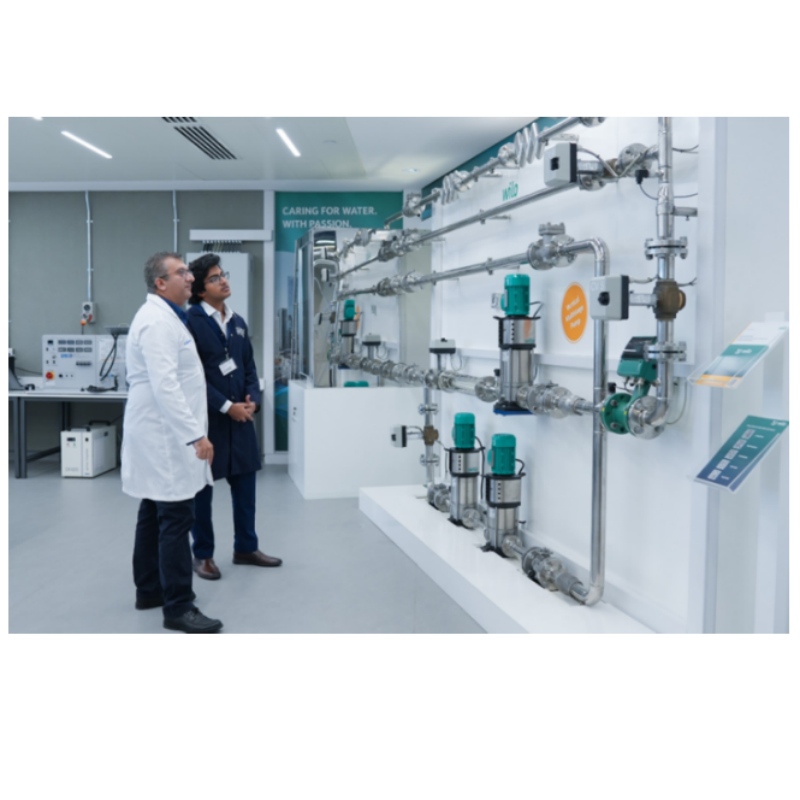
Wilo Global ▏ Wilo Group launches the global WATER AI Academy, effectively bridging water resources and AI expertise On January 30,2026, in Dortmund, Germany, the Wilo Group officially announced the establishment of the Global WATER AI Academy at its headquarters, Wilopark. Through this initiative, the water technology group will connect global science and industry, promote applied science and innovation, and foster collaboration in the fields of water and artificial intelligence across industries and national borders. The first partnership of the newly established institution targets students and experts: in collaboration with the internationally renowned Heriot-Watt University, Wilo Global WATER AI Academy is developing an educational program that will receive accreditation from the international higher education system. The establishment of Wilo Group's global WATER AI Academy has consistently aligned with our sustainable development strategy. ——Oliver Hermes President and CEO of Wilo Group Wilo is enhancing the quality of life for people worldwide by systematically integrating water technology with artificial intelligence. This methodology is embodied in guiding WATER AI principles, representing Wilo's response to the AI era. We emphasize three Es: Enable (empowerment), Embed (integration), and Embrace (AI adoption). By embedding AI into our products and solutions, Wilo has created lasting positive market impact. This approach also unlocks the entire AI value chain. Naturally, Wilo actively embraces AI in its daily operations. Wilo's sustainable development and AI-integrated solutions drive smart water conservation in cities. Moreover, access to clean water will be better managed and enhanced through intelligent systems. Food security is also improving, exemplified by digital solutions for agricultural irrigation. Healthcare will also benefit from WATER AI. The digital and AI era fundamentally relies on smart water technologies, and Wilo's strategic principles align with WATER AI's vision: Only by organically integrating water and AI can we achieve a sustainable future. ——Oliver Hermes President and CEO of Wilo Group Heriot-Watt University (HWU), a public institution headquartered in Edinburgh, Scotland, operates international campuses in Dubai and Malaysia. It was the first foreign university to establish a campus in Dubai over two decades ago. HWU Dubai has maintained a successful partnership with Wilo Group for several years, and their first jointly designed online course is currently under joint development. "We are delighted to establish this partnership with the Wilo Group. Water and artificial intelligence are two pillars of global progress, both representing internationally recognized expertise at Heriot-Watt University. Our online learning modules set new benchmarks for digital education. Each course module is meticulously designed to combine academic rigor with intuitive, user-friendly experiences, ensuring learners benefit from meaningful and impactful content in an engaging way," commented Professor Lynne Jack, Vice-Chancellor of Heriot-Watt University Dubai. Through the groundbreaking WATER AI Academy, we champion AI and partnerships with a human-centric approach. Wilo is integrating the planet's most vital resources with this transformative technology. ——Oliver Hermes President and CEO of Wilo Group With its exceptional teaching content and services, the college aims to attract a diverse range of students, trainees, career beginners, and seasoned professionals from both within and beyond Wilo. Although currently managed by Wilo Group's Dortmund headquarters, the college is clearly striving to build a globally connected community of knowledge and innovation. The expanding partner network will undoubtedly benefit all stakeholders.
Read More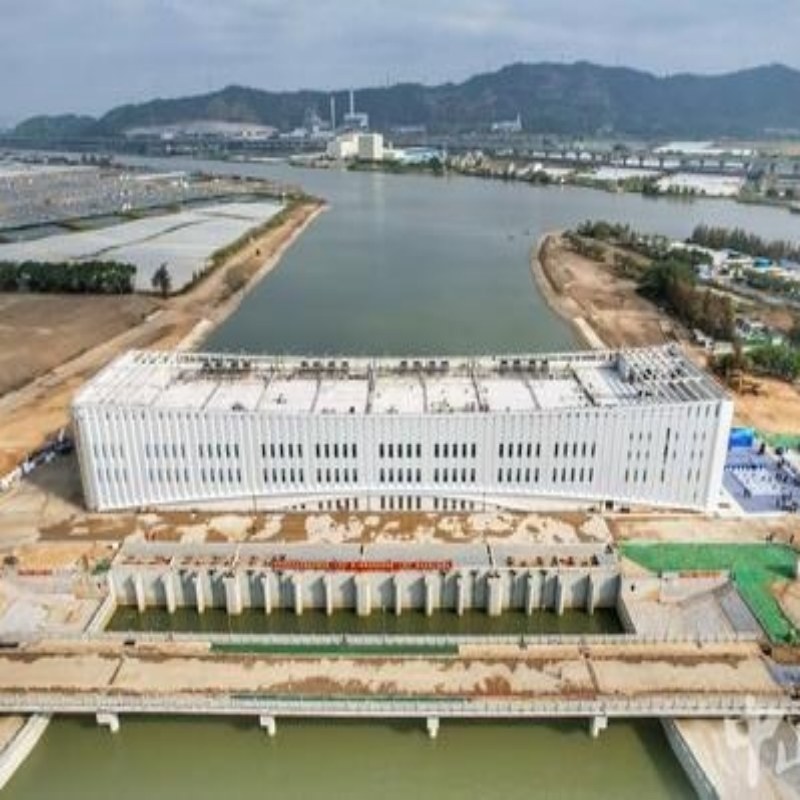
Asia's largest single pump station officially opened On January 20, the launch ceremony of the first batch of key projects for the "15th Five-Year Plan" of Beautiful and Happy Rivers and Lakes in Zhongshan City and the water supply ceremony for key water conservancy projects during the "14th Five-Year Plan" were held at the Xihé Water Conservancy Hub Project site in Banfu Town. On that day, 11 key projects for Beautiful and Happy Rivers and Lakes, with a total investment of nearly 20 billion yuan, were officially launched. The Xihé Pump Station, designed with a drainage flow rate of 400 cubic meters per second and the largest single-unit flow rate in Asia, was officially put into operation. Guo Wenhai, Secretary of the Zhongshan Municipal Party Committee, announced the launch of the key projects for Beautiful and Happy Rivers and Lakes and the water supply of water conservancy projects. Guo Tianguo, Deputy Editor-in-Chief of China Water Conservancy News, attended the event, and Chen Renzhu, Deputy Director of the Provincial Water Resources Department, delivered a speech. It is reported that the Xihe Pumping Station is currently the largest single-unit pumping station in Asia. Zhongshan now boasts two such stations—the Xihe and Donghe Pumping Stations—both ranking among the top five in Asia in terms of single-unit capacity. To address urban flooding in southern towns and districts, Zhongshan is actively constructing the Dayongkou Pumping Station, which will also achieve the fifth-largest single-unit capacity in Asia. The upgrading of these critical water conservancy projects reflects a city's comprehensive efforts to enhance water security resilience. On the same day, the first batch of key projects under Zhongshan City's "15th Five-Year Plan" for Beautiful and Happy Rivers and Lakes was fully launched, with 11 major projects and a total investment of nearly 20 billion yuan commencing construction. From this point of view, Zhongshan has shifted from the traditional flood control and drainage to the construction of a modern water network system integrating safety, resilience, ecology and economy. With a total investment of approximately 760 million yuan, the Xihe Pump Station, classified as a Class I large-scale (Type 1) project, demonstrates its robust capabilities through its massive scale. It features eight giant vertical shaft cross-flow pump units, with a designed drainage flow rate of 400 cubic meters per second and an emergency reverse water supply flow rate of 145 cubic meters per second, achieving a total installed capacity of 18,400 kW. This means that under extreme weather conditions and when external rivers flood, it forcefully discharges the internal floodwaters with tremendous force to counteract the tidal uplift at the Pearl River Estuary. Its flood (tide) prevention standard is designed for a 200-year return period, ensuring urban safety. The Xihé Pumping Station is located on the western embankment of Zhongshun Dawei, serving as a protective barrier for the Qijiang River internally and facing the Modaomen waterway externally, effectively addressing a critical weakness in this "life-saving defense line." Zhongshun Dawei, one of the ten major embankments in Guangdong Province, spans across Zhongshan and Shunde, safeguarding the security of 659 square kilometers of land and millions of residents. The completion of the Xihe Pumping Station now forms the Xihe Water Conservancy Hub, Zhongshan's largest water management complex, alongside the existing Xihe Water Gate and Ship Lock. This project significantly enhances the flood control and disaster mitigation system in Zhongshun Dawei, dramatically improving drainage efficiency, flood prevention, and agricultural water supply security. It effectively alleviates urban flooding pressure, strengthens drainage capacity across the Qijiang River Basin, and ensures water safety for both industrial and agricultural operations within the protected area.
Read More
Global Pump Industry Technology Development in 2025 In 2025, the pump industry is transitioning from isolated technological breakthroughs to comprehensive system integration. In 2025, the global pump industry is entering a pivotal phase of technological integration and market restructuring, driven by the dual objectives of carbon peaking and carbon neutrality, alongside the accelerated advancement of Industry 4.0. According to the annual report of the International Fluid Machinery Association, the global centrifugal pump market has reached $65 billion, with a year-on-year growth of 7.2%. Among them, the China market contributed 25% of the share, and the high-end market share increased by 6 percentage points. 1. Macro Drivers of Technological Innovation The pump industry's technological innovation in 2025 is being strongly propelled by multiple macro factors. The ongoing progress of the' dual carbon 'goals and the deep integration with Industry 4.0 jointly form the core driving force for the sector's development. Policy frameworks are driving transformative changes: The EU has implemented the MEI amendment under Regulation 547/2012, while the U.S. Department of Energy maintains stringent energy efficiency thresholds for industrial pumps. These mandatory standards are reshaping the competitive landscape of the global pump industry. In terms of technological advancement, the convergence of artificial intelligence (AI), the Internet of Things (IoT), and materials science is continuously expanding the intelligent boundaries of pump equipment. AI-driven systems can provide early warnings for potential failure risks such as impeller wear and shaft seal leakage, significantly reducing equipment failure rates. The global pump market demonstrated robust performance, with the Asia-Pacific region standing out notably. The regional market size reached $17.7 billion in 2024 and is projected to grow from $18.6 billion in 2025 to $30 billion by 2034, at a compound annual growth rate (CAGR) of approximately 5.4%. 2. Advances and Breakthroughs in Core Technologies In 2025, the pump industry is transitioning from isolated technological breakthroughs to comprehensive system integration, with four core technologies now achieving large-scale implementation. In the application of new materials, the large-scale adoption rate of silicon carbide (SiC)-reinforced impellers and corrosion-resistant alloy pump shafts has reached 68%. Silicon carbide (SiC) impellers demonstrate significant advantages in harsh industrial environments due to their excellent comprehensive performance, specifically manifested in: 1) Exceptional corrosion resistance: Capable of withstanding strong acids, strong alkalis, and oxidizing media, with performance far surpassing traditional metal materials like stainless steel. 2) Exceptional wear resistance: With a hardness comparable to diamond (Mohs hardness 9.5), it is ideal for high-wear applications like pulp conveyance, offering a service life 5-10 times longer than metal impellers. 3) Exceptional high-temperature stability: Maintains mechanical properties below 1600°C, making it suitable for high-temperature fluid transportation. 4) Lightweight design: With a density of approximately 3.1 g/cm³, it is lighter than metal, reducing the inertia of rotating components and enhancing system energy efficiency. 5) Low thermal expansion coefficient: Excellent thermal shock resistance, suitable for environments with rapid temperature changes. 6) Structural innovation enhances reliability: Novel designs such as modular splicing and internal cavities improve the impact resistance and manufacturing yield of large impellers; certain patented technologies employ metal inserts to strengthen connection integrity, effectively mitigating the risk of ceramic-metal interface failure. In the field of wear-resistant materials, the WC20Cr3C27Ni coating fabricated using HVOF and APS processes can enhance the substrate's slurry erosion resistance by 3.5 times. Digitalization and intelligentization have emerged as key innovation drivers. The adoption rate of AI-powered O&M systems has increased by 40% year-on-year, with leading brands now widely implementing features like fault prediction and energy efficiency monitoring. Modular and customized design has become crucial for addressing complex demands. For instance, Swiss company Wandfluh leverages an AI-assisted design platform to reduce the shortest delivery time for customized services to just 4 days. Breakthroughs continue to be made in extreme condition adaptation technologies, with representative products now achieving stable operation across a wide temperature range from-60°C to 500°C. 3. Technical Path and Application Analysis Table: Key Technological Pathways in Pump Industry for 2025 and Their Applications and Commercial Impacts Technical Path Core Technological Breakthroughs Typical Application Scenarios Commercial Value & Market Impact High-efficiency Energy-saving Technology Carbonization Rotor Municipal Sewage Treatment, Seawater Desalination Significantly reduces maintenance and energy costs Intelligent Operation & Maintenance HT-AI Platform (predictive maintenance accuracy: 99%), Digital Twin Technology Large-scale Power Plants, Nuclear Power Plant Cooling Systems Greatly reduces planned downtime losses Extreme Customization Wide-temperature Adaptability Technology (covers -60°C to 500°C) Deep-sea Oil & Gas Drilling, Natural Gas Transportation High-end customized orders grow rapidly; customer satisfaction rises Corrosion & Wear Resistance Technology PTFE Multilayer Composite Coating (corrosion resistance increased by 50%), Superhard WC Coating Chemical Process Treatment, Mine & Metallurgy Transportation Significantly improves market share in harsh working environments Energy-efficient technologies: By utilizing advanced materials and innovative designs, industry products now achieve 18% higher average operational efficiency and 28% lower energy consumption per unit compared to 2024 levels. A prime example is the high-efficiency wear-resistant horizontal double-suction multi-stage centrifugal pump developed by Shanghai Liancheng Group, which has been included in the "2025 Key Promotion and Guidance Catalog for Advanced and Practical Water Conservancy Technologies". This breakthrough effectively meets the stringent requirements of large-scale water conservancy projects for both high efficiency and reliability. Intelligent O&M Technology: Its core value lies in enabling predictive maintenance and remote monitoring. Solution providers like Skoda are dedicated to offering comprehensive smart equipment monitoring and predictive maintenance services for industrial enterprises, specifically manifested in: 1) Fault prediction: On average, it can forecast equipment failures 14 days in advance, providing ample preparation time for maintenance. 2) Reliable operation: The fault detection accuracy reaches 99.7%, effectively reducing false alarm and missed detection rates. 3) Cost reduction and efficiency improvement: Reduces average unplanned downtime by 35% and maintenance costs by 43% for clients. 4) Predictive maintenance: By leveraging real-time monitoring and AI analytics, it proactively detects equipment failures to minimize downtime. 5) Intelligent Diagnosis: Rapid fault detection and localization significantly improve maintenance efficiency. Customized extreme-condition technology demonstrates unique value in specialized applications. For instance, the micro ultra-pure centrifugal pump developed by German company Knoll features a compact design with a mere 0.8-liter volume and 1.2kg weight, delivering flow accuracy of ±0.5%. Specifically engineered for ultra-pure medium transportation in 18-inch wafer manufacturing, this innovation signifies a technological leap from conventional manufacturing to precision instrumentation standards. Corrosion and Wear Resistance Technology: Continuous innovation to meet the demands of special medium processing. In 2025, Germany's ProMinent introduced a new-generation hydraulic diaphragm metering pump featuring a patented PTFE multi-layer composite diaphragm, which offers 40% enhanced corrosion resistance compared to the previous generation and is compatible with highly corrosive media ranging from pH 0 to 14. In the slurry treatment sector, researchers have significantly improved the service life of materials in solid particle-containing media through thermal spraying technology. 4. Industry Applications and Market Reactions In 2025, diverse application fields will drive differentiated demands for pump technologies, fostering diversified technological development. In the water and wastewater treatment sector, the growth in global water treatment expenditures has emerged as a key driver, with municipal and industrial water operators accounting for 28.2% of the total revenue in the industrial pump market. The U.S. Environmental Protection Agency (EPA) estimates that long-term remediation needs in this field exceed $744 billion, further accelerating the multi-phase upgrade process. The petrochemical and chemical industries impose exceptionally stringent requirements on pump technology. In large-scale cracking units, single-stage cantilever pumps are typically employed for lighter hydrocarbon media, while multi-stage radial split pumps are utilized for high-head reformate recycle operations. ProMent, a German manufacturer, has delivered 800 corrosion-resistant pumps to global chemical giants including BASF and Bayer, and has secured 12,000 new clients in high-corrosion environments. The rapid development of the new energy industry has spurred demand for advanced pump technologies. Emerging sectors such as lithium batteries and nuclear power have seen annual demand growth exceeding 20%, serving as the core growth drivers for the industry. The hydrogen energy sector has created a new frontier for pump technology. Green hydrogen projects require multi-stage booster pumps made of AISI 316 stainless steel and certified with ATEX regional safety. The pump industry is now facing a critical transition from traditional fluid transportation to advanced energy medium processing. 5. Regional Development Patterns and Differentiated Competition In 2025, the global pump market will feature a diversified regional competition landscape, with each major region developing distinct strategies based on its unique strengths. The Asia-Pacific region, especially the China market, has become the core engine of growth for the global pump industry. The scale of China's centrifugal pump market has maintained a growth rate of over 8% for seven consecutive years and is expected to exceed 15 billion yuan by 2025. Chinese pump manufacturers are achieving a strategic transformation from "technological follower" to "comprehensive leader," with the market share of domestic products rising sharply from 60% a decade ago to 92%, and the self-reliance rate of core technologies exceeding 96%. European enterprises continue to maintain global leadership in precision manufacturing and high-end customization. For instance, Germany's Kono holds a 65% market share in the semiconductor-specific pump sector. European industrial clusters contribute approximately 32% of global pump market revenue, dominating the high-end precision segment. The North American market primarily targets industrial high-volume applications. Confronted with competitive pressures from low-cost manufacturing regions, North American suppliers are actively strengthening their market position through technological innovation and digital transformation. 6. Future Trends and Challenges in Technology Looking ahead to 2026 and beyond, the global pump industry is expected to evolve along three key directions while facing a range of challenges. The trend of technological convergence is intensifying. Future pump technologies will demonstrate deeper integration of electromechanical-hydraulic systems and cross-domain fusion. The combination of artificial intelligence, IoT technologies, and fluid dynamics will give rise to smarter, adaptive pump systems. Taking the hydraulic pump sector as an example, the development of electro-hydraulic units is steering toward more integrated and comprehensive electrification solutions. Sustainable development demands upgrades. Driven by increasingly stringent environmental regulations, pump remanufacturing and material recycling will become key industry trends. The EU's Circular Economy Directive is boosting revenue growth in related remanufacturing businesses and increasing market demand for pump products that comply with EN ISO 14971 standards and possess eco-design characteristics. Emerging application fields are continuously expanding. Emerging sectors such as hydrogen energy infrastructure, carbon capture, utilization and storage (CCUS), and advanced energy storage systems are providing a new stage for pump technology. For instance, the Star Pump Alliance has demonstrated a sealed high-pressure pump solution specifically designed for hydrogen production, where this early-stage niche market imposes extremely high requirements on material corrosion resistance and zero-leakage performance. The challenges facing the industry are becoming increasingly prominent. The sector is simultaneously confronted with multiple challenges, including fluctuations in raw material prices, restructuring of global supply chains, fragmentation of technical standards, and cybersecurity risks. Particularly with the widespread adoption of intelligent pump systems, cybersecurity has emerged as a severe issue that cannot be overlooked.
Read More
Nanfang Pump Industry-China Energy-saving Pump King Deep within the urban fabric and rural development networks, a quiet revolution in water resource management is unfolding. Traditional infrastructure's cumbersome inefficiency is being progressively replaced by intelligent, integrated prefabricated pumping stations. These structures are far from mere cold concrete buildings—they function as "urban organs" imbued with vitality, ready to operate upon arrival at project sites, providing continuous energy for the city's "circulatory system." In this issue, we highlight exemplary cases from diverse regions that confront multifaceted challenges, revealing how these 'underground guardians' —with their profound wisdom and steadfast resolve—are redefining humanity's relationship with water. Case 1: Building the "Intelligent Hub" of Water City in Eastern Hubei Huanggang Integrated Prefabricated Pump Station Case The project's core focus lies in "precision" and "reliability". Confronting complex geological conditions and a tight construction window, the team successfully overcame challenges in maintaining stable operation of the pumping station under high-head and high-flow conditions, achieving seamless integration with the aging pipeline network with zero leakage. The built-in intelligent control system functions as an "autonomous decision-making hub", providing remote monitoring, smart start-stop control, and fault alerts to strengthen drainage safety during extreme weather. This project marks a critical leap from "spot treatment" to "system-wide governance". It not only effectively safeguards urban lifelines but also significantly enhances Huanggang's disaster resilience as a key city in eastern Hubei. The smart water management practice featuring "distributed layout and comprehensive coordination" offers a "Huanggang Solution" with both practical applicability and reference value for modernizing drainage systems in similar urban clusters. Case 2: The Hometown of Xi Shi Adds "Smart Water Manager" Zhuji Integrated Prefabricated Pump Station Case The project's core challenge centers on "precision integration." It requires not only millimeter-level installation of the pumping station on soft soil to ensure seamless integration with complex existing pipelines, but also harnesses intelligent sensing and control systems to transform the station into an experienced "water management expert." By autonomously optimizing operational strategies based on real-time water data, it ensures drainage efficiency while achieving precise balance between energy consumption and environmental impact, enabling eco-friendly operation. The completion of this pumping station vividly demonstrates the "Lucid waters and lush mountains are invaluable assets" concept in municipal engineering. Its successful application provides a replicable and scalable "Zhujie model" for drainage system construction in densely water-networked and ecologically sensitive regions of nanfang China. Case 3: Resilience Cornerstone in the Ice City's Pulse Case of Shenyang Integrated Prefabricated Pump Station The project's core breakthrough centers on "intelligent cold-resistant control," overcoming technical barriers to ensure stable equipment operation in extreme cold environments. Through innovative applications of specialized composite materials and customized electric heating systems, it guarantees continuous high-power output from pumping stations during harsh winter conditions. The integrated intelligent control system functions like an "autonomic nervous system," dynamically adjusting operational status in real-time to respond to environmental changes. This enables proactive ice formation risk warnings and adaptive protection, thereby establishing a robust safety barrier for drainage systems in cold regions. The completion of this pumping station marks a paradigm shift in municipal infrastructure development in northern cold regions. It not only serves as a vivid demonstration of 'new quality productivity' in the municipal sector, but also highlights the enhanced disaster resilience and modern governance capabilities of Shenyang. Case 4: Modern Protection of Ancient Capital Water Vein Case of Xi'an Integrated Prefabricated Pump Station The project's core challenge centers on achieving "harmony between past and present." During construction, micro-disruption techniques were employed to precisely install the pumping station while fully preserving the surrounding historical strata. The intelligent control system integrates big data analytics to develop predictive dispatch capabilities, ensuring rapid response to sudden heavy rainfall while achieving seamless coordination with the city's existing drainage network for comprehensive, efficient urban management. The establishment of this pumping station represents not only an iterative upgrade of urban infrastructure, but also a profound tribute to historical heritage by modern urban civilization. The project successfully achieves a dual focus on 'preservation' and 'enhancement,' allowing the ancient waterways of this millennium-old capital to continue nourishing urban development and perpetuating the roots of civilization for contemporary times. Case 5: Green Empowerment of Industrial City Zibo Integrated Prefabricated Pumping Station Case The project's core highlights demonstrate a "balance of rigidity and flexibility." The integrated intelligent monitoring platform achieves data linkage with the regional environmental protection system, transforming the pumping station into a "frontline sentinel" for urban water environment management. While reinforcing the safety barrier of drainage systems, it provides precise data empowerment for environmental supervision. The construction of this project has transcended the single-function scope of traditional municipal engineering, serving as a vivid testament to Zibo's green transformation as an industrial city. It not only significantly enhances the city's flood control and drainage capabilities but also promotes continuous improvement in regional water environment quality through end-to-end intelligent management. From the nanfang water towns to the northern frigid regions, from historic cities to industrial hubs, these integrated prefabricated pumping stations—deeply embedded in diverse urban landscapes—demonstrate through their exceptional adaptability and foresight that true infrastructure wisdom lies not in grand engineering feats, but in precise alignment with regional characteristics and profound integration of human-centric warmth. More than mere technological carriers, they silently embody urban ideals—operating with resilient and intelligent rhythms in underground spaces to safeguard every city's tranquility, cleanliness, and vitality. In the future, this product will take root in more soils, enabling deeper harmonious coexistence between cities and nature through the cyclical flow of water.
Read More
LEO Wins the Bid for 25 Sets of Double-suction Pumps for the Largest Water Conservancy Project in Guangdong Recently, LEO Pump Industry has made a major breakthrough in the national water network backbone project by winning the bid for the procurement of main pumps and auxiliary equipment for all four pumping stations of the Zhanjiang branch line of the 'Guangdong Water Resources Allocation Project in the Beibu Gulf Region'. The company will supply a total of 25 sets of GS high-efficiency single-stage double-suction centrifugal pumps to the project, with a bid amount exceeding 50 million yuan. This project is one of the most important water conservancy projects in Guangdong province with the largest investment scale, the most complicated construction conditions and the most important strategic position. Zhanjiang, Guangdong province, located in Leizhou Peninsula, has long been plagued by drought in history. In order to fundamentally solve the problem of drought in Leizhou Peninsula and promote the sustainable development of the region, the "Guangdong Water Resources Allocation Project around the Beibu Gulf" was born. This project is a national water network backbone project and one of the 150 major water conservancy projects in China. It has a designed water diversion flow of 110m³/s, an annual water supply of 2.079 billion m³, a total investment of over 61.456 billion yuan, and a total construction period of 96 months. The project plans to draw water from the main stream of the Xijiang River and deliver clean water to the four cities of Yunfu, Maoming, Yangjiang, and Zhanjiang through a 490-kilometer water transmission line, benefiting over 18 million people along the route. It will optimize the long-term matching of water resources and economic layout in western Guangdong, and completely solve the drought problem that has plagued the Leizhou Peninsula for a thousand years. The Zhanjiang branch line, awarded to LEO, is the southern critical section of the entire project, spanning 168.85 kilometers. It features four pumping stations—Lianjiang, Mazhang, Songzhu, and Longmen—forming a robust power hub for the water transmission system. Hehe section - Lianjiang Pump Station The single machine power is 3150kW, the total installed capacity is 18900kW (4 for 2 backup), the designed head is 39.5m, and the total designed flow rate is 24m3 /s. Mazhang section- Mazhang Pump Station The single machine power is 1800kW, the total installed capacity is 10800kW (4 for 2 backup), the designed head is 18.5m, and the total designed flow rate is 20m3 /s. Leu Xiu segment- Matsuzuki Pump Station The single machine power is 3150kW, the total installed capacity is 22050kW (5 for 2 backup), the designed head is 78.03m, and the total designed flow rate is 13m3 /s. Leu Xiu segment -Longmen Pump Station The single machine power is 3150kW, the total installed capacity is 18900kW (4 for 2 backup), the designed head is 78.03m, and the total designed flow rate is 10m3 /s. As one of China's top 500 private manufacturing enterprises, LEO has stood out in this fierce competition thanks to its core advantages in handling complex working conditions and ensuring long-term stable operation: To address the challenges posed by evolving water transmission scales and extreme head variations in pump stations across short, medium, and long-term periods, LEO Pumps ensures the system operates with sustained efficiency and stability. Its superior hydraulic performance—characterized by high efficiency and minimal pulsation—fulfills the engineering's stringent requirements for energy conservation and reliability. Furthermore, rigorous quality control and precision process management throughout the entire lifecycle—from design and manufacturing to testing—provide robust assurance for the project's overall quality. To fully implement the 16-character guideline for the Guangdong North Ring Project— 'self-reliance, precision installation, closed-loop operation, and smart scheduling' —LIO has concentrated its R&D and production resources on developing 25 pumps for the Zhanjiang Branch Line. Building upon the GS series of high-efficiency single-stage double-suction centrifugal pumps, the company has conducted multiple rounds of R&D to create a pump model specifically tailored for this project. This product series features broad spectrum coverage, high hydraulic efficiency, excellent cavitation performance, low maintenance costs, and large-scale customization support. Its pump models have demonstrated outstanding performance in national comparative tests, effectively addressing technical challenges such as near-to-long-term scale coordination and variable frequency wide-range operation. With high-performance metrics, it supports engineering projects to achieve high-level equipment autonomy and controllability. To tackle the project's challenges of tight deadlines, heavy workload, and high standards, LEO has assembled a professional technical support team. By coordinating production resources, the team ensures timely and high-quality task completion while actively advancing equipment lifecycle management. This comprehensive approach provides reliable support for the project's early full-line water supply. Standing at the forefront of challenges, Liou has now reached its 30th milestone. This bid victory signifies far more than just a contract for the company—it represents the culmination of 30 years of smart manufacturing expertise in pumps and systems, earning recognition from China's highest-level water conservancy authorities. This achievement empowers Liou to compete on equal footing with top-tier state-owned enterprises in the hydropower equipment sector and shoulder significant responsibilities. As the knowledge flow progresses, Leo will ensure the flawless delivery of 25 pumps and systems in subsequent project phases. Upholding the 'Dongshen Spirit,' the company will further enrich the 'Fourfold Significance' of the North Guangdong Loop Project—satisfying millennia-old water needs, consolidating water resources, strengthening ecological foundations, and revitalizing regional development—thereby establishing a solid foundation for the safe and reliable operation of this national strategic initiative. Harmonious coexistence. Upon completion of the future project, LEO will channel the surging waters of the Xijiang River across mountains and rivers, continuously nourishing the Leizhou Peninsula and rewriting the history of this land's' water scarcity' by providing a sustainable water supply. This initiative will boost the overall improvement of water quality for urban and rural life, production, and ecology, uniting with the local community to embrace a future of intelligent and flowing prosperity.
Read More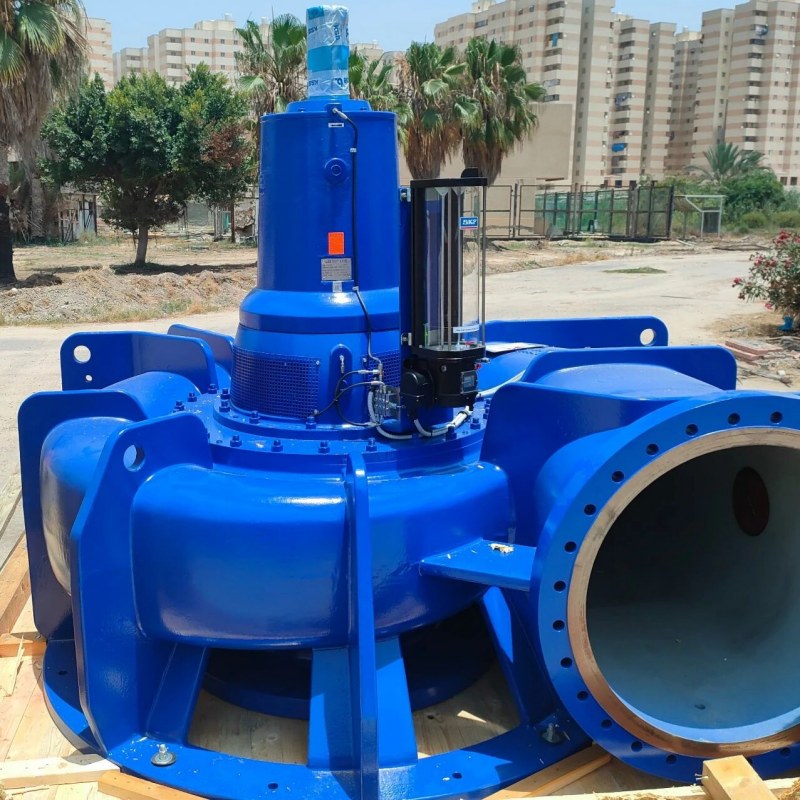
KSB Pump Benchmarking Case KSB Assists in Strategic Upgrading and Renovation of the Alexandria Sewage Pump Station in Egypt To ensure the long-term functionality of existing infrastructure, Egypt's Alexandria Western Sewage Treatment Plant underwent a comprehensive upgrade. Pump manufacturer KSB supplied and installed two high-efficiency Sewatec SPN pumps with high power output. The challenge lies in integrating the new pumps into the existing infrastructure, considering both the structural conditions at the site and the massive weight of the pump units. Since each pump weighs approximately 10 tons, conventional installation methods are impractical. Consequently, the pump units at the Alexandria plant were disassembled into volute and rear puller components, which were installed separately and then reassembled. This pump delivers exceptional energy efficiency and reliability. With a maximum flow rate of 9,000 l/s and a head of approximately 100 meters, it operates at two speed settings powered by a dedicated motor. The adjustable speed configuration optimizes performance according to fluctuating hydraulic conditions. Manufactured at KSB's plant in Harle (Sarre) Germany, the two pumps were delivered within nine months. The city of Alexandria, home to over 5 million residents, is served by Alexandria Sanitation and Drainage Company (ASDC) for its sewage treatment. The Alexandria West Wastewater Treatment Plant has a daily processing capacity of 462,000m³. With the commissioning of new pumps, the plant's inflow capacity has been significantly enhanced. The dual-pump design with shared pipeline channels ensures high operational reliability during wastewater treatment. Use product Sewatec SPN 900-1100 / G1 – VGW pumps 2 Technical parameter Technical specifications of Sewatec SPN pump: Maximum diameter: DN 1600 Maximum flow: 9000 l/s Maximum head: 100 m Maximum allowable temperature: 55°C
Read More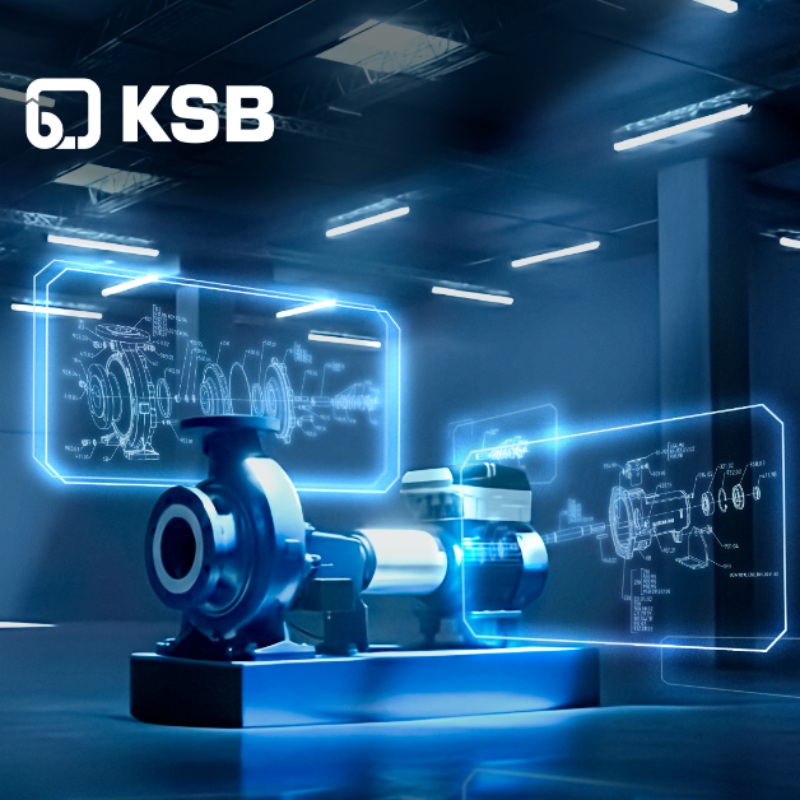
90 years of craftsmanship Inheritance -- KSB Etanorm Pumps Set the Industry Benchmark 1935-2025,90 years of outstanding journey Nine decades ago, an innovation rewrote the history of pump technology; Nine decades later, Etanorm has become the global benchmark for industrial pumps. A timeless engineering model Etanorm's success stems from its unwavering commitment to core values: Reliability | Stable performance that has stood the test of generations Efficiency | Continuously optimized energy performance Flexibility | The ability to adapt to diverse application scenarios With KSB's profound engineering expertise, Etanorm is more than just a pump—it stands as the industry's benchmark for performance and a trusted choice. From yesterday to tomorrow Through 90 years of evolution, technology has evolved and applications have expanded, yet Etanorm has remained steadfast: creating value for global users through precision engineering and earning lasting trust through reliable quality. For the next 90 years, we will continue to move forward side by side.
Read More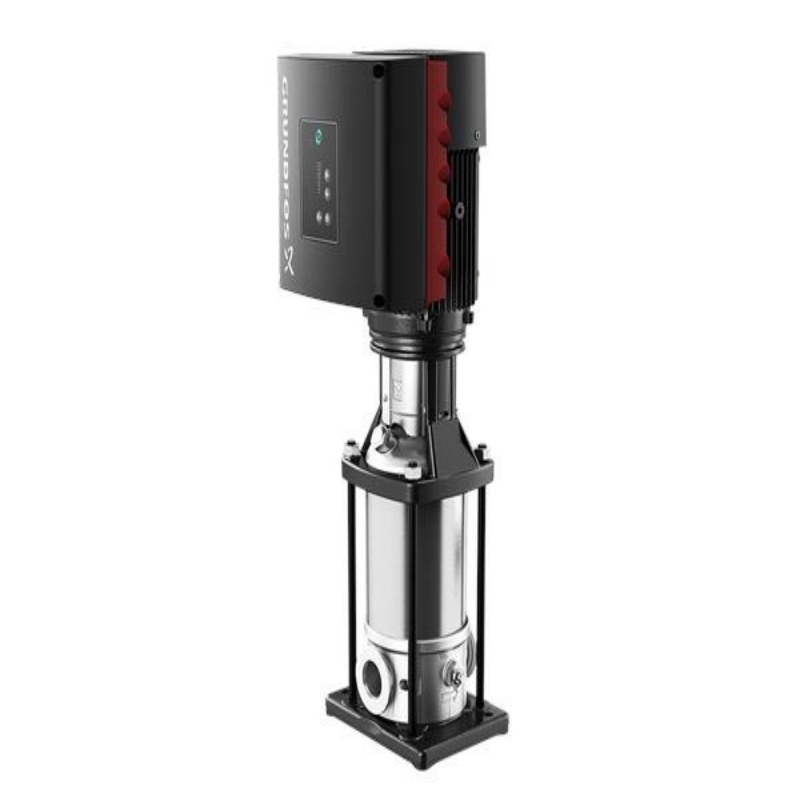
Grundfos Industrial has launched two new products Rooted in China • Heavy Innovation On the occasion of Grundfos' 30th anniversary in China, the wave of innovation has once again surged. At the 8th China International Import Expo (CIIE), Grundfos Industrial unveiled two groundbreaking new products globally: the GiS Water Intelligence-a smart refrigeration solution, and the CREC integrated permanent magnet variable frequency vertical multi-stage centrifugal pump. Combining hardware upgrades with software innovations, these products fully demonstrate Grundfos 'profound understanding of the China market and its localized customization capabilities, highlighting the company's innovative strength in the fields of intelligence and green low-carbon transformation. The two new products will be launched at the Global New Product Fair of CCTV News on November 6, 2025. GiS Yu Shui Zhi: Smart Cooling Solutions AI-powered, energy-efficient and efficient Grundfos Industries has officially launched the upgraded Yu Shui Zhi smart refrigeration solution, delivering system-level energy efficiency and intelligent upgrades for customers. Leveraging AI algorithms, the system achieves precise analysis, regulation, and energy optimization for refrigeration units, reducing energy consumption by up to 20%. Through cloud-edge collaboration, it ensures secure data sharing and efficient utilization, truly transforming hardware into a "digital partner". Install AI brain for cooling system By embedding AI-powered algorithms into factory refrigeration systems, real-time data collection and analysis of equipment operations enable predictive monitoring of system status and potential failures. The system automatically adjusts operational parameters to achieve optimal energy efficiency. Through a visual management platform, maintenance personnel can clearly track system dynamics, promptly identify and resolve risks. With AI-driven intelligent regulation, system stability and efficiency are significantly enhanced, achieving up to 20% energy consumption optimization. End-to-end closed-loop process: YuShui Smart Management delivers ultimate solutions By integrating hardware data with AI algorithms, the system creates a closed-loop control mechanism that covers device status monitoring, fault diagnosis, energy optimization, strategy deployment, and performance feedback. This transforms fragmented data into quantifiable, traceable operational outcomes, dramatically improving system efficiency and reliability. The solution significantly reduces manual intervention and management costs, enabling enterprises to achieve both workforce savings and operational efficiency through intelligent maintenance. CREC Integrated Permanent Magnet Variable Frequency Vertical Multi-stage Centrifugal Pump Local innovation, green and efficient CREC Integrated Permanent Magnet Variable Frequency Vertical multi-stage centrifugal pump Developed by Grundfos China R&D team Tailored for local needs One-piece permanent magnet frequency conversion design Deeply optimized for different application requirements Ensure the equipment is in a harsh environment It still runs steadily and efficiently By intelligently adjusting and optimizing operational strategies, CREC not only reduces energy consumption and operating costs, but also helps customers move toward green, low-carbon factories and promotes sustainable development in the industrial sector. Local R&D, deep customization CREC was fully designed by Grundfos 'China local R&D team, which deeply understands the actual needs and application scenarios of China's industrial users. It has been specially optimized for common complex working conditions in the China market, such as high temperature, high humidity, and salt spray. Through localized R&D and deep customization, CREC not only enhances the adaptability and reliability of the products but also brings China customers more practical and competitive green pumping solutions. Energy efficiency leads, energy saving upgrade The CREC features a permanent magnet synchronous motor with IE5 energy efficiency rating, meeting IEC 60034-30-2 and GB30253-2024 national standard Level 1 efficiency requirements, delivering industry-leading performance. With a power range of 1.1-22kW and a rated speed of 3600rpm, the system combines advanced variable frequency control technology and pump control algorithms to maintain high efficiency across various load conditions, significantly reducing energy consumption and helping enterprises achieve energy conservation and emission reduction targets. The two new products launched globally by Grundfos Industrial fully demonstrate Grundfos' deep insight into the market demand in China, as well as its strong localized R&D and customization capabilities. By providing customers with customized solutions, Grundfos is committed to improving the operational efficiency and intelligence level of factories, helping enterprises to build green and sustainable future factories.
Read More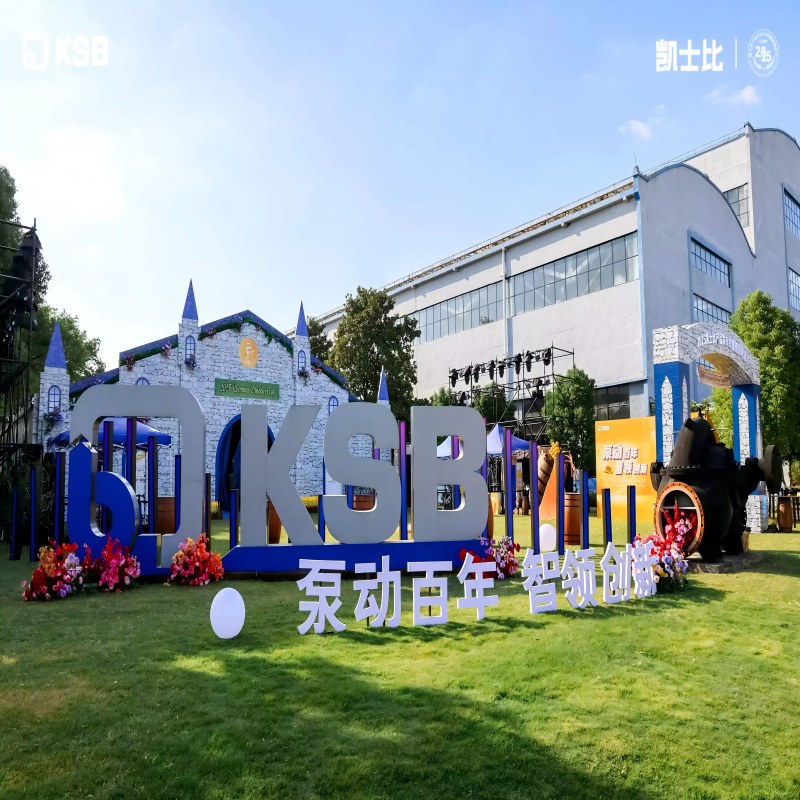
On October 24th, Shanghai's Minhang District was bathed in autumn hues, its branches laden with ripe fruits. As night fell, the Kaisi Bi Shanghai factory in Minhang Economic and Technological Development Zone lit up with dazzling lights. The event featured exotic castle decorations, melodious German music, and the aroma of beer wafting through the air. The annual Kaisi Bi product launch and German Beer Festival arrived as scheduled. This is not only a traditional event that has lasted for more than a decade, but also an important moment for KSB to convey firm confidence to the China market and demonstrate its technical strength. The annual gala was attended by distinguished guests and partners, including Mr.Zhu Xuejun, Chairman of the Minhang District CPPCC; Mr.Zhang Jianxin, Director of Jiangchuan Subdistrict; Mr.Ralf Kannefass, Executive Director and Chief Sales Officer of KSB Group; Ms.Ayasse Sonja, Corporate Communications Lead of KSB Group; and Mr.He Jun, Executive President of KSB North Asia, who all witnessed this year's grand event. Hardcore product launch: another breakthrough in German quality AmaCan D Series: Making Safety Visible One of the flagship products at this launch event is our next-generation shaft-type submersible pump, the AmaCan D Series. Its standout feature is the intelligent safety monitoring system, which uses an innovative integrated sensor unit to continuously monitor and evaluate critical parameters such as leaks, bearing temperature, motor temperature, and vibration. This system provides real-time operational status visibility, effectively eliminating potential risks at their source. In industrial applications, equipment reliability often determines the safety of the entire system. The AmaCan D series is our latest interpretation of the concept of 'preventive maintenance'. AmaCan P Series: The All-Rounder for Diverse Applications The new-generation AmaCan P series submersible axial flow pumps demonstrate exceptional adaptability. They effortlessly handle municipal sewage, industrial wastewater, rainwater drainage, and irrigation systems. Notably, their corrosion-resistant and wear-resistant materials enable applications in demanding environments such as sewage treatment, flood control, and even marine aquaculture systems. The launch of these two products once again proves to the market the commitment and confidence of Keshi's German quality. From "selling pumps" to "selling code": a new milestone in digital transformation This year, KSB Shanghai has delivered an exceptional performance with software sales reaching nearly 8 million yuan. This achievement reflects the company's solid progress in transitioning from a traditional manufacturing enterprise to a digital solutions provider. At the event, KSB once again drove its digital roadshow vehicle into the factory, presenting products, equipment, and digital achievements vividly to customers. Inside the vehicle, alongside the aroma of German beer, there were pulsating smart data – a vivid reflection of KSB's digital strategy. KSB not only manufactures high-quality pumps, but also provides intelligent system solutions that enable equipment to "think" and data to create value. 31 years of deep cultivation: from production base to global innovation source Looking back, KSB Shanghai has been rooted in Minhang Development Zone since 1994, and has been through 31 years. These 31 years have been a period of synchronized development between government and enterprises. Minhang District has provided a high-quality business environment, policy support and talent resources, and KSB has responded with technological innovation, continuous investment and international standards. Today, China has grown into the global "second center" and "global innovation source" of the KSB Group, achieving a magnificent transformation from "China manufacturing" to "China R&D" and from "importing standards" to "exporting standards". The technologies we develop here and the standards we establish are being exported to the global market in both directions. As Mr.Zhu Jiongyi said: "We look forward to further deepening cooperation with Minhang District government to help the sustainable development of the business and create another 30 years of brilliance!" Culture is not translation, but co-creation For three consecutive years, KSB has been honored with the title of "China's Outstanding Employer", a recognition that reflects its emphasis on "people". How can the rigorous tradition from Germany be deeply integrated with China's innovative culture? How can professional industrial technology become more accessible? The annual German beer festival gives the answer. When Germany's traditional beer culture meets China's warm hospitality, and when rigorous technical exchanges blend into a relaxed and enjoyable atmosphere, customers and partners not only gain a deep understanding of the products but also experience Kaisi's corporate culture, brand values, and humanistic care. As Mr.Kannefass said, "We have been running this event for over a decade, and both customers and business partners love it. In this relaxed atmosphere, everyone can ask all their questions about our products, and business partnerships become even stronger. This is thanks to the friendship between China and Germany." Culture is not translation, but co-creation; technology is not an island, but a bridge. Kaisi has achieved both. Build a green future with an open attitude As one of the world's top three pump manufacturers with a history of over 150 years, KSB has always emphasized both technical depth and cultural warmth. With the deepening of green manufacturing and digital strategies, we are adopting a more open attitude to support the high-quality development of China's manufacturing industry. The product launch and German Beer Festival is not only a demonstration of the achievements of the past year, but also a solemn promise for the future: ●Continuously driving technological innovation to deliver smarter and more reliable products. ●Deepen digital transformation by upgrading from a pump and valve service provider to a digital solutions provider. ●Practice green concepts and contribute to sustainable development. ●Reinforce cultural exchanges to build an ecosystem where employees and the company grow together. We look forward to working together to create a better tomorrow and witness more moments of innovation and breakthrough in the future cooperation!
Read More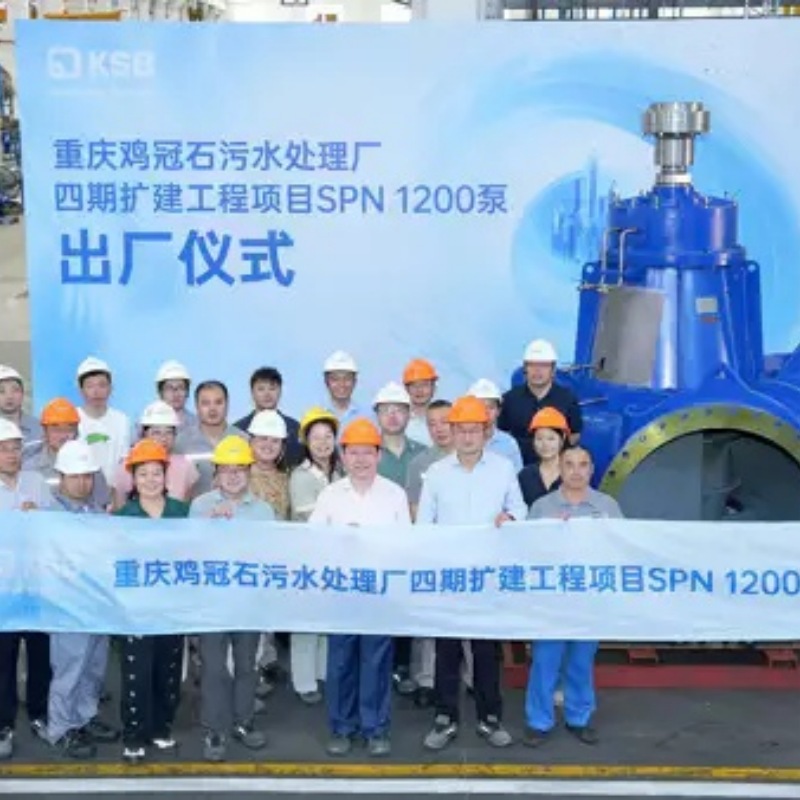
KSB's "Jumbo" Sets Sail | Building a Solid Ecological Barrier for the Upper Yangtze Recently, amidst much anticipation, the core equipment of the fourth phase expansion project of the Chongqing Jiguanshi Wastewater Treatment Plant—the KSB SPN 1200 vertical volute wastewater pump—held a grand delivery ceremony at Shanghai KSB Pump Co., Ltd. This not only marks the successful delivery of another crucial piece of equipment from KSB, but also signifies that a major environmental protection project safeguarding the Yangtze River is about to be equipped with a powerful "domestic heart"! The fourth phase expansion project of the Chongqing Jiguanshi Wastewater Treatment Plant carries the dual mission of addressing the central environmental protection inspection rectification and the ecological problems of the Yangtze River Economic Belt, making it a highly anticipated key project in Chongqing. Upon completion, the total treatment capacity of the Jiguanshi Wastewater Treatment Plant will reach 1.2 million m³/d (cubic meters/day), making it the largest wastewater treatment plant in western China and one of the top five in the country. This surging purification power will greatly enhance the wastewater treatment capacity of Chongqing's central urban area, providing solid support for building a vital ecological barrier in the upper reaches of the Yangtze River. A 12-Meter-High "Giant" Heart Participating in such a significant project is an honor, but also a heavy responsibility: as the "heart" of the entire wastewater lifting system, the pump sets provided by KSB face unprecedented challenges. ⏺︎ Giant Size: The SPN 1200 pump sets shipped this time exceed 12 meters in height from the bottom of the inlet bend to the top of the motor, resembling a steel giant. ⏺︎ Enormous Energy Capacity: To achieve the project's massive leap in processing capacity from 800,000 tons to 1.2 million tons per day, KSB has revolutionized the inlet pump house. By converting six of the original seven main pump units to 12,000 m³/h SPN1200 pumps and adding three additional SPN series pumps with capacities of 8,750 m³/h, 5,370 m³/h, and 2,100 m³/h, KSB Shanghai's newly configured pump unit not only achieved a qualitative leap in total delivery capacity but also brought unprecedented operational flexibility and reliability. ⏺︎ Challenging the "Giant": The enormous size and energy of the units placed extremely stringent demands on vibration, flow patterns, and energy efficiency. Every step of transportation, installation, and commissioning was an ultimate test of technology and experience. Facing these challenges, the KSB technical team showcased its core strengths: ⏺︎ Advanced Hydraulic Modeling: Leveraging KSB's technological DNA to ensure excellent design from the outset. ⏺︎ CFD Flow Simulation: Digital twin analysis of the entire pump house to predict and optimize water flow patterns. ⏺︎ CAE Vibration Analysis: "Diagnosing" each pump unit to ensure rock-solid stability under high-speed operation. Furthermore, KSB provided over 100 key process equipment units for this project, including submersible sewage pumps, impellers, and agitators, ensuring smooth project operation with a comprehensive product portfolio. Precise Contract Fulfillment, Living Up to Expectations "High standards and strict requirements for project quality control, comprehensive coordination of construction progress across multiple stages"—this was the project's commitment and a test for all suppliers. As a key equipment supplier for the project, KSB Shanghai deeply understood the weight of its responsibility. Facing the dual challenges of tight project deadlines and high technical requirements, the KSB team rose to the challenge, demonstrating outstanding professionalism and strong execution capabilities. All departments worked together seamlessly, with meticulous coordination at every stage from design and production to delivery, strictly controlling quality. As expected, KSB ultimately delivered the first batch of 6 vertical volute sewage pumps and over 100 submersible agitator pumps in the first half of the year, strictly adhering to the project schedule requirements. This precise fulfillment of contractual obligations effectively ensured the smooth progress of the entire project. On June 30th of this year, the project successfully achieved initial water supply operation. All installed KSB products operated stably and performed excellently, laying a solid foundation for the project's phased success. Behind this success lies KSB's commitment to its customers, its dedication to social responsibility, and proof of the strength of "German technology, made in China." With the successful delivery of the SPN 1200 pump, we will continue our efforts to fully complete the delivery of the subsequent retrofit pumps for this project. Every shipment is a fulfillment of a promise; every departure is a journey towards the mission of protecting our green mountains and clear waters. KSB will continue to contribute to China's environmental protection cause with its superior technology, reliable products, and professional services, working together with all partners to build a green future.
Read More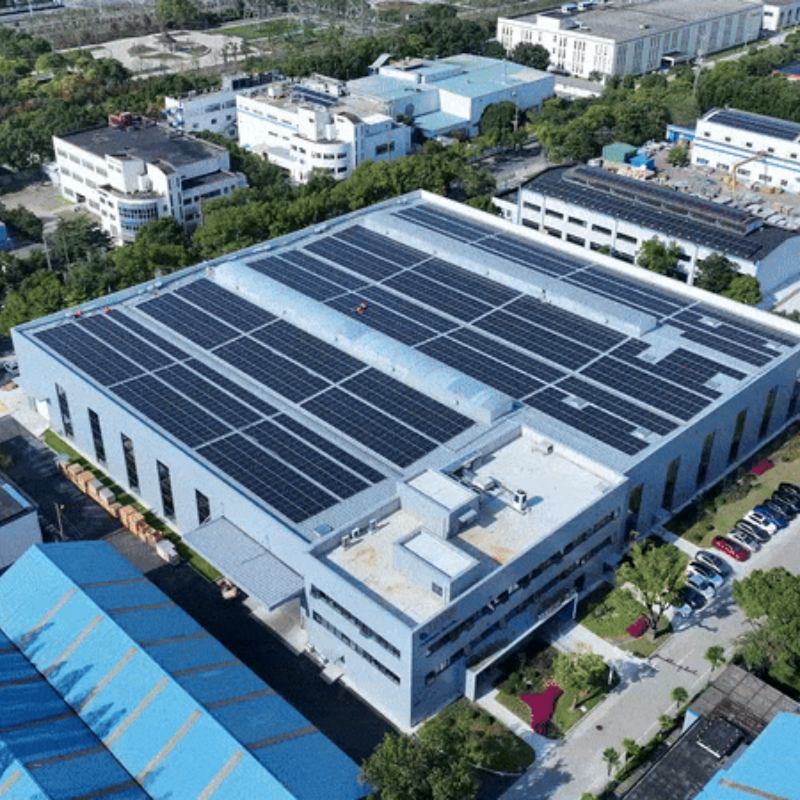
On October 15th, Dr. Stephan Bross, Executive Director and Chief Technology Officer of KSB Group, attended the opening ceremony of the intelligent test bench at the Shanghai Chemical Engineering Pump Plant. In a media interview, he stated, "China has evolved from KSB's 'production base' to a 'global innovation hub.'" China Speed, German Quality, Bright Future At the ribbon-cutting ceremony, Dr. Bross summarized KSB's 31 years of development in China with three key words: China Speed - The CEP plant, with a total investment of 130 million yuan and a construction area of 10,000 square meters, began production in July last year and has an annual production capacity of 2,500 sets of high-end chemical pumps. German Quality - The intelligent test bench has a maximum power of 4,000 kW and a maximum flow rate of 4,300 m³/h, increasing testing efficiency by 300%. Bright Future - The Chinese market has become the Group's second-largest globally, and the North Asia region has achieved five consecutive years of growth in orders, sales, and profits. From "Localization" to "Global Standards" Dr. Bross emphasized the innovative value of KSB's China team: “ In the past, people might have viewed Europe and the United States as centers of technology development, but the situation is completely different now. The intelligent diagnostic algorithms and digital twin technologies developed by the China team have evolved from "localized achievements" to "standard features" across the Group's global factories, and are even being exported to the European and American markets. ” He further noted, "KSB's global standards have never been 'set by headquarters, implemented locally,' but rather 'where there are good innovations, we transform their experience into standards.'" The newly commissioned intelligent test bench is KSB's largest closed-loop test bench in Shanghai and one of the Group's most advanced. Dr. Bross stated that this is more than just a hardware upgrade; it also carries the strategic mission of "intelligent testing, empowering the chemical industry," strengthening KSB's brand recognition as an industry technology leader. KSB Global Operations Conference to be Held in Shanghai The KSB Global Operations Conference will soon be held in Shanghai. Over 100 operations leaders from various countries will gather in Shanghai to learn from the Shanghai team's experience in digitalization and AI applications. “ We aim to combine China's speed of innovation with German quality standards to serve global customers. ” The chemical engineering pump factory of KSB Pump Co., Ltd. in Shanghai, completed and put into operation in July 2024, is a model chemical pump production facility featuring green, intelligent manufacturing, and digitalization. It further enhances KSB's chemical pump production capacity and quality in Shanghai. The factory covers an area of 10,000 square meters and has a total investment of approximately 130 million yuan, including approximately 65 million yuan in equipment. It covers the entire chemical pump production process, including warehousing, machining, assembly, performance testing, pipe welding and assembly, painting, and packaging. The company manufactures dozens of products, including API and ISO series chemical process pumps, heat transfer pumps, magnetic drive pumps, and polyethylene medium pumps for special applications. The standard production capacity is 2,500 units/year, with a maximum capacity expandable to 4,000 units/year.
Read More
The differences between self-priming pumps and centrifugal pumps are mainly reflected in the following aspects: 1. Working Principle: Self-priming pumps: Before starting the pump, the pump casing is filled with water (or water itself is present in the pump casing). After starting, the impeller rotates at high speed, causing water in the impeller grooves to flow toward the volute. This creates a vacuum at the inlet, opening the water inlet check valve. Air in the suction pipe enters the pump and flows through the impeller grooves to the outer edge. Centrifugal pumps: These pumps operate by centrifugal motion of water caused by the rotation of the impeller. Before starting the pump, the pump casing and suction pipe must be filled with water. Then, the motor is started, causing the pump shaft to rotate the impeller and water at high speed. This centrifugal motion causes the water to be thrown toward the outer edge of the impeller and flow through the flow channel of the volute casing into the pump's pressure water line. 2. Applications: Centrifugal pumps: Used in liquid transportation, cooling systems, industrial cleaning systems, aquaculture, fertilization systems, metering systems, and industrial equipment. They are also widely used in industries such as power, metallurgy, coal, and building materials to transport slurries containing solid particles. Self-priming pumps: They disperse water into fine droplets for spraying, making them ideal for farms, nurseries, orchards, and vegetable gardens. They are suitable for handling clean water, seawater, chemical media with acidic or alkaline content, and generally pasty slurries. They can be used with filter presses of any model and specification, making them an ideal companion pump for filtering slurries while feeding them. 3. Components: Centrifugal pumps: Consists of six components: impeller, pump body, pump shaft, bearings, sealing rings, and stuffing box. Self-priming pumps: Consists of a suction chamber, liquid storage chamber, scroll chamber, liquid return port, and gas-liquid separation chamber. 4. Starting Method: Centrifugal pumps: To start, both the inlet pipe and the pump body must be filled with water, or an auxiliary device must be used to evacuate the inlet pipe. Self-priming pumps: To start, a certain amount of starting circulating water must be injected into the pump body. 5. Different Devices: Centrifugal Pumps: Must be equipped with a foot valve at the bottom of the inlet pipe or an air extraction device at the outlet. Self-Priming Pumps: Only a filter is installed at the bottom of the inlet pipe, without a foot valve. 6. Advantages: Centrifugal Pumps: Compact structure, wide flow and head range, suitable for mildly corrosive liquids, uniform flow, smooth operation, low vibration, no need for special shock-absorbing foundations or equipment installation, and low maintenance costs. Self-Priming Pumps: Compact structure, easy operation, stable operation, easy maintenance, high efficiency, long service life, and strong self-priming capacity. 7. Characteristic Curve: Centrifugal pump: The characteristic curve will not show the abnormal phenomenon of the self-priming pump mentioned above, and the efficiency is relatively high. Self-priming pumps: The characteristic curve is generally flatter than that of centrifugal pumps, meaning that the flow rate changes less for the same head change. With strong self-priming capacity, they can be started with no fluid in the suction pipe. However, when the flow rate is low, the characteristic curve of a self-priming pump will exhibit anomalies, meaning that the head increases as the flow rate decreases, resulting in generally lower efficiency.
Read More




 IPv6 network supported.