


News
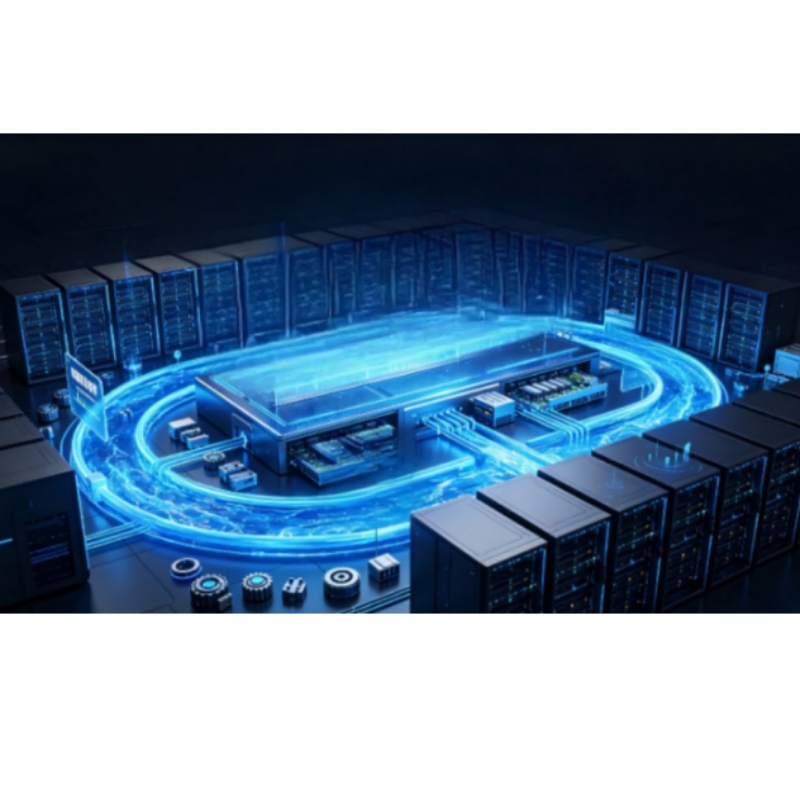
As large-scale model training and AI computing clusters become widely deployed, the power consumption of server chips is exceeding previous expectations. The power consumption per GPU has effortlessly surpassed the kilowatt level, while the power consumption per server cabinet on next-generation computing platforms has reached 225 kW. The traditional air-cooling approach—relying solely on fans and air conditioning systems for heat dissipation—has a maximum cooling capacity of only 30 kW, making it increasingly inadequate to handle the substantial heat generated by high-density computing workloads. A revolution in computing power cooling is quietly unfolding across global data centers: liquid cooling is no longer just an optional feature in a handful of supercomputing centers – it has become the standard solution for high-end AI servers. 01 Computing power continues to surge – liquid cooling systems take center stage across the industry For a considerable period, data center cooling relied on air conditioning systems and fans – a simple, efficient approach with manageable costs. However, with the widespread deployment of large-scale intelligent computing centers and ultra-large-scale computing node clusters, chip power consumption has surged dramatically, making the performance limitations of air-cooling solutions increasingly apparent. When the power consumption per server exceeds 100 kW, the pressure associated with cold plate liquid cooling rises sharply; once the power consumption per server reaches or exceeds 200 kW, the advantages of immersion liquid cooling solutions become even more pronounced. Industry data provides an intuitive reflection of market momentum: the domestic liquid-cooled data center market size is expected to reach RMB 15.98 billion by 2025, representing a year-on-year growth of 45.2%; institutions forecast that the global intelligent computing liquid cooling market size could exceed RMB 100 billion by 2026. TrendForce predicts that the penetration rate of liquid cooling in the AI chip sector will rise from 33% in 2025 to 53% in 2026, and approach 60% by 2027. NVIDIA's latest move signals a comprehensive shift toward liquid cooling solutions. The new-generation Vera Rubin computing power platform has entered mass production and is scheduled for large-scale shipment in the fall of 2026. This platform eliminates all traditional cooling fans, adopting a full-chain cold-plate liquid cooling system that covers all components—including chips, optical modules, switches, and power supply units—under its liquid cooling framework. By utilizing a medium-temperature water circulation system operating at 45°C, the overall PUE of the data center can be reduced to as low as 1.08, significantly lowering the energy consumption of the computing infrastructure. This surge in liquid cooling demand is not solely driven by the Chinese market. The massive training clusters deployed by leading global cloud providers—Meta, Microsoft, and Google—constitute the core engine behind global liquid cooling demand, accounting for approximately 60% of the growth; the domestic market, on the other hand, is driven by centralized procurement initiatives undertaken by telecom operators, major internet companies, and regional intelligent computing centers, capturing the remaining 30–40% of the market growth. In simple terms: as the power consumption of AI chips continues to rise, the computing power density in data centers keeps increasing, and new global AI computing centers are continuously being launched, the underlying rationale driving the growth of the liquid cooling sector will remain unchanged. 02 The Industrial Chain in Two Opposing States: Sufficient capacity for complete device assembly, but demand for core precision components exceeds supply. Amid a booming market, numerous domestic manufacturers specializing in liquid cooling solutions are experiencing overwhelming order volumes. The AI server production line in Jinan is accelerating the assembly of liquid-cooled server models; the core equipment production line at Laixi, Qingdao, has orders scheduled through the end of the year; and for liquid cooling component suppliers in Foshan, orders, output value, and delivery volumes have nearly doubled. Many listed companies have disclosed that their liquid cooling plate production capacity is operating at nearly full capacity. However, behind this apparent prosperity lies a stark divergence in the supply-demand dynamics across the industrial chain; not all segments are experiencing capacity constraints. From an industrial segmentation perspective, the server assembly segment has relatively low entry barriers and the fastest capacity expansion pace; consequently, the supply tightness is expected to ease significantly by next year. The actual supply-demand gap lies in the upstream segment of precision core components—where product reliability and machining accuracy directly determine the yield rate—making capacity expansion particularly challenging and certification processes lengthy, thereby highlighting a pronounced supply-demand mismatch. The cold-plate liquid cooling system is currently the mainstream approach driving significant market growth. The entire system consists of multiple key components: a cold-plate assembly that transfers heat away from the chips; manifold branching pipes that distribute the coolant; UQD quick-connect fittings that ensure secure sealing during pipe connection and disconnection; and the CDU Cooling Distribution Unit, which serves as the central hub of the entire circulation system, regulating coolant flow rate and heat exchange. Current supply and demand status of various components: Standard cold plate supplies are relatively ample; however, customized microchannel cold plates designed for kilowatt-level high-power chips face tight supply constraints. The production capacity for standard CDU cooling distribution units is gradually increasing, whereas high-redundancy models designed for ultra-large-scale intelligent computing clusters remain in short supply; The UQD quick-connect connector segment represents the area with the largest supply gap; it demands extremely stringent leak-proofing requirements, there are very few qualified suppliers worldwide, the yield rate for domestically produced products is insufficient, and the capacity shortfall is expected to be filled within the next 1–2 years. Manifold diverging pipes and high-end liquid cooling pump valves require high machining precision; however, these components are supplied in limited quantities, and a persistent gap remains. The redefinition of value proposition represents another significant shift in the liquid cooling industry. NVIDIA's Rubin platform extends liquid cooling solutions to a broader range of components, substantially increasing the value of single-rack liquid cooling modules. Calculations show that the value of a single-rack liquid cooling module has risen from approximately US$41,500 on the GB200 platform to US$55,700 on the Rubin platform. Notably, the unit price of microchannel cooling plates is 3–5 times higher than that of traditional cooling plates, elevating them from ordinary hardware components to one of the most valuable parts within server cabinets. Emerging applications, such as liquid cooling for optical modules, are also unlocking new growth opportunities across the industry chain. The industry's competitive dynamics have consequently shifted: while the early market was defined by price competition, future competition will center on technological reliability, large-scale mass-production capabilities, long-term customer certification credentials, and global delivery capabilities. 03 China's domestic supply chain is accelerating its breakthrough – backed by three major strengths – yet its weaknesses remain equally prominent. A complete liquid cooling system consists of a primary side and a secondary side; the secondary side, which is located close to the servers, accounts for 70%–75% of the total system value, features higher technological barriers, and represents the primary battleground for domestic substitution; the CDU, cooling plate, and UQD quick connectors are the core components for achieving breakthroughs in this area. Domestic manufacturers have already achieved phased breakthroughs across various stages of the supply chain: In the rapid connector market, Liminda – a subsidiary of Lingyi Intelligent Manufacturing – has commenced mass delivery of liquid-cooling connectors to leading global computing power customers; Yonggui Electric's UQD products have completed customer testing and have entered the small-batch shipment phase; Chuanhuan Technology has secured a presence within the supply chains of major end-device manufacturers, including Inspur, ByteDance, and Alibaba. At the system integration level, Invic has developed a comprehensive liquid cooling solution covering cold plates, joints, CDUs, and coolant; multiple core components have been verified by Intel. In the liquid cooling pump sector, Feilong Co., Ltd.'s high-power liquid cooling pumps are gradually entering the mass production and delivery phase; In terms of cold-source equipment, Binglun Environment's chiller business revenue continued to grow at a rapid rate; Upstream equipment – including Haimuxing's liquid-cooled panel welding machinery and automated production lines – has been supplied in small batches to leading cloud computing enterprises. The coolant industry is entering a rare window of opportunity. The recent withdrawal of the global giant 3M from its fluorinated liquid business has resulted in the loss of 70% of the global supply of high-end fluorinated liquids; in response, domestic companies such as Juhua Co., Ltd. and Xinzhoubang are accelerating their expansion into related product segments. However, chemical project development involves lengthy construction cycles, and it typically takes 2–3 years to fully realize production capacity. The current most significant weakness in China's domestic supply chain lies in microchannel cold plates (MLCP). The production of these plates requires semiconductor-grade lithography, etching, and vacuum diffusion bonding processes – areas where traditional metal fabrication techniques have already reached their limits. Currently, NVIDIA's certified suppliers are predominantly Taiwanese companies; however, domestic firms such as Lens Technology and AVIC Optoelectronics are still in the sample submission and testing phase. Their mass-production yield rates and leakage risks still require further validation; consequently, the gap in manufacturing processes and the barriers to customer certification are unlikely to be overcome in the short term. However, China's domestic industrial chain boasts three distinctive advantages: First, China's comprehensive chemical industry ecosystem positions it as one of the few regions globally capable of rapidly expanding production capacity for high-end fluorinated liquids; Second, its substantial capacity in precision manufacturing—such as CNC machining and vacuum brazing—enables it to accommodate the relocation of global orders; Third, the vast centralized procurement market for domestic intelligent computing centers allows manufacturers to leverage this local market for product validation and yield ramp-up before expanding their operations overseas. It is worth noting that the certification process for hardware products is lengthy: for liquid cooling pumps, the entire journey—from R&D and sample production to completion of all reliability tests and obtaining customer certification—typically takes 1–2 years. Addressing the production capacity gap for quick-connect fittings will also take 1–2 years, while scaling up the production capacity for fluorinated cooling fluids will require 2–3 years. Domestic substitution is not an overnight achievement but rather a long-term, gradual process of market penetration. 04 The Computing Power Cooling Competition has just begun! AI large language models are continuously evolving, and the trend toward increasing computational power density will not cease; as a foundational supporting component of computational infrastructure, liquid cooling now has significant long-term growth potential. The industry is currently at a critical juncture marked by surging demand and the restructuring of supply chains. While downstream final assembly capacity has expanded rapidly, supply bottlenecks persist in upstream segments—including precision components, high-end materials, and specialized cold-rolled steel sheets. International giants dominate the high-end market, whereas domestic manufacturers are simultaneously securing orders while overcoming technical challenges and completing lengthy customer certification processes. In the coming years, the key focus of the liquid cooling sector will no longer be solely on market growth rate, but on whether domestic manufacturers can overcome critical technical hurdles—such as UQD connectors, microchannel cooling plates, and fluorinated cooling fluids—and achieve full domestic control over both individual components and complete liquid cooling systems. Behind this competition for computing power lies a pivotal battle in thermal management that warrants continuous attention.
Read More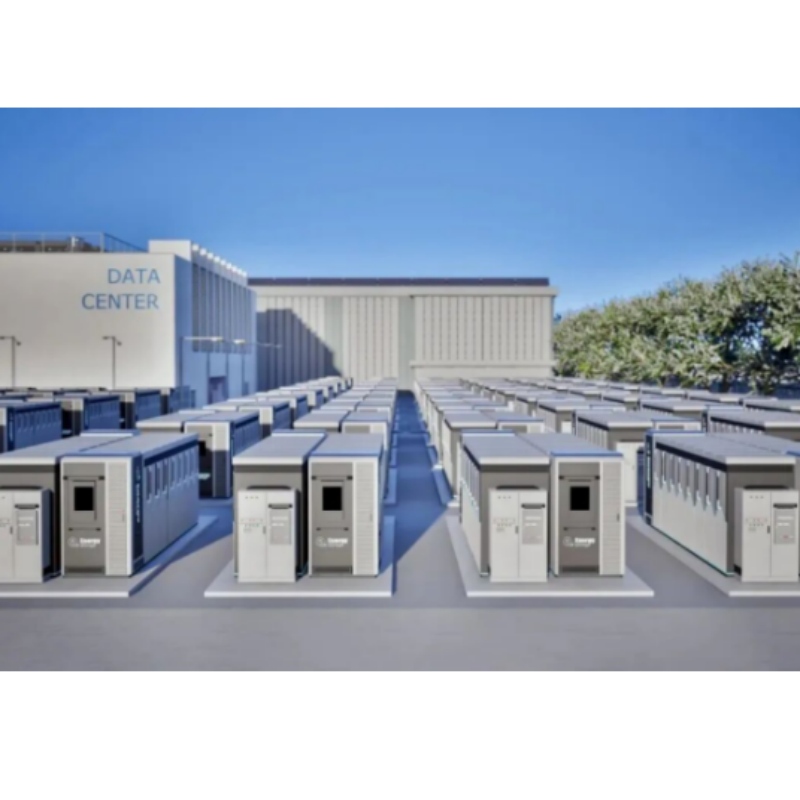
Against the backdrop of the ongoing global energy transition, hydrogen fuel cells are emerging as a key area for clean energy applications. From distributed energy systems to data center backup power supplies, and from commercial buildings to industrial facilities, an increasing number of scenarios are adopting fuel cell systems. An efficient and reliable cooling water circulation system is becoming a crucial foundation for ensuring the performance and service life of fuel cells. Recently, Xylem successfully delivered a customized cooling water pumping solution to a leading international fuel cell equipment manufacturer, supporting the manufacturer's business expansion in the Asian and North American markets; the project amounted to US$1 million. Different markets, different needs The commercial deployment of hydrogen fuel cell systems often requires addressing multiple critical requirements simultaneously—such as technical compatibility, manufacturing and delivery, export compliance, and end-user preferences. Particularly when the equipment is targeted at different national and regional markets, motor standards, brand preferences, configuration options, and supply chain responsiveness can all become key factors in driving the project forward. In this project, Xylem's relevant products are utilized as cooling water pumps for hydrogen fuel cell systems, meeting the operational requirements of both Korean and U.S. customers. This means the solution must not only comply with actual operating conditions but also take into account the application practices and product configuration preferences across different markets. Flexible configuration supports multi-market deployment This project utilizes Xylem GWT water pumps and e-SV vertical multi-stage centrifugal pumps as the core equipment for the fuel cell cooling system. To comply with the regulatory requirements of different regions, the project team implemented a differentiated deployment strategy: Different motor solutions, compliant with local standard requirements, are adopted for the US market and the Korean market, respectively. Through this flexible configuration, Xylem can better align with customer preferences across both markets, while also supporting customers' production schedules and export requirements. Trust stems from long-term collaboration This is not merely a simple product delivery, but rather a collaborative journey spanning from initial development through to continuous optimization. In 2019, Xylem began supporting the specific requirements of this hydrogen fuel cell customer from the mass-production prototype phase onward, continuously refining its solutions based on end-user feedback and evolving application requirements. Throughout this process, the Xylem team did not merely focus on "responding to demands"; instead, through continuous communication, feedback integration, and solution iteration, they transformed end users' actual usage experiences into product and configuration choices that better align with real-world application requirements. This long-term, in-depth collaboration has further strengthened the mutual trust between Xylem, its local distributors, and end-users. As the end-users increased their production volumes, the corresponding order volume also grew, ultimately giving rise to a cooperation project valued at millions of US dollars. Global collaboration drives future business growth The global hydrogen fuel cell market demand is steadily growing; to better support its customers' future business growth, Xylem is actively exploring ways to further enhance its supply capabilities by leveraging its global manufacturing resources. Xylem's Nanjing facility will also participate in the manufacturing and supply of such projects in the future; by leveraging global collaboration and local production advantages, it will provide customers with faster and more flexible responsiveness, positioning itself well for future market growth. Empowering the energy future with innovative water technologies From clean energy to critical industrial applications, reliable water technologies and pumping solutions are empowering a growing array of innovative use cases. Xylem will continue to be customer-centric, leveraging its global resources, local partnerships, and continuous improvement capabilities to help our partners meet evolving market demands. For emerging application scenarios such as hydrogen energy, Xylem looks forward to partnering with more collaborators to jointly drive a more reliable and sustainable future through our professional expertise and long-term commitment.
Read More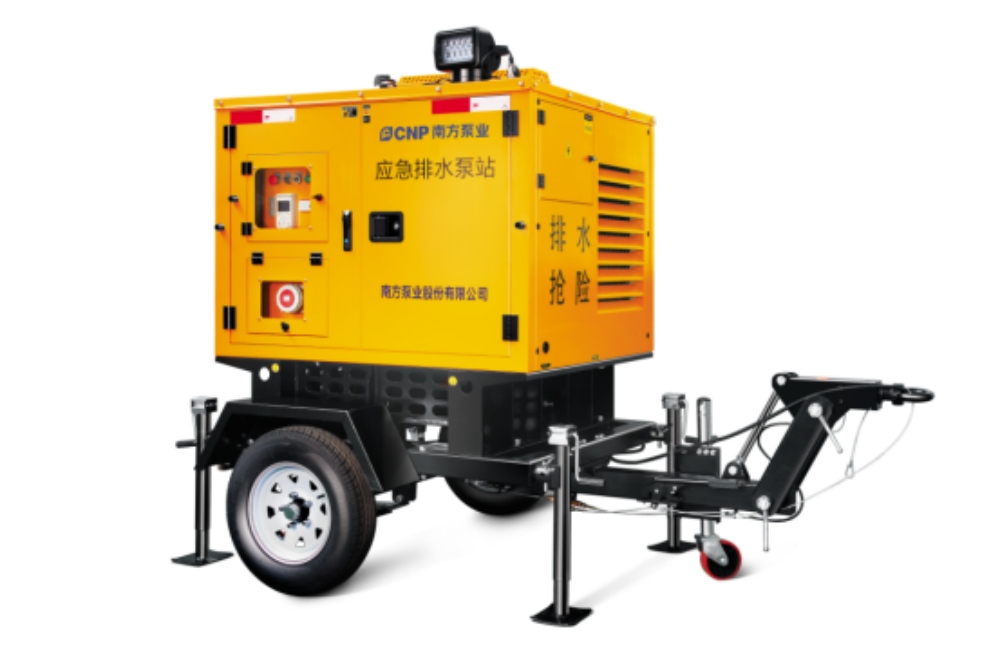
Recently, Super Typhoon Baihai (Typhoon No.13) made landfall, bringing strong winds and heavy rainfall to numerous areas across Jiangsu and Zhejiang provinces, creating a highly challenging flood prevention situation. In response to this emergency, Nanfang Pump Industry swiftly activated its emergency drainage solution and deployed personnel to the front lines for抢险 operations, launching a decisive battle to drain floodwaters. Speedy Deployment, Fortify Flood‑Safety Defenses On August 10, due to the persistent heavy rainfall caused by Typhoon Baihai, significant water accumulation occurred within Dongfeng Village, Renhe Subdistrict, Yuhang District, Hangzhou City; poor local drainage systems led to obstructed road access, posing a threat to the safety of villagers traveling through the area. Upon receiving the coordination notice from the village committee, the Nanfang Pump Industry Emergency Rescue Volunteer Team responded immediately and deployed personnel overnight to assist. The team simultaneously dispatched emergency flood drainage vehicles and portable water pumps, assembling a comprehensive emergency response equipment team to rush to the scene. Upon arriving at the scene, the team seized the critical window for emergency response, working tirelessly from early morning until the afternoon of the following day. Through precise measures and continuous drainage operations, they successfully lowered the pond's water level to a safe range, alleviated the issue of poor regional drainage, completely eliminated the risk of water accumulation in the area, and fully ensured the safety of the villagers' travel. Emergency Support for Wuxi Against Historically High Water Levels On August 10, Wuxi was hit by an unprecedentedly heavy rainfall, causing water levels across the city to surge and creating an unprecedentedly severe flood control challenge. Upon receiving the urgent request for assistance, Nanfang Pump Industry responded swiftly and on August 11 dispatched two YPD mobile trailer-mounted drainage pump stations, along with a professional emergency response team, from Hangzhou to the front lines in Wuxi. Upon arrival at the site, the team immediately coordinated with local authorities, planned the drainage route, completed the assembly and debugging of the equipment, and kept both the equipment and personnel on standby to support the flood control efforts. Due to heavy rainfall triggered by the residual circulation of Typhoon "Baihai", Wuxi City experienced continuous heavy downpours on August 14. Upon receiving a request for assistance from the local sub-district office, Nanfang Pump Industry promptly deployed two YPD mobile trailer-mounted drainage pump stations—one to the Xinan Community in Heli Sub-district, Binhu District, and the other to the Tangxiang Residential Complex on Xueqian Street, Liangxi District—where they conducted rescue operations over several hours overnight. The rescue mission was successfully completed in the early hours of August 15, effectively safeguarding the normal daily lives of the residents. Emergency Pioneers: Frontline Commitment to Safe Water Condition The YPD series trailer-mounted mobile drainage pump station features a lightweight aluminum alloy pump unit combined with an integrated trailer design, enabling it to be towed by standard traction vehicles for rapid relocation in waterlogged operational environments; it is equipped with a built-in permanent-magnet submersible motor and an intelligent control cabinet, incorporating multiple electrical protection functions to ensure safe operation during water immersion conditions; the unit includes a built-in power generation capability, allowing it to operate independently without relying on an external power grid, and can supply electricity to other rescue equipment via standard interfaces, enabling versatile multi-purpose use; its 63-liter high-capacity fuel tank supports continuous operation for over 8 hours on full fuel, while the external refueling port design enables uninterrupted fuel replenishment, ensuring reliable performance during prolonged operations. Nanfang Pump Industry will continue to optimize its emergency equipment system, deepen its expertise in developing comprehensive emergency drainage solutions for all scenarios, and steadily enhance its flood control and emergency response capabilities under extreme rainfall conditions and complex operational environments. Leveraging its systematic and professional water emergency management capabilities, the company is committed to fully safeguarding flood prevention safety in both urban and rural areas as well as ensuring the stability of public livelihoods.
Read More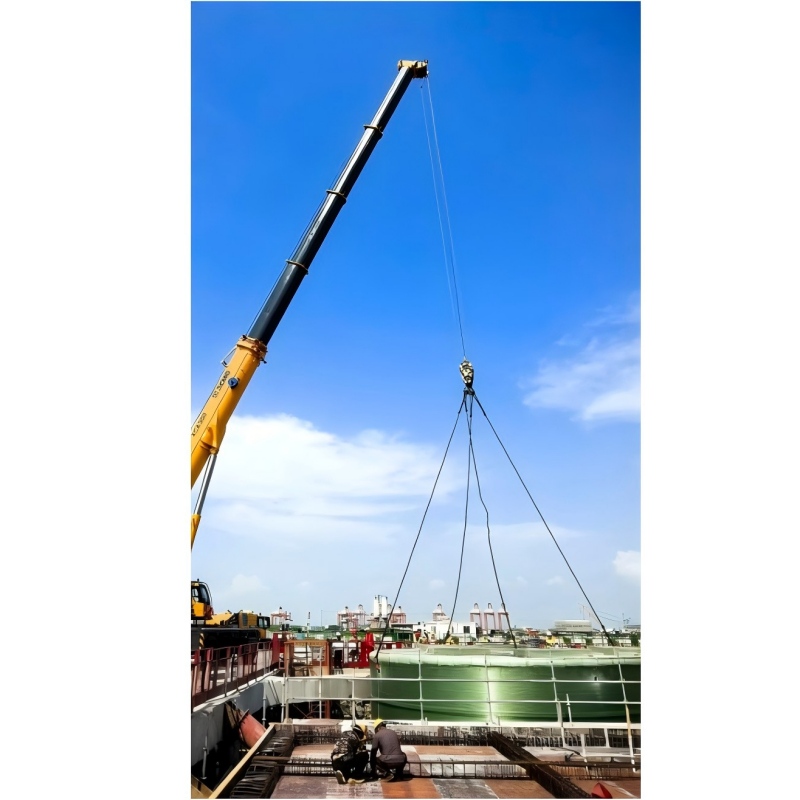
Typhoon "Baihai" (No.13 of this year) made a direct impact on East China with strong winds and heavy rainfall; across Shanghai, widespread rainfalls ranging from moderate to extremely heavy were recorded, with the cumulative precipitation in the central urban area exceeding 150 mm within six hours; as a result, the flood control and typhoon response level was elevated to Level II. In response to these extreme rainfall events, the Kaiquan integrated prefabricated pumping station—measuring 10 meters in diameter and supporting the second-phase renovation project of the Luojing Port Container Terminal in Shanghai—was operating at full capacity. With four high-power submersible pumps providing a robust drainage capacity of 12.4 m³/s per tank, the station has established a solid flood prevention safety barrier for the port area. 01 Typhoon Test Port Area Faces Extreme Drainage Relief Challenges As a core container hub along the northern Yangtze River shoreline in Shanghai, the Luojing Port Area boasts extensive terminal and storage facilities; brief periods of heavy rainfall can easily lead to widespread water accumulation, making it a key area for flood prevention and drainage management. During Typhoon "Baihai", the rainfall was concentrated and accompanied by strong winds—these intense downpours placed tremendous strain on the port's drainage system. This large-scale rainwater drainage pump station, featuring a 10-meter cylinder diameter, was officially put into operation in August 2025; this event marked its first real-world test under the impact of severe typhoon-level rainfall. As a flagship product for large-scale rainwater pumping stations by Kaiquan, this pumping station leverages a large-capacity cylindrical storage tank, high-power parallel pump units, and an integrated network coordination design to seamlessly align with the Sponge Port drainage planning framework. It enables rapid collection of stormwater runoff from all areas—including terminal container zones, gate areas, and road sections—thereby effectively mitigating risks such as yard flooding, freight service disruption, and subgrade damage. Upon activation of the typhoon warning, the project operations and maintenance team implemented a 24-hour duty roster system, conducting thorough inspections and debugging of the electrical control system, grid equipment, liquid level sensing system, and the external drainage pipeline network; leveraging real-time rainfall and liquid level data for coordinated control, the system automatically starts or stops generating units based on rainfall intensity and adjusts the drainage rate accordingly. The pumping station was equipped with four submersible axial-flow pumps, each with a flow rate of 3.1 m³/s; during this typhoon event, the cumulative drainage volume exceeded 50,000 m³. This ensured that no widespread water accumulation occurred across all storage yards and customs clearance gates within the port area, while maintaining a stable and orderly flow for container transfer and truck traffic – demonstrating the robustness of a mature and reliable system solution in withstanding extreme rainfall conditions. 02 Field proven Mature Solutions for Safeguarding Urban Water Safety This real-world storm test fully demonstrates the sound design rationale and operational compatibility of the Kaiquan Large-Cylinder Drainage Pumping Station for port environments along riverbanks, while also providing a replicable, proven solution for sponge-city-style drainage system upgrades in large port areas. As a leading enterprise in China's pump industry, Kaiquan has dedicated many years to the integrated prefabricated pumping station sector, with its products serving a wide range of applications—including municipal drainage, flood control and drainage systems, and emergency rainwater management. Its product lineup covers a full spectrum of cylinder diameters ranging from 1.2 meters to 10 meters, supporting both single-cylinder and multi-cylinder parallel configurations, and can achieve a maximum stormwater discharge capacity of 30 m³/s. To date, over 300 large-scale drainage pumping stations operated by Kaiquan have been deployed across China, and more than 6,000 units of its comprehensive integrated pumping station series have been installed nationwide. From managing urban waterlogging to safeguarding coastal port areas against floods, and from advancing sponge city initiatives to ensuring emergency drainage capabilities – Kaiquan drives product innovation through technological breakthroughs, safeguarding the water security of every city with reliable quality.
Read More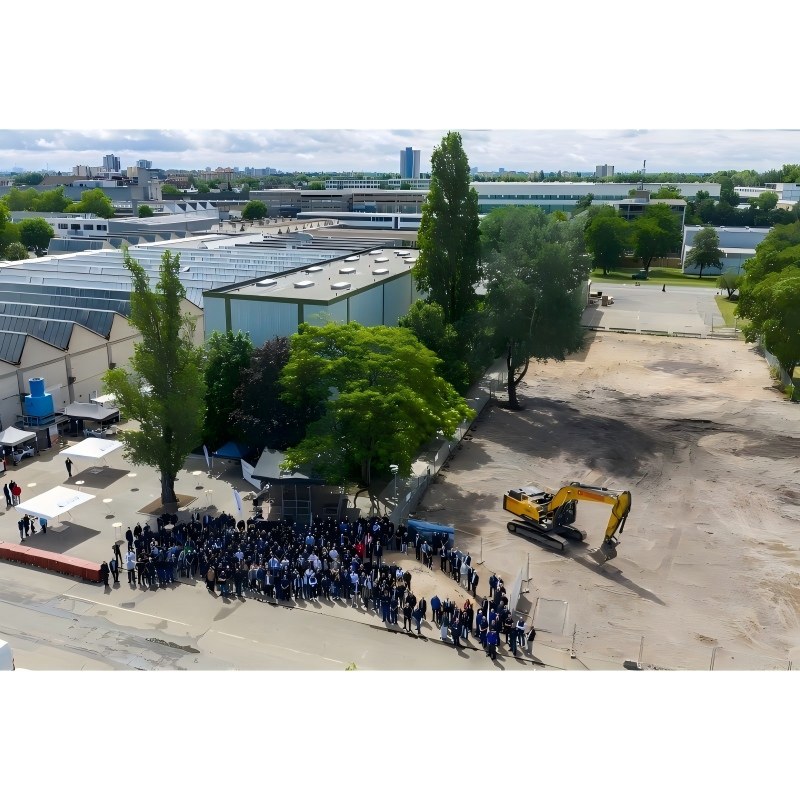
KSB launches in Frankfurt Expansion Ceremony of Eta Production Base On June 9, KSB held the groundbreaking ceremony for the expansion of its Eta production facility in Frankfurt am Main, Germany, marking another significant milestone in the company's efforts to advance high-efficiency pump manufacturing. This investment exceeds €70 million and stands as one of KSB's largest single-project investments worldwide to date. At the groundbreaking ceremony, Dr. Stephan Timmermann, CEO of KSB Group, joined Simone Schneider, State Secretary for Economic Affairs of Rhineland-Palatinate, Nicolas Meyer, Mayor of Frankenthal, and approximately 400 employees in wielding shovels to mark the beginning of a new era of production. The newly expanded Eta factory will serve as Europe's technological hub for electronically controlled pumps, integrating digitalization, energy efficiency, and smart manufacturing principles. The expansion project is scheduled for completion by 2030, involving a comprehensive upgrade of the workshop layout, optimized restructuring of machining, assembly, and logistics areas, as well as renovation of the aging production hall. By optimizing production processes, the Eta factory's annual capacity will increase from 54,000 to 65,000 pumps while maintaining KSB's consistent high-quality standards. The new facility will also feature green roofs, photovoltaic systems, and a drying system integrated with the headquarters' heating network to achieve energy efficiency. The Eta production line is now manufacturing the next-generation EtaLine Pro pumps for construction applications. Given the growing market demand for variable-frequency pumps—where such equipment accounts for 10% to 15% of Europe's electricity consumption—this upgrade not only boosts production capacity but also significantly enhances energy efficiency, delivering more sustainable solutions for customers. Since Dr. Fritz Krisam of KSB first introduced the Eta pump series in 1935/36, it has evolved into the "mother of standardized pumps" and remains a core symbol of KSB. Dr. Timmermann stated: "The Eta is not merely a product—it is the 'heart' of KSB." This expansion demonstrates KSB's strong commitment to its operations in Germany and highlights the company's ambition in technological innovation, sustainable development, and global market competitiveness. The completion of the new plant in Frankenthal will lay a solid foundation for the production of high-efficiency pumps over the coming decades.
Read More
In the wave of building new power systems If we say that pumped storage is... The "big brother" in the energy storage sector So, what about large-scale, long-term physical energy storage? Compressed Air Energy Storage It's precisely that "up-and-coming technology" which has become a key pillar of the energy transition. Recently, documentaries such as "Miracle China" and "Beyond: Underground Energy Veins" have been widely broadcast on CCTV. The film features the world's first 300 MW-class compressed-air energy storage power station, hailed as a "super green power bank," which has set three world records in single-unit power capacity, energy storage scale, and conversion efficiency. It has achieved 100% domestic production of key core equipment and deep-space utilization products, making it a landmark project in China's energy transition. Behind this critical national infrastructure project, LEO Pump Industry, as the primary supplier of pump equipment, provides comprehensive solutions—including circulating pumps, makeup water pumps, and miscellaneous pumps—covering all fluid transportation requirements across power plant cooling systems, makeup water systems, and drainage systems. These efficient, intelligent, and reliable customized fluid solutions enable the successful implementation of world-class energy storage projects. project context Yingcheng in Hubei Province flourished due to its salt industry. Over 500 years ago, a heavy rain breached the rock layers of Tuanshan Mountain, transforming the area into the nationally renowned "Salt Capital and Salt Sea." As one of China's major production areas for well-mined salt, Yingcheng has developed over 40 million cubic meters of salt caverns underground—equivalent to the internal volume of 50 Fujian-class aircraft carriers! The 300 MW-level compressed air energy storage power station in Yicheng, Hubei Province utilizes underground salt caverns from abandoned salt mines as gas storage facilities. During off-peak electricity demand periods, the system drives compressors to compress and store air; during peak demand periods, high-pressure air is released to drive turbine expanders for power generation. The entire process requires no combustion of fossil fuels, achieving truly zero carbon emissions. This "air-powered battery" boasts a storage capacity of 1,500 megawatt-hours and a system conversion efficiency of approximately 70%. It can perform an energy storage cycle of 8 hours followed by a release cycle of 5 hours daily, generating about 500 million kilowatt-hours annually—equivalent to saving over 150,000 tons of standard coal—and sufficient to meet the annual electricity needs of roughly 250,000 households. Within this extensive and sophisticated system, the cooling water circulation serves as the lifeline ensuring stable operation of the compression energy storage and heat exchange systems—making LEO Pump Industry the trusted guardian of this critical infrastructure. Project Challenges For such a world-class project, the "Nengchu No.1" imposes stringent technical requirements on its high-and low-temperature cooling water circulation system. ①Extremely wide load adjustment range: Frequent switching between compression and power generation modes requires the circulation pump to operate stably and efficiently across the entire rated flow range of 50%–150%, while preventing motor overload or overheating. This poses significant challenges to both the hydraulic model and power matching of the pump. ② Specialized pump adaptation for high-temperature operating conditions: The project's heat storage and exchange system requires the delivery of high-temperature circulating water, demanding that suppliers possess advanced expertise in high-temperature heat network pumps and the capability to customize solutions for specialized process applications. ③ High-reliability customization requirements: As the world's first integrated engineering system, this equipment must operate safely over extended periods in outdoor environments with alternating temperature conditions, while being equipped with highly automated variable-frequency control and intelligent monitoring systems that seamlessly integrate with the plant's DCS network. ④ Engineering challenges posed by extremely tight delivery timelines Within just two months from signing the contract to delivery, the project required completing a full set of processes—including casting and welding of specialized materials, integration of a 10 kV high-voltage frequency conversion system, and comprehensive factory testing—putting the manufacturer's end-to-end rapid response capabilities and quality control standards to the test. LEO solution LEO is one of the leading suppliers of circulating cooling water pumps for large-scale thermal power generation units in China, holding a dominant position in the industry. For this project, leveraging nearly 70 years of technical expertise in large-scale customized pump solutions, LEO has developed a comprehensive set of high-and low-temperature circulating water pump solutions specifically tailored for "Nengchu No.1". ①Deepening of high-efficiency and energy-saving technologies: LIO has supplied the Yingsheng project with GSX and GSE series single-stage, double-suction centrifugal pumps. These products have obtained China's National Grade 1 Energy Efficiency Certification and build upon the core technological strengths recognized by the Second Prize of the National Science and Technology Progress Award. With a hydraulic efficiency exceeding 90%, they deliver 3%–5% greater energy savings compared to conventional pump models. This product series achieves a broader high-efficiency operating range through optimized flow channel design and impeller structure, enabling load regulation across 50%–150% of the rated flow rate while maintaining stable performance during transitions between compression and power generation modes. ② High-temperature resistant operation: For high-temperature operating conditions in heat storage and exchange systems, LEO has installed three DSR high-temperature circulating water pumps specifically designed for extreme thermal environments. These pumps operate at 181°C with a rated flow rate of 1,195 m³/h and a head of 45 m, powered by a 1:1 variable-frequency drive system. ③Smart Operation: LEO not only supplies the pump unit itself but also integrates a complete set of instrumentation and control systems. By configuring a 10 kV high-voltage frequency conversion device and a 380 V low-voltage frequency conversion control cabinet, intelligent stepless speed regulation for the pumps is achieved. Additionally, sensing components such as temperature-resistant thermistors and vibration probes are installed at critical locations within the pump assembly, enabling real-time comprehensive monitoring of bearing temperature, vibration, and pressure. These systems are fully integrated into the plant-wide DCS system, achieving true "unattended operation with minimal personnel required for inspection." LEO has also integrated a pump health monitoring platform into the equipment. Leveraging AI-driven data analysis, this platform provides early fault warnings, automatically generates system diagnostic reports, delivers comprehensive data support for energy efficiency optimization, and reduces operational costs by 30%. ④ Fast Delivery: To meet the stringent two-month delivery deadline, LEO Pump Industry adopted a digital collaborative manufacturing approach, successfully completing critical processes—including customized production of large dual-suction pumps and welding of special materials—with exceptional quality, thereby passing the rigorous testing required for the world's first integrated pump system project. Flow Towards The Future With the full-capacity grid connection of "Nengchu No.1," the LEO pump unit operates around the clock above the underground salt cavern, ensuring the safe and efficient operation of this "super green power bank." Since commissioning, the LEO pump unit has maintained consistently high reliability, reliably meeting the cooling and water-supply demands of the power plant's compressed energy storage system and heat storage/transfer system, thereby providing robust fluid support for achieving a 70% energy conversion efficiency in the "Energy Storage No.1" project and establishing it as a world-class benchmark in energy storage. As the core equipment supplier for the world's first 300 MW-class non-combustion compressed air energy storage power station, LEO Pump Industry has once again demonstrated its technical expertise and brand reputation in the fields of advanced energy storage and power systems. With meticulous craftsmanship and unwavering reliability, from traditional circulating pumps for thermal power plants to core auxiliary equipment for advanced energy storage systems, LEO Pump Industry has consistently focused on the efficient transportation and precise control of energy fluids. In response to the new integrated energy landscape encompassing generation, grid, load, and storage, Leo will continue to contribute its expertise through efficient and reliable smart fluid solutions, supporting the global green energy transition and China's "dual carbon" strategy.
Read More
Technology driven sustainable future This year marks the beginning of the 15th Five Year Plan, and April 22nd is the 57th World Earth Day. As global industries enter the deep waters of low-carbon transformation, sustainable development has become an important component of long-term competitiveness for enterprises. For KSB, sustainability is not just a phased goal, but a systematic action integrated into the entire process of corporate strategy, product innovation, and operational management. As a company that joined the United Nations Global Compact in 2010, KSB has always benchmarked against the 17 Sustainable Development Goals of the United Nations and built a robust and executable green development path with clear and quantifiable 2030 commitments. Drive real emissions reduction with clear goals KSB has set clear carbon reduction and management goals around climate responsibility and corporate governance. KSB Sustainable Development Goals By 2030 Environment · Compared with 2024, KSB has reduced Scope 1 and 2 greenhouse gas emissions by over 25.2%, and cut the total emissions of Scope 3 major pollutants by 15%. · The proportion of renewable energy in KSB's total electricity consumption has exceeded 80%. · KSB's annual water consumption has been reduced to approximately 966 cubic megajoules. · Compared with 2024, the greenhouse gas emissions of KSB's power supply assets in operation have dropped by 40%. Society · In group management, female employees account for no less than 15% of first-level managers, no less than 15% of second-level managers, and no less than 18% of all management positions nationwide. · The average annual training hours for KSB's frontline employees and technical personnel have exceeded 15 hours. · All business units of KSB must comply with the "KSB Supplier Code of Conduct" or equivalent standards, and all suppliers must have core business integrity training for their employees, with sustainable development training provided every three years. · The lost time injury frequency rate (LTI) per million person-hours has been kept below 3.2. · The number of employee academic qualifications above junior college has exceeded 75%. Governance · KSB conducts sustainability risk assessments for over 400 of its existing suppliers that are involved in potential sustainability risks. · All newly purchased suppliers must comply with the "KSB Supplier Code of Conduct" or equivalent standards. · All suppliers must have core business integrity training for their employees, with sustainable development training provided every three years. Based on international standards, KSB proposes the following development goals: -By 2030, the direct and indirect energy emissions generated by the company's own operations (Scope 1&2) will be reduced by more than 25.2% compared to 2024; -Reduce key value chain emissions (Scope 3) by 15%; -The proportion of renewable electricity in the total electricity consumption of enterprises has increased to over 80%; -On sale water pumps help customers achieve energy savings of no less than 26 gigawatt hours annually; -Power station pump products achieve a 40% reduction in greenhouse gas emissions during customer operation. In terms of carbon emission management, internationally, corporate emissions are usually classified into three categories: -Scope 1 (Direct Emissions): Emissions directly generated during the operation of a company, such as carbon dioxide produced by the combustion of gas boilers in factories. -Scope 2 (Indirect Energy Emissions): Emissions generated during the production process of electricity or heat purchased and used by enterprises. -Scope 3 (Value Chain Emissions): Indirect emissions from upstream and downstream of enterprises, such as emissions generated during raw material production, logistics transportation, and product use stages. Sustainable development belongs not only to the enterprise itself, but also to the entire value chain. At the governance level, KSB conducts sustainable risk assessments on over 400 existing suppliers annually and establishes a systematic supplier sustainable management mechanism From admission review, annual risk assessment to code of conduct implementation, new suppliers must comply with the company's sustainability standards; At the same time, through specialized training, we aim to enhance the purchasing team's capabilities, ensure the true implementation of sustainable concepts, and ensure that green concepts are integrated into the supply chain system. Make the fluid system a key variable for carbon reduction Data shows that the global pump system consumes approximately 20% of the total global electricity demand. Therefore, improving the efficiency of pump and valve products is an important lever for achieving large-scale carbon reduction in the industrial field. Production end: -KSB Shanghai was awarded the title of "Shanghai Green Factory"; -The Grovetown production base in the United States has achieved 100% renewable electricity supply; -The Frankenthal production base in Germany utilizes biomass boilers to achieve energy recycling; - …… Through energy structure optimization and material recycling, KSB continues to reduce its carbon footprint in the production stage. Product end: -The hydraulic efficiency of the all-new MultiTec Plus multi-stage centrifugal pump has exceeded 83%, significantly higher than industry standards; -Provide customized pump and valve solutions for clean energy projects such as biomass, wind power, photovoltaics, and green hydrogen; -Continuously promote the power station pump to achieve a 40% emission reduction target during customer operation; - …… Against the backdrop of increasing customer attention to full lifecycle costs and carbon emissions performance, efficient and energy-saving products not only reduce operating costs, but also become an important support for enterprises' green transformation. From clear emission reduction paths to efficient product innovation and supply chain collaborative management, KSB has always adhered to the concept of "Solutions. For Life", transforming sustainable development into measurable, executable, and sustainable actions. World Earth Day is only one day a year, Guarding a green future is KSB's every day.
Read More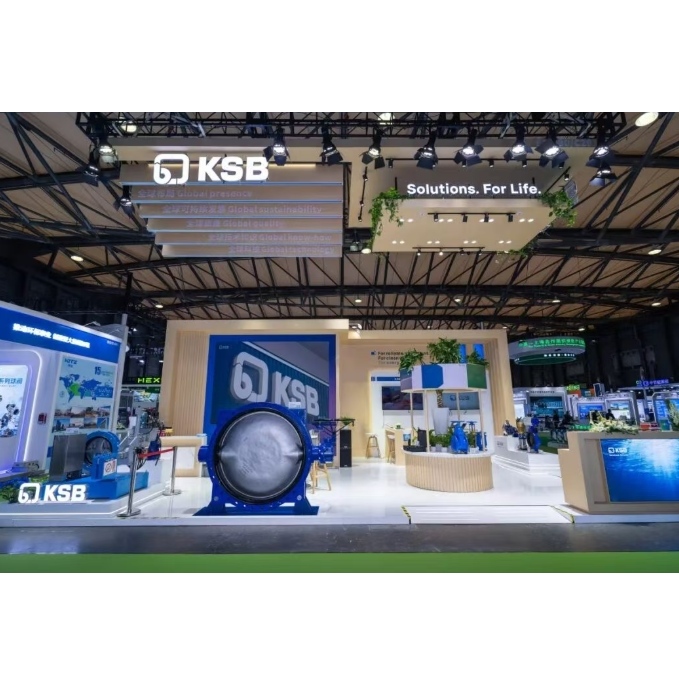
KSB leverages its digital intelligence and low-carbon hard power Leading the way towards sustainable development From April 13th to 15th, the 27th China Environmental Protection Expo, the flagship exhibition of Asian environmental protection, grandly kicked off at the Shanghai New International Expo Center. KSB showcased its pumps, valves, and next-generation digital solutions at booth B30/C29 in Hall E1, focusing on the forefront of smart environmental protection and exploring new paths for high-quality industrial development. The booth was highly popular and became the focus of industry attention. Exhibition matrix Efficient + Low Carbon + Intelligent The environmental protection industry is bidding farewell to scale expansion and moving from engineering driven to a new stage of high-quality development characterized by intelligent prevention, low-carbon recycling, and high-value resource utilization. Based on the transformation needs of the environmental protection industry in the first year of the 15th Five Year Plan, KSB focuses on the core pain points of water treatment and brings one-stop solutions for all scenarios. With the dual wheel drive of "product+technology", it demonstrates the strength of a leader in high-end fluid equipment. High performance fully covered pump set Star pump models such as stamping horizontal multi-stage pump Movibloc, vertical multi-stage pump Movitec, horizontal end suction pump Etablac and MegaCPK, axial split volute centrifugal pump Omega, submersible centrifugal pump Amarex KRT, and KSB original mechanical seal spare parts were showcased, covering all scenarios such as sewage treatment and industrial circulation, with high efficiency, stability, low consumption, and long service life, laying a solid foundation for the core equipment of water treatment systems. Flagship valve lineup The large-diameter butterfly valve MAMMOUTH is once again unveiled: as a practice of KSB's localization strategy in China, it not only fills the technological gap in the field of high-end fluid equipment in China, but also demonstrates the resilience of "Made in China" in the global industrial chain. The DUALIS-C hydraulic butterfly valve, ECOLINE gate valve, HERA-BDS knife gate valve, BOAX-B butterfly valve and other products exhibited this time have the characteristics of low energy consumption and high energy efficiency, making them the best choice to help achieve the dual carbon goal. Additionally, it is worth mentioning that KSB has brought the ISORIA rubber coated butterfly valve optimized specifically for seawater desalination scenarios. With high reliability, it helps emerging low-carbon application scenarios and further improves the overall layout of water equipment. Digitized solutions KSB believes that the future development of the environmental protection industry depends not only on visible equipment, but also on invisible efficiency, energy consumption, and risk management. KSB is committed to becoming a long-term partner for customers in core value areas such as smart operations, green energy and carbon, and intelligent diagnostics. At this year's Environmental Expo, two major digital core achievements of KSB China, Kaipum Guard and KSB Smart Factory, were showcased on site: relying on the Internet of Things, algorithms, big data, and digital twin technology, Kaipum Guard achieved predictive maintenance of rotating products, giving every device the ability to "predict". KSB Smart Factory connects the entire production, planning, and maintenance chain, empowering green and sustainable development with refined energy management, visualizing and controlling the entire area, and building a safe and smart park. Under the dual carbon background KSB Solution During the exhibition, KSB deeply participated in high-end industry exchanges, empowering industrial transformation with professional strength and conveying the concept of sustainable development. On April 13th, Cai Ying, Business Development Manager of KSB Shanghai, was invited to attend the E20 Environmental Platform Forum. With the theme of "Efficient and Reliable Application of Pumps in Industrial Water Treatment under the Background of Dual Carbon", she systematically shared how KSB helps the industrial water treatment field achieve energy conservation, consumption reduction, safety and stability, and low-carbon transformation through efficient and energy-saving pump sets and digital operation and maintenance solutions, providing a practical path that can be implemented and replicated for the industry, and was widely recognized by the guests on site. During the same period, KSB accepted an interview with the "Environmental Circle" media. Zhu Yixin, Sales Director of KSB Valve's China Water and Sewage/Export Business, and Huang Chuanxiong, Chief Expert and General Industrial and Building Industry Application Manager of KSB, combined with industry development trends, stated that "the current environmental protection market is returning to rationality, and the core competitiveness of enterprises lies in deep technological cultivation, reliable products, professional services, and full cycle value creation. KSB has always integrated low-carbon concepts into the entire process of research and development, design, production, and service, relying on digital technology to continuously explore energy-saving potential, providing customers with globally leading fluid solutions, and helping the industry achieve green transformation. For over 150 years, KSB has adhered to a long-term philosophy, always practicing the concept of sustainable development, using technological innovation as the engine, and continuously cultivating the environmental protection and water market. Based on the beginning of the 15th Five Year Plan, the current environmental protection industry has entered an era driven by technology and value. KSB China has been practicing the "double carbon" strategy, deeply integrating German Seiko with local innovation, and promoting the pump valve equipment to be intelligent, low-carbon and integrated. In the future, we will continue to adhere to the solution The brand concept of achieving a better life, with more reliable products, smarter solutions, and more professional services, collaborates with global partners, links global green opportunities, and jointly builds a low-carbon, efficient, and intelligent new ecological environment for environmental protection.
Read More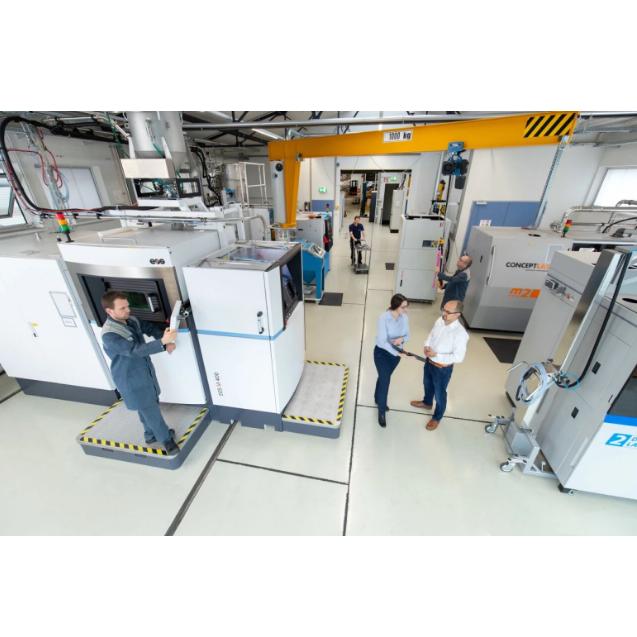
KSB Additive Manufacturing Technology In the industrial manufacturing sector, a technology that revolutionizes traditional cutting processes is reshaping the future—additive manufacturing (commonly known as 3D printing). Unlike traditional processes that perform "subtractive" cutting on metal blanks, additive manufacturing achieves "additive" shaping by layer-by-layer stacking of powder materials. As a global pioneer in this field, KSB is leveraging this transformative technology to address extremely complex engineering challenges for clients through its forward-looking strategic deployment. Over two decades of dedicated expertise Secured the world's first TUV certification KSB's leadership in the field of additive manufacturing did not come overnight. As early as 2003, when "3D printing" had not yet gained widespread industry attention, KSB's innovation team had already initiated comprehensive technical evaluations and prototype development. This predates the inclusion of additive manufacturing in the Gartner Technology Maturity Curve by five years. Today, this first-mover advantage has borne abundant fruit: KSB has become the world's first manufacturer to obtain TUV certification for additive manufacturing components in compliance with the EU Pressure Equipment Directive. This achievement represents not only an industry milestone but also the highest recognition of KSB's products' exceptional safety and reliability. Breaking geometric limits Empowering Small-batch and Complex Customization Complex geometric shapes that are difficult to achieve through traditional casting or machining can be effortlessly resolved with additive manufacturing. KSB currently utilizes various metals, plastics, and composite materials for 3D printing. ● Shorten delivery cycles: Rapidly respond to urgent replacements of non-standard components. ● High-efficiency customization: Capable of efficiently producing single items and small-batch special-design products. ● Performance leap: Novel components specifically developed for this process, delivering superior hydraulic and structural performance. Classic example: One-piece molded pump housing with integrated heating channels When handling temperature-sensitive media such as vegetable oil and caustic soda, pump housings must maintain constant temperature. In the past, engineers had to rely on extremely complex welding procedures to secure heating channels on the exterior of pump casings. Now, KSB experts utilize additive manufacturing technology to seamlessly integrate heating channels directly into pump casings through "one-piece molding." This innovation eliminates cumbersome post-processing steps, significantly extending component durability and enhancing thermal conductivity efficiency. Pegnitz, Germany KSB Full Function Additive Manufacturing Center Currently, the additive manufacturing center of Kaisi located in Pegnitz, Germany is equipped with industry-leading manufacturing equipment. We are not merely "printing" products but also providing customers with one-stop services covering the entire industrial chain: ● Professional equipment consultation and process evaluation ● Component Design and Topological Optimization Renovation ● High-standard actual production and processing ● Rigorous material and quality control system
Read More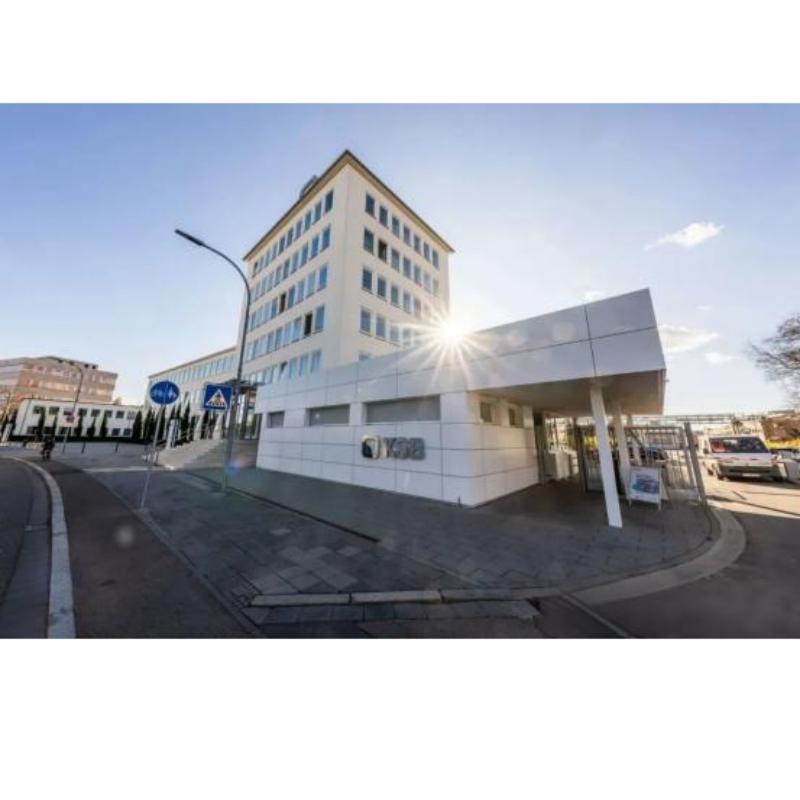
KSB, a global leader in pump and valve solutions, has achieved another milestone by securing a major order worth over €150 million, setting a new single transaction record since the company's inception. This order originates from a nuclear power plant in Eastern Europe, with KSB's energy division supplying eight reactor primary coolant pumps. Each pump weighs over 100 tons and has a rated power output of 8 megawatts, to be manufactured at KSB's headquarters facility in Frankenfurt, Germany. The contract encompasses not only core equipment supply but also comprehensive testing services, marking the largest single order in KSB's development history. As the "heart component" of a nuclear power plant, the main coolant pump is responsible for driving the coolant circulation and diverting fission thermal energy. This project will strongly support Europe's clean energy transition, enhancing energy security and independence. Through technological innovation and deep industry expertise, KSB is steadily consolidating its leadership in the global power plant pump market while advancing a clear growth strategy.
Read More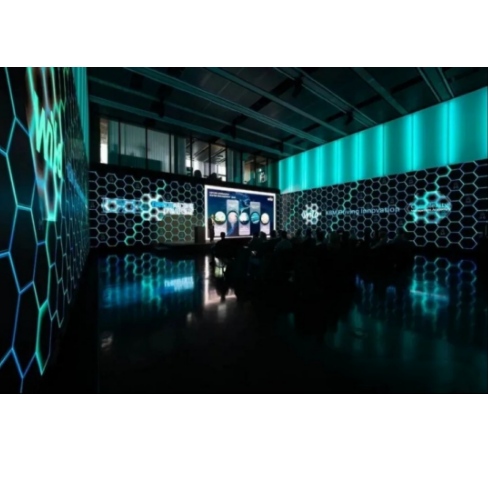
Four-time consecutive championship! Wilo is honored as a global 'Successful Practice Enterprise' again, with its innovation capability certified by international authorities In the 2025 Consortium Benchmarking Study, a collaborative initiative by RWTH Aachen University and global industry leaders, Wilo Group has once again distinguished itself among numerous enterprises worldwide, securing the prestigious title of 'Successful Practice Company' for the fourth consecutive year. Since 2022, wilo has maintained this certification for four consecutive years, establishing industry benchmarks in digital product development (2022), sustainable development (2023), and artificial intelligence (AI) (2024). This year, the research, themed 'Driving Innovation: The Key to Global Competitive Success,' once again highlights wilo's success in making innovation its core strategy. Gathering of Elite, Discussing the Way of Innovation A standout feature of this study was the gathering of five selected 'successful practice enterprises' at Wilopark in Dortmund, Germany, for an in-depth exchange on successful innovation methodologies. Partners including Siemens, Endress+Hauser, and Vaillant were also present, jointly exploring how to forge and sustain robust innovation capabilities in global competition. Innovation is not the goal but the responsibility At the event's opening, Mr.Georg Weber, Global Chief Technology Officer (CTO) of Wilo Group, delivered a keynote speech. He stressed:' For us, innovation is not an end goal but the cornerstone of sustainable competitiveness. In today's globalized world, technological excellence, digitalization, and the responsible use of artificial intelligence must advance in tandem. Our vision is to develop innovations that create real added value and always put people at the centre – whether our customers, society or future generations. ——Georg Weber Member of the Executive Board and Chief Technology Officer of Wilo Group 150 Years of Unchanged Commitment, AI Empowers Water Future This human-centered commitment stems from Wilo's 150-year legacy. For over a century, Wilo has been committed to improving global living standards through its products and solutions, ensuring access to clean water. Today, this commitment is being revitalized through cutting-edge technology. A prime example is the newly launched "Wilo Global Water AI Academy" by wilo, which aims to deeply integrate water resource management, advanced science, and artificial intelligence to cultivate future-ready professionals and drive intelligent transformation in the water industry. From concept to practice, Wilo's innovative panorama During the subsequent panel discussions, attendees gained in-depth insights into Wilo's end-to-end innovation ecosystem, covering its efficient management framework, proven best practices, and rigorous IP strategy. The event culminated with a factory tour at Wilo's campus, where guests witnessed firsthand how these innovative concepts are translated into tangible productivity. Innovation is the key to open the door to the future Wilo Group's commitment to innovation is never a one-off short-term initiative, but rather a strategic investment that shapes long-term competitiveness, corporate resilience, and sustainable growth. It also forms a core component of the company's social responsibility. As this research phase concludes in March 2026, wilo will remain steadfast on its innovation journey—working with powerful partners to transform innovation, the key success factor, into a powerful force driving progress in the global water sector, guided by a clear vision for the future.
Read More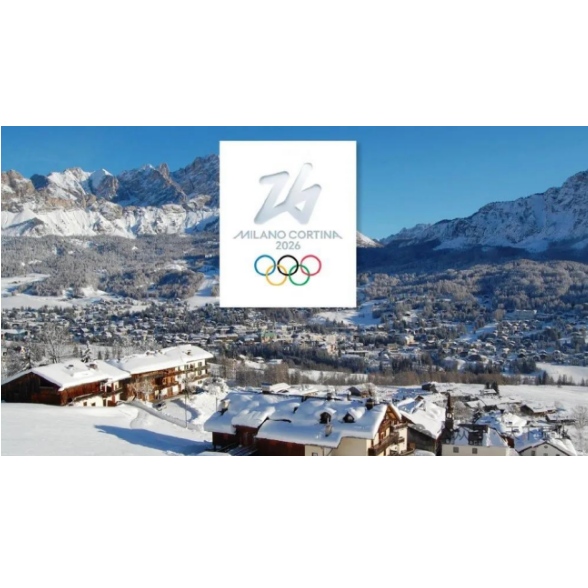
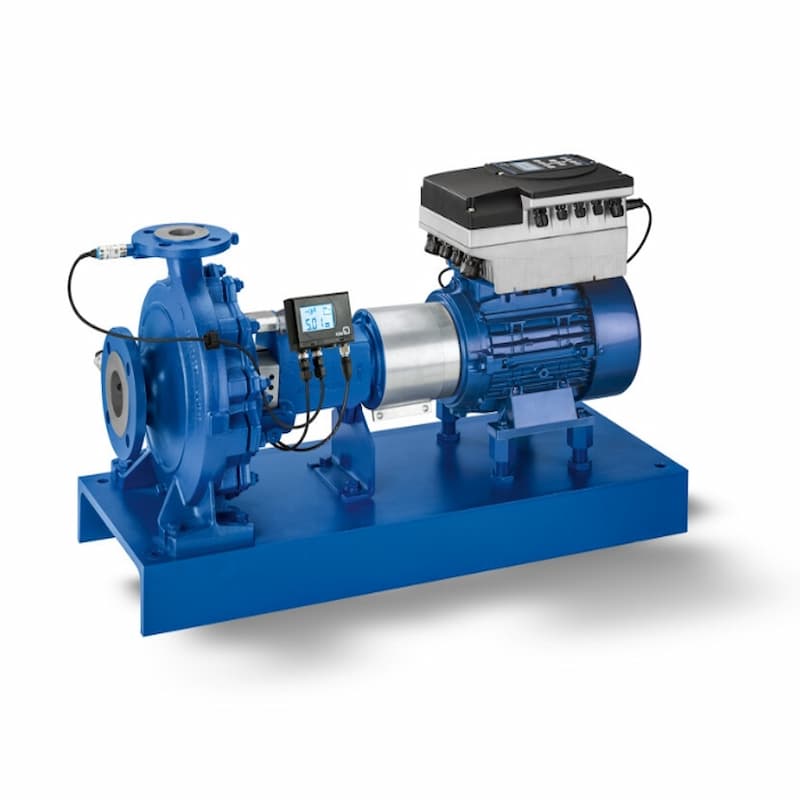
Dreaming of ice and snow! Wilo pump solutions power sustainable momentum for the 2026 Milan-Cortina Winter Olympics The 2026 Winter Olympics in Cortina d 'Ampezzo, Italy, was successfully held from February 6 to 22. This marked the third time Italy hosted the Winter Olympics and the first time Cortina d' Ampezzo had hosted the event in 70 years. The Winter Olympics adopted a historic 'decentralized hosting' model, with events spread across four major regions: Milan, Valtellina, Cortina, and the Fiume Valley. Covering over 22,000 square kilometers in northern Italy, the Games saw participation from approximately 2,900 athletes representing 93 delegations. In the end, Norway topped the gold medal table with 18 golds, 12 silvers, and 11 bronzes, while the host country Italy ranked fourth with 10 golds, 6 silvers, and 14 bronzes, achieving its best performance since 1994; the China delegation set a new record for its best overseas performance with 5 golds, 4 silvers, and 6 bronzes! How could such a grand sports event with multiple venues be without the water system's' powerful heart'—the pumps? As highlighted in multiple reports from the 2022 Beijing Winter Olympics, Wilo Pumps delivered efficient, reliable, and customized pump solutions for critical infrastructure including ice-making and heat recovery systems in ice venues, snow-making water supply systems in snow venues, and cloud data centers supporting event operations. This showcased the company's commitment to' German quality with energy efficiency' in top-tier sporting events. At the Milan-Cortina Winter Olympics, Wilo partnered with ISP, an industrial solutions provider, to deliver multiple pump module sets featuring the Wilo-Atmos GIGA-I product. These high-efficiency pump systems played a pivotal role behind the scenes, providing robust support for the Olympic infrastructure. You've probably noticed—where's that familiar shade of 'Weilu Green' gone? This product line was specially customized to meet the client's requirements, with all' Weilu Green' units replaced by blue paint. Rest assured, despite the new blue exterior, they remain 100% Weilu quality. The core values of German craftsmanship, energy efficiency, and digital innovation remain unchanged! For Wilo, this is not merely a product delivery, but a declaration. The 2026 Milan-Cortina Winter Olympics consistently emphasizes energy efficiency, adaptive reuse, and eco-friendly solutions. Wilo's technology is contributing to the creation of this sustainable Olympic vision!
Read More




 IPv6 network supported.