


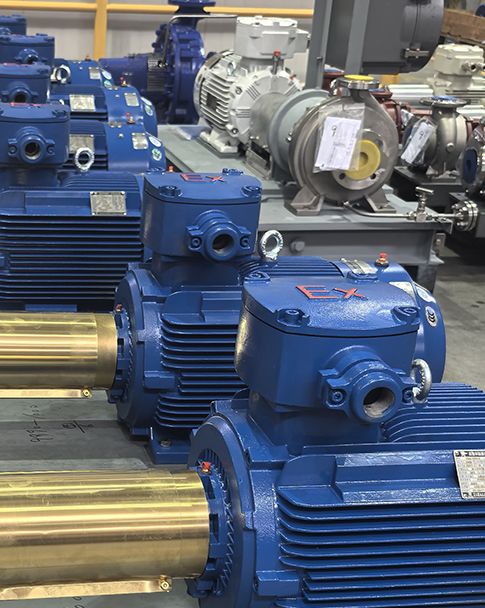
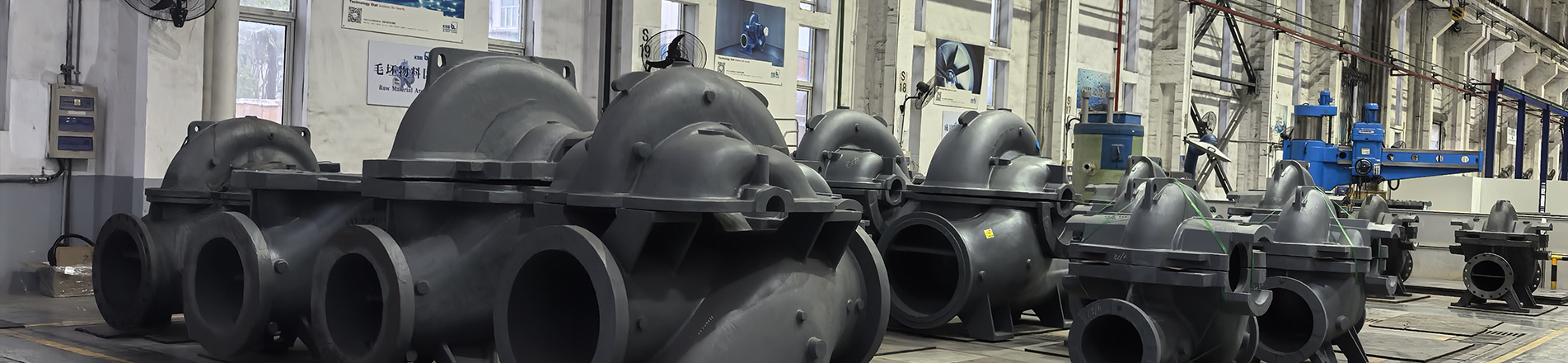
KSB Shanghai Chemical Engineering Pump Factory
The new paint workshop has officially commenced operations.
Before a pump reaches its customer, it must undergo numerous less visible processes: cleaning, drying, protection, coating, and subsequent drying.
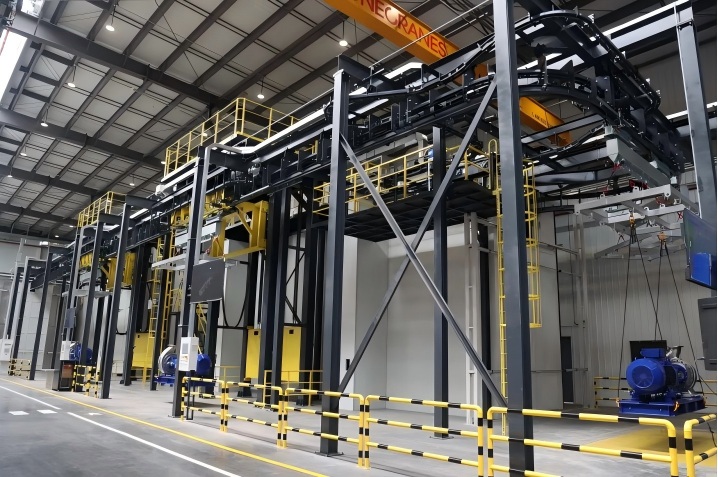
Although painting occurs in the later stage of the manufacturing process, it critically impacts process compatibility across different projects, production rhythm, and product surface quality.
Recently, the ribbon-cutting ceremony for the painting workshop of KSB Shanghai Chemical Engineering Pump Factory was successfully held. Dr. Stephan Bross, Executive Director and Chief Technology Officer of KSB Group; Mr.Dong Jianwei, Vice President of KSB North Asia and Head of Financial Control at KSB, as well as Chief Financial Officer of KSB Shanghai; and Mr.Zhu Jiongyi, General Manager of KSB Shanghai Pump, jointly attended the ceremony and cut the ribbon.
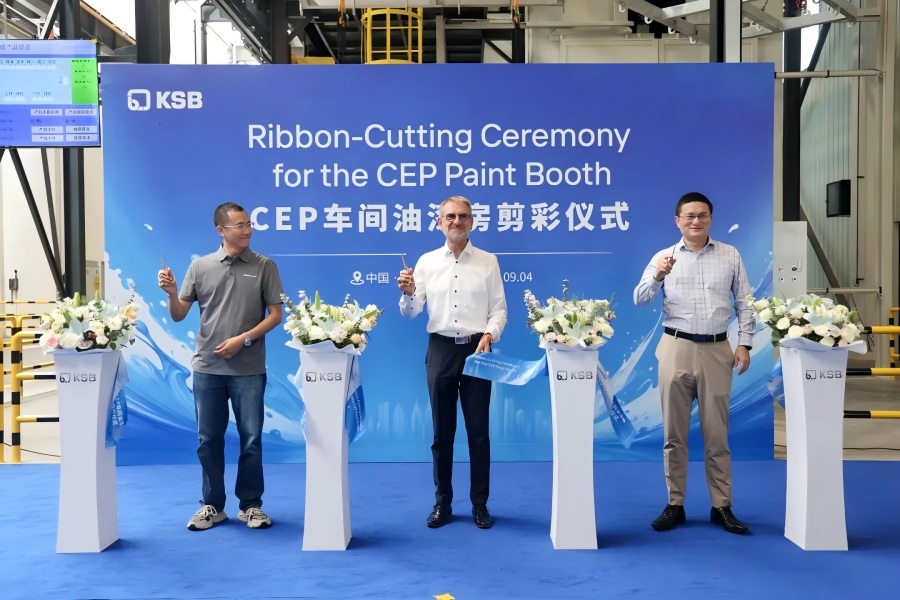
The new paint workshop has officially commenced operations. The changes it has brought about begin with a key figure: annual production capacity has increased from 3,000 sets during the initial phase of operation to 5,000 sets under dual-shift operation, with additional expansion capacity reserved for future growth.
Beyond production capacity, it also keeps pace with diverse projects.
For different products and projects, painting is not a fixed process. When product types, project requirements, or production rhythms change, the painting process must also maintain sufficient flexibility.
The new paint shop is equipped with a 5-ton automatic circulating storage chain, which allows for flexible switching of models, processes, and color codes based on production requirements. Designed to meet the specifications of projects—including API 610, offshore engineering, power grid, and high-end chemical applications—this setup further enhances production adaptability. This exemplifies the practical implementation of "flexible production" within KSB's manufacturing facilities.
Make more processes controllable and traceable
In addition to increasing production capacity, the new paint workshop has further enhanced the automation and digitalized control of its production processes.
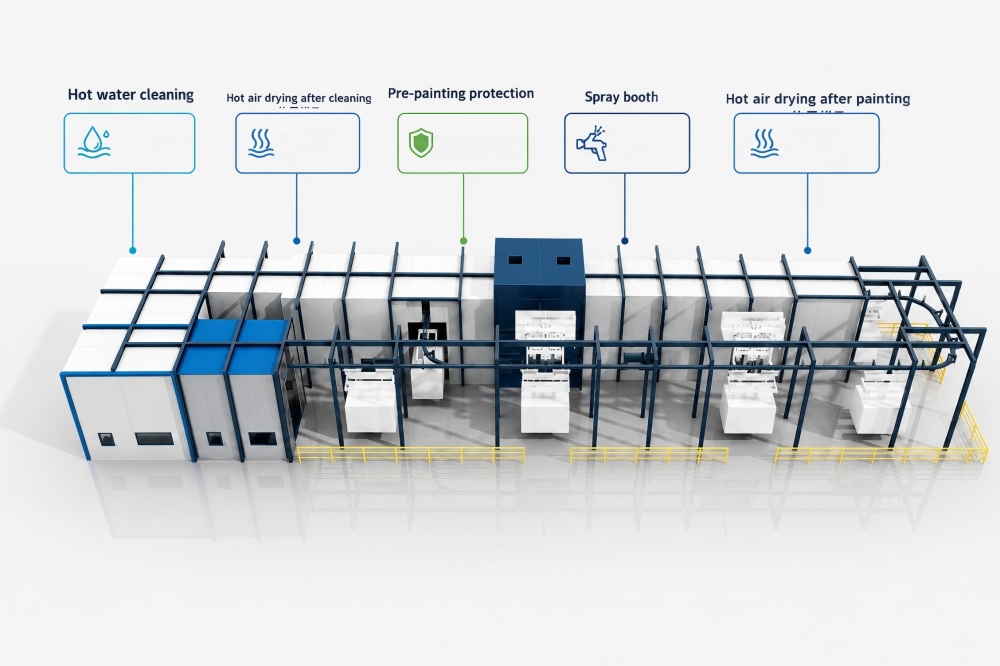
From degreasing and drying to temperature, humidity, and paint mixing processes, multiple critical stages have been automated; meanwhile, by integrating MES and RFID systems, the production process has been made traceable, thereby providing robust support for project quality management and delivery.
For KSB, digitalization in industrial manufacturing goes beyond simply adding another screen or a new set of systems. More importantly, it involves capturing data from a wider range of process steps that previously occurred on the production floor, thereby making critical stages easier to control and more readily traceable.
Manufacturing upgrades also encompass the working environment.
The new paint workshop also integrates green factory initiatives with improvements to production methods. The project employs dry spray coating technology and utilizes automation to further reduce labor intensity in certain operational stages while enhancing working conditions for personnel.
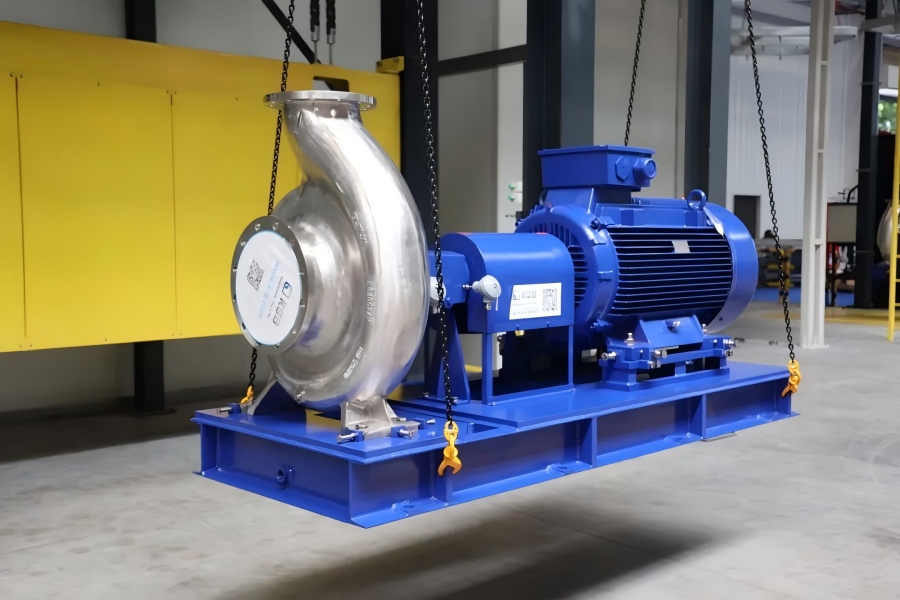
Consequently, the shift from 3,000 to 5,000 represents more than just a change in production capacity. More flexible production organization, finer process control, and operational practices that better align with the objectives of green factory construction are all being progressively implemented within the new coating process phase.
A paint booth alone does not determine the performance of a pump. However, whether a product can complete each manufacturing step according to the requirements of different projects—and ultimately reach the customer as planned—depends on the synergy among every link in the entire manufacturing chain.
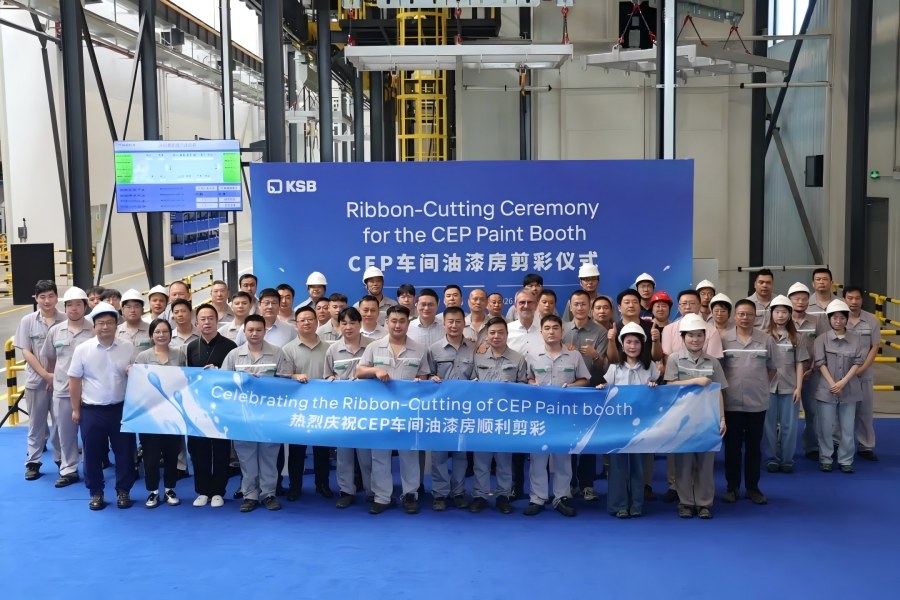
The commissioning of the new painting workshop at the chemical pump manufacturing plant marks another step forward for KSB Shanghai in advancing flexible production, digital process management, and manufacturing capability development.



 IPv6 network supported.