


Wilo Solar Pump Irrigation Technology Boosts Food Security and Sustainable Agriculture
Wilo Solar Pump Irrigation Technology Boosts Food Security and Sustainable Agriculture
In the vast rural areas of Indonesia, agriculture is the foundation of countless families.
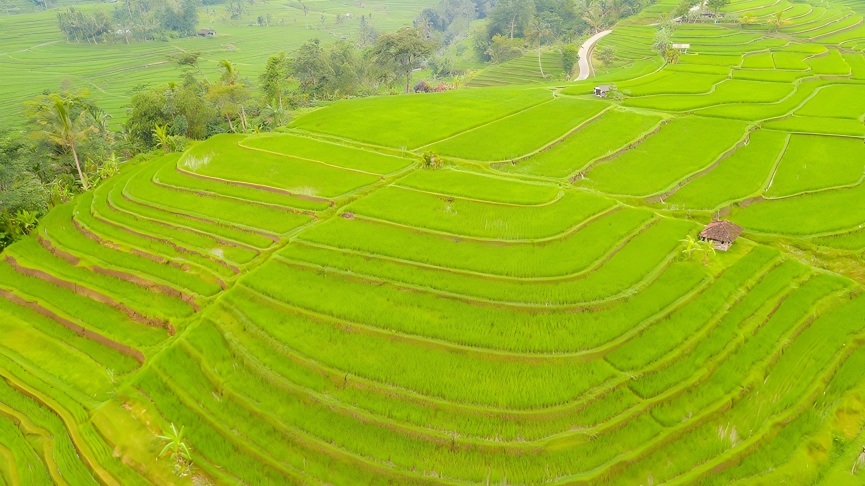
However, challenges like aging infrastructure, unstable power grids, and water scarcity during dry seasons have long hindered efficient irrigation in farmlands, severely impacting farmers' harvests and livelihoods. This is particularly evident in Karang Raja village of South Sumatra Province, where villagers once relied solely on the monsoon season for rice cultivation. Even when attempting two-season farming, they often ended up with no harvest due to water shortages.
Now, this situation is being completely changed...
Wilo Solar Pump Irrigation Technology Facilitates Sustainable Agricul–tural Development
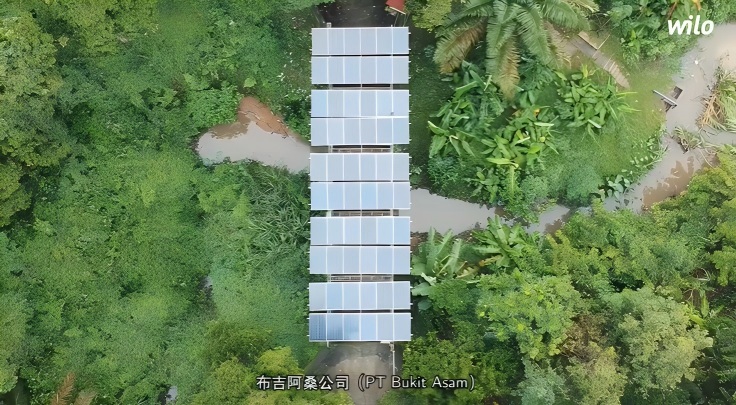
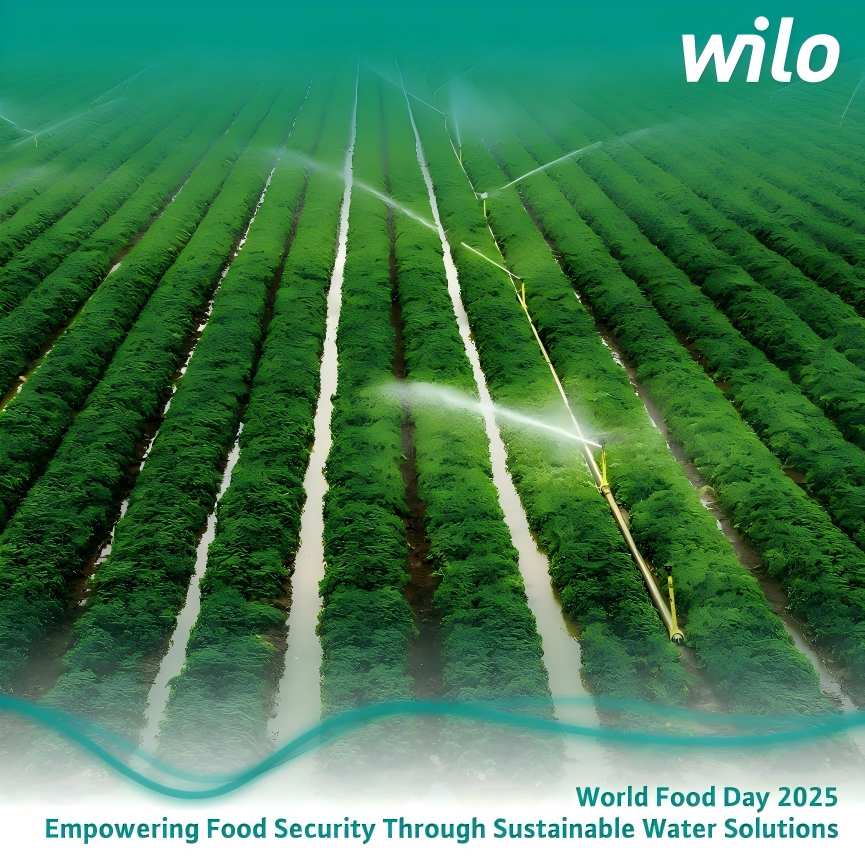
With corporate social responsibility (CSR) support from PT Bukit Asam Tbk, the Wilo Indonesia team partnered with local communities to implement a solar-powered smart irrigation system (PLTS). This project not only ensures year-round water supply for 35 hectares of rice fields in Karang Lajah Village but also enables villagers to achieve two to three annual harvests, significantly enhancing food security and economic income.
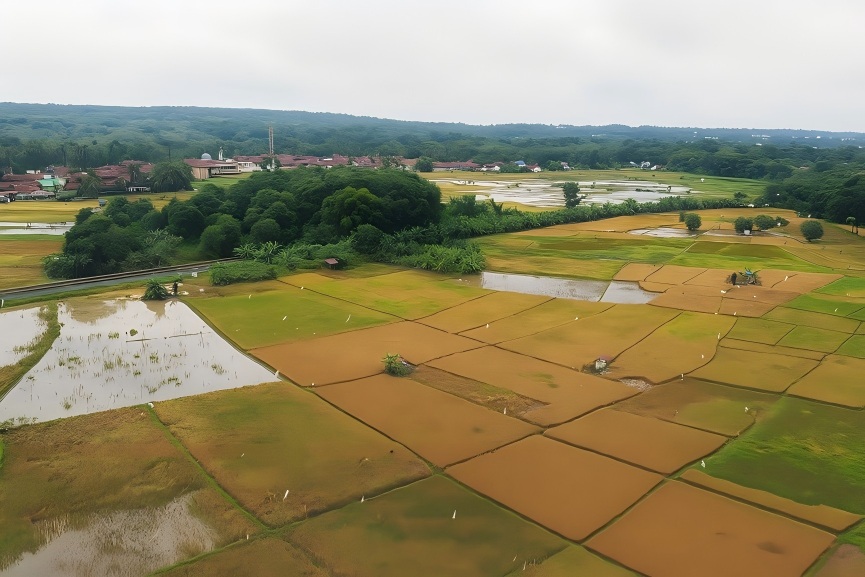
From "Relying on the Weather" to "Sunshine Empowerment"
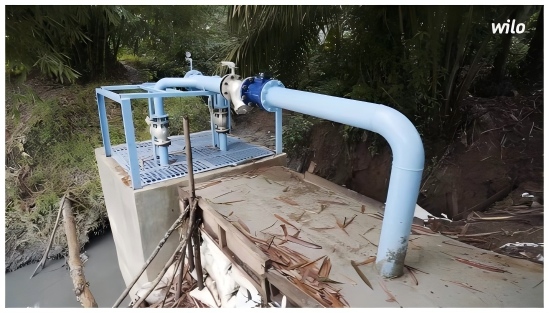
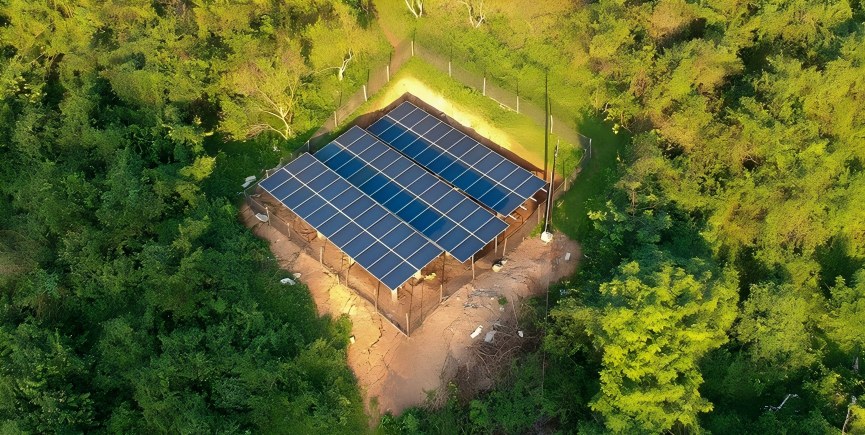
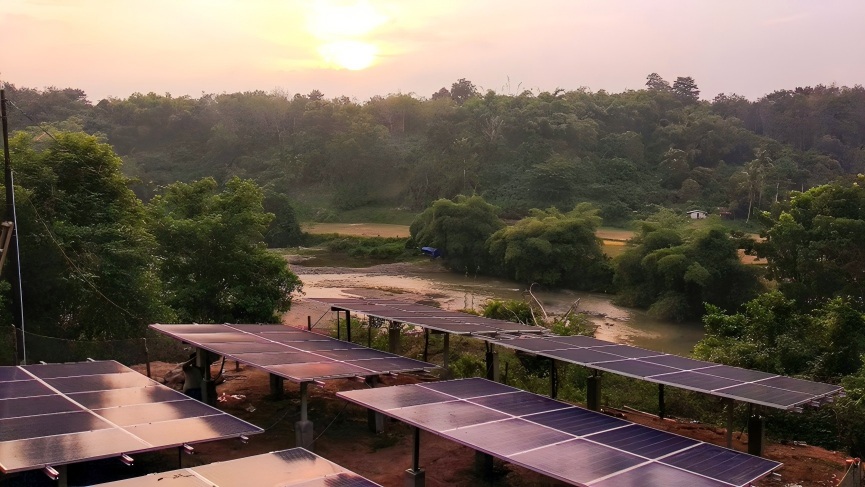
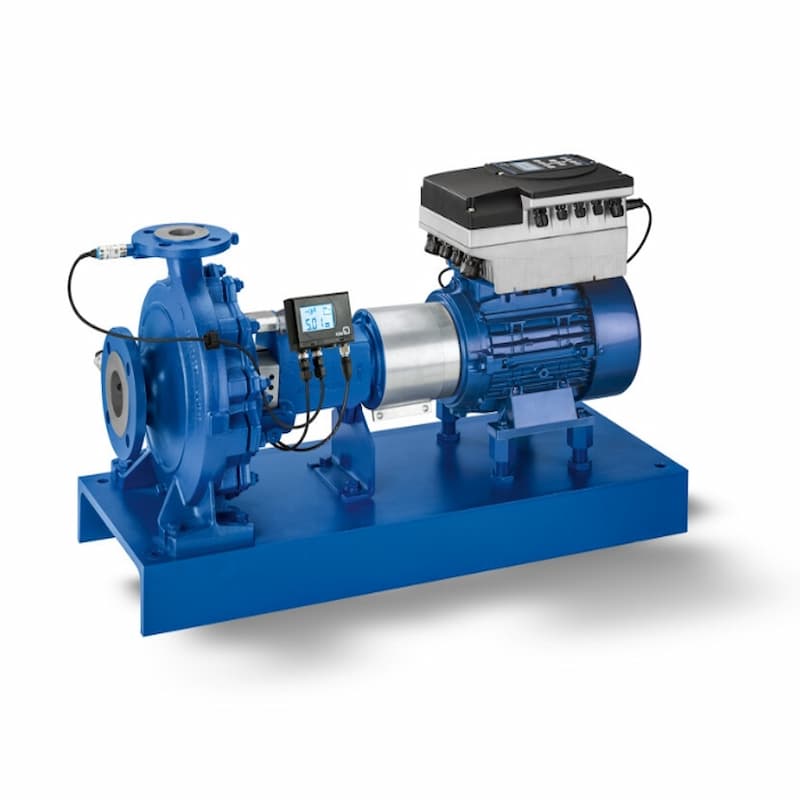
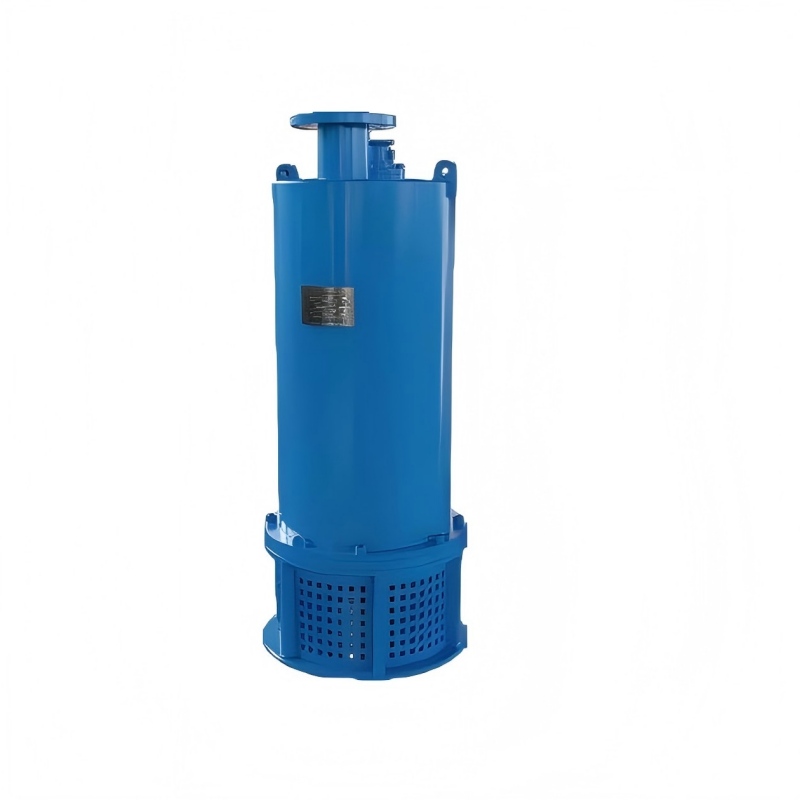
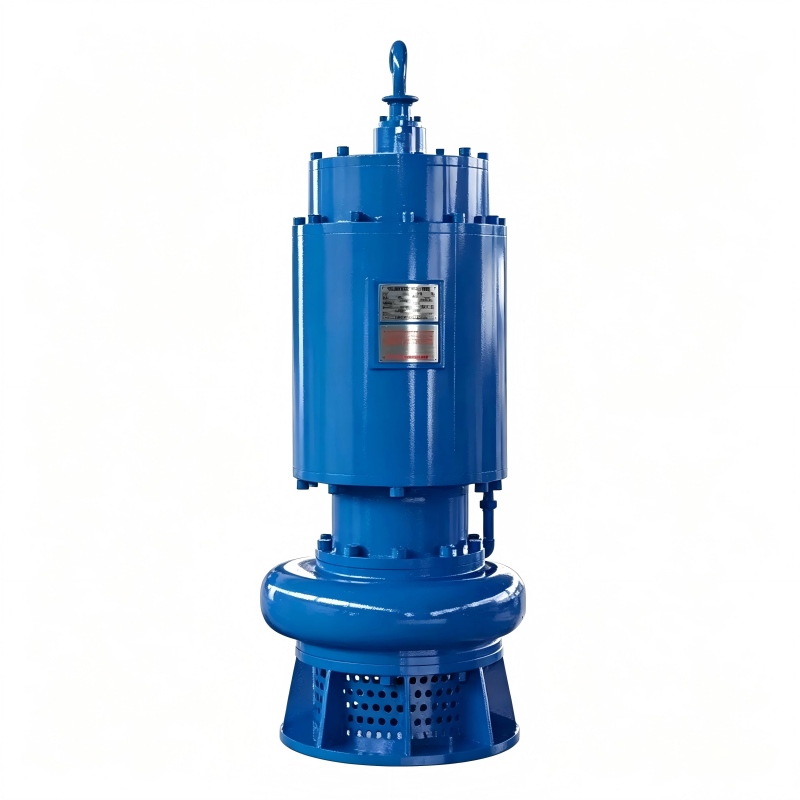
Located in a remote area with inadequate power grid coverage, Karangraj village struggled with unstable operation of traditional electric pumps. To address this challenge, Weiluo provided a complete solar-powered irrigation pump solution, featuring high-efficiency solar pumps, smart control systems, and supporting civil engineering works. The system operates entirely without municipal power, harnessing abundant local sunlight to drive the pumps and deliver river water or groundwater precisely to every farmland.
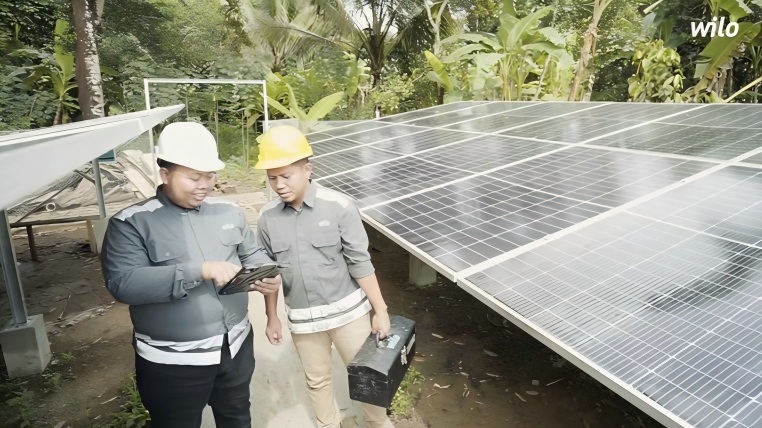
"Thank God, thanks to this solar power system, we can now cultivate our rice fields twice a year, or even three times," said an excited local villager.
This not only showcases Welle's cutting-edge water pump technology and irrigation solutions, but also vividly embodies the concept of' sustainable development'.
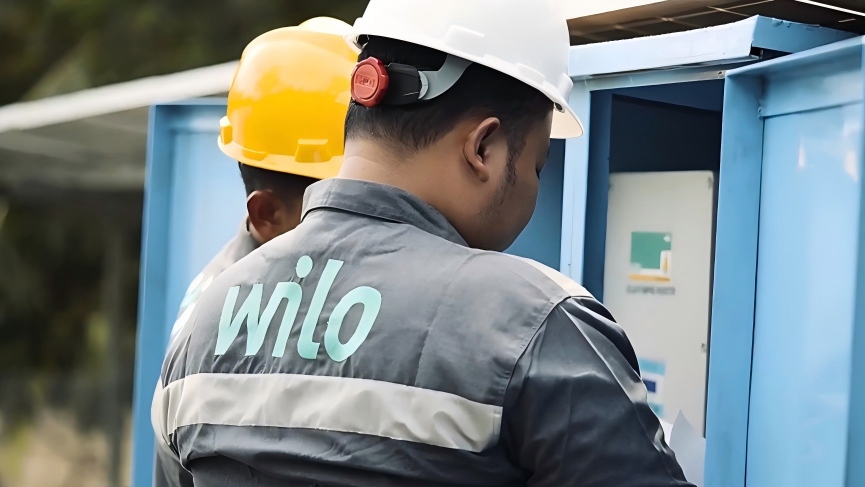
Wilo Intelligence: Injecting Resilience into Indonesian Agriculture
Wilo fully understands that in Southeast Asia's climate with frequent changes and uneven infrastructure, agricultural irrigation cannot rely solely on' water availability 'but requires a systematic solution that is' reliable, efficient, energy-saving, and easy to maintain.' To address this, our solar pump systems, widely deployed across multiple locations in Indonesia, feature modular design and smart control technology, offering the following core advantages:
✅Energy independence: no reliance on the grid, especially in remote rural areas
✅Stable water supply: Irrigation flows are maintained even in dry seasons, preventing crop wilting
✅Water-efficient: Reduce water waste through precision control, using every drop of water where it counts
✅Low O&M cost: Solar system has long life, quiet operation and easy maintenance
✅Community empowerment: Wilo also organized specialized training to guide villagers in operating and maintaining the equipment, ensuring the system's long-term effective operation.
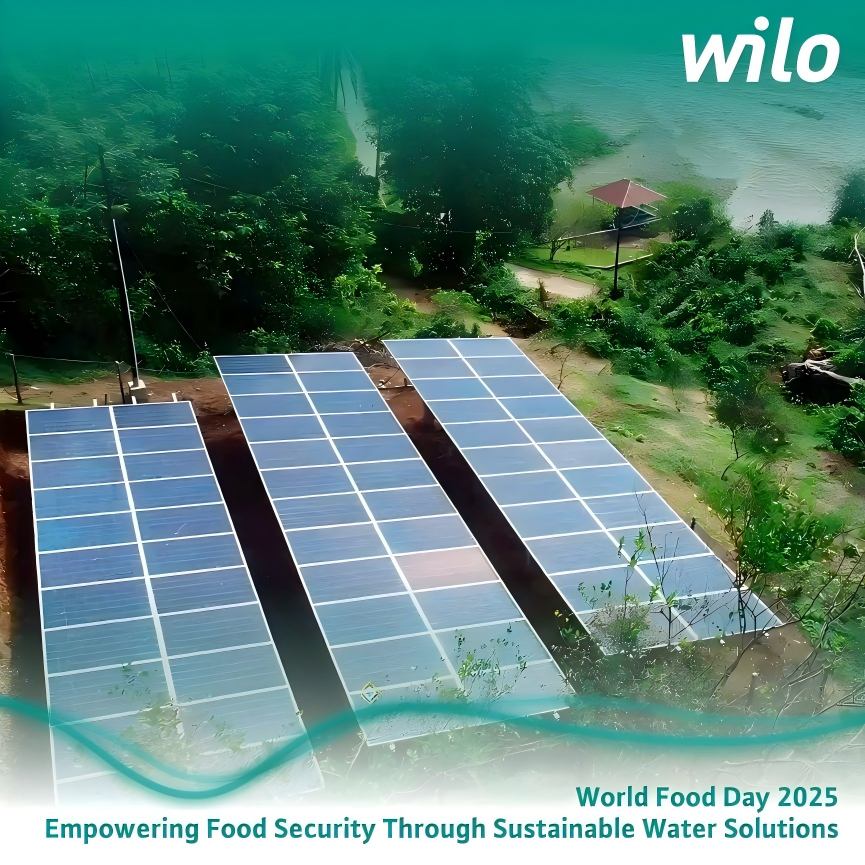
As championed by Wilo's global Water Responsibility initiative, sustainable food production begins with responsible water management. The Karangraj project exemplifies this principle at the grassroots level.
"We are proud of this comprehensive solution," said the Wilo Indonesia team. "This is not just a delivery of equipment, but a long-term investment in agricultural resilience, community well-being, and national food security."
From one village to the whole country:
A Replicable Model of Green Agriculture
The success story of Karang Lajah has become a benchmark for other agricultural regions in Indonesia to emulate. Wilo has implemented similar solar-powered irrigation systems across multiple provinces, helping farmers overcome the challenge of weather-dependent farming. As climate change intensifies and water scarcity grows, such clean energy-driven smart agricultural infrastructure will become a crucial pillar in ensuring food security in Southeast Asia.



 IPv6 network supported.