


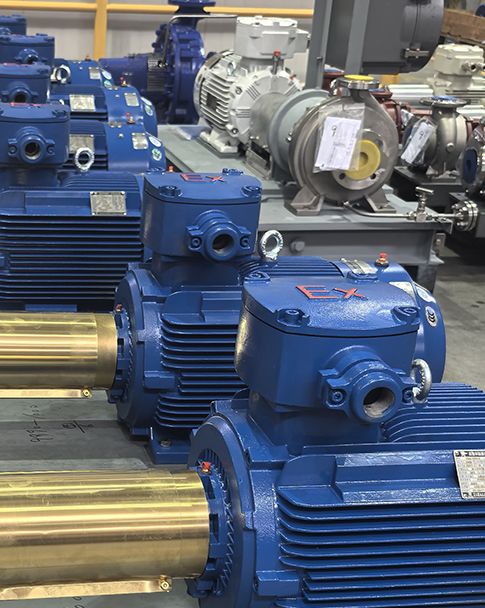
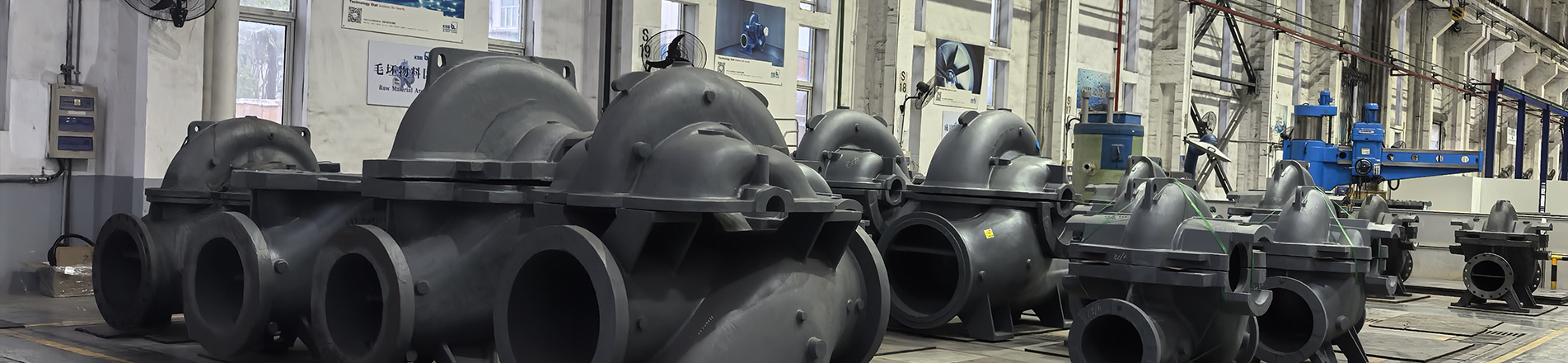
Industrial sealing materials with varying hardness levels
Sealing materials are a critical industrial material used to prevent the leakage of gases, liquids, or other substances, widely applied in various fields such as construction, automotive, aerospace, electronics, and chemical industries.
The core function of seals is to create a barrier between two contact surfaces, preventing the leakage of media or the intrusion of external contaminants. They must withstand high-speed motion and friction, handle complex sealing media, and encompass a wide variety of seal materials.
Common types of sealing materials
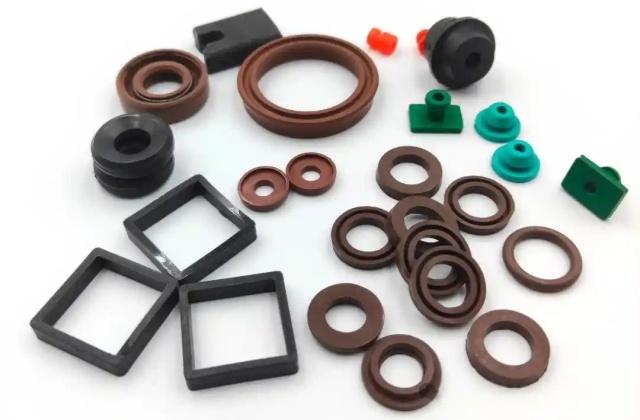
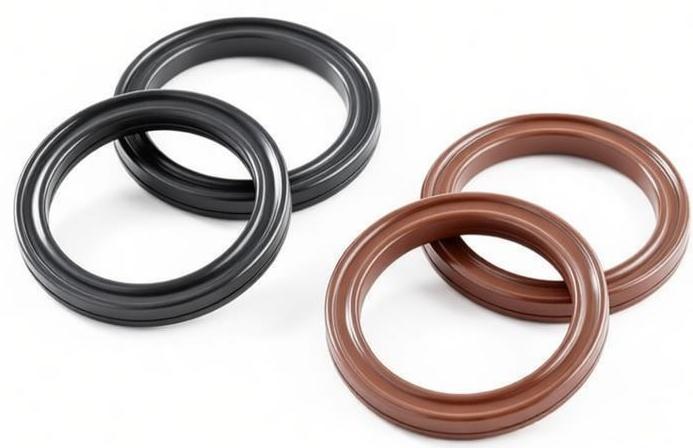
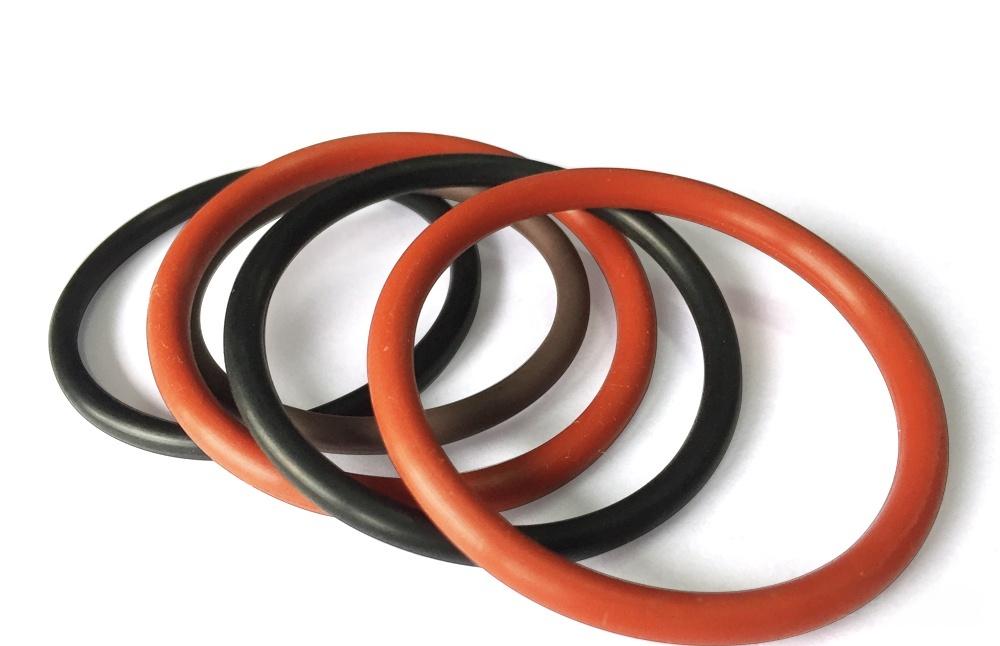
Elastic sealing products are made of materials such as rubber and plastic, which use the elasticity of the material to fill the micro unevenness of the sealing surface, forming a tight fit and suitable for sealing needs of various irregular shapes.
Rubber: Silicone rubber can maintain elasticity at high temperatures, making it the preferred choice for extreme temperature scenarios. Fluororubber has become the preferred choice for chemical equipment due to its chemical corrosion resistance. Nitrile rubber has excellent wear resistance and oil resistance, and is commonly used in fuel and hydraulic oil environments; EPDM rubber is weather resistant and resistant to polar solvents, commonly used in radiators and cooling water systems.
Plastic: Polytetrafluoroethylene is corrosion-resistant and has an extremely low coefficient of friction, suitable for strong acid and alkali environments. It is often made into gaskets, retaining rings, or wrapping structures.
Metal sealing products
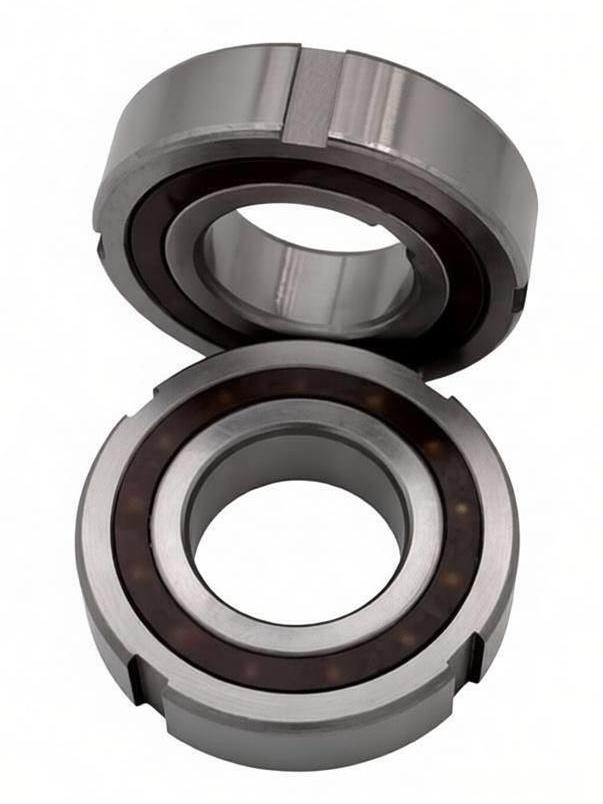
Hard sealing products are made of materials such as aluminum, alloy, stainless steel, etc. Due to their high density, high strength, and pressure resistance, they achieve a tight fit between hard materials under pressure, which is suitable for the strong sealing requirements of large equipment.
Lead plates, due to their flexibility and high density, can effectively block radiation and gas permeation with aluminum sealing rings; Stainless steel is widely used for sealing high-pressure vessels due to its corrosion resistance and high strength.
Composite seals
 |
 |
 |
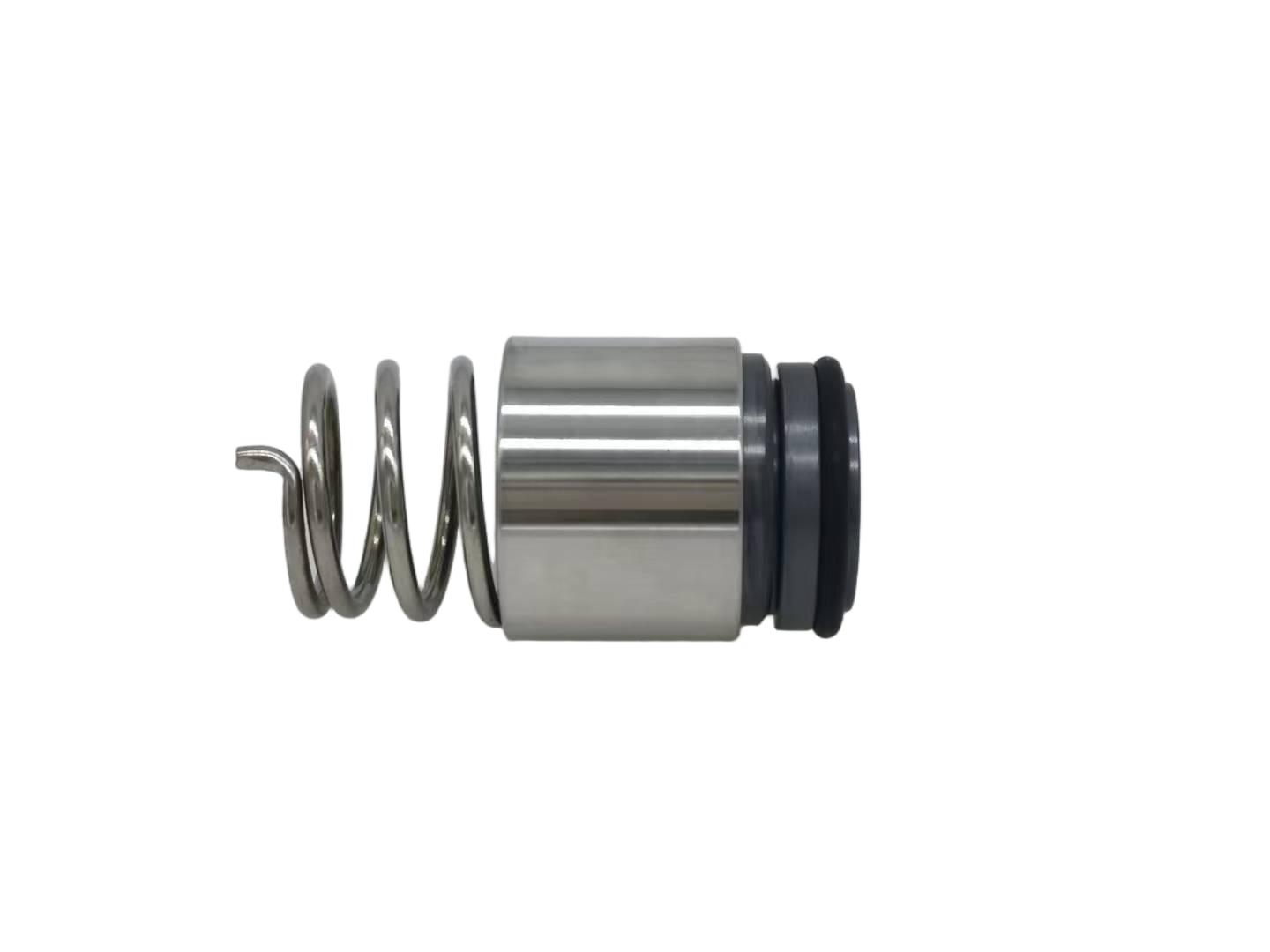 |
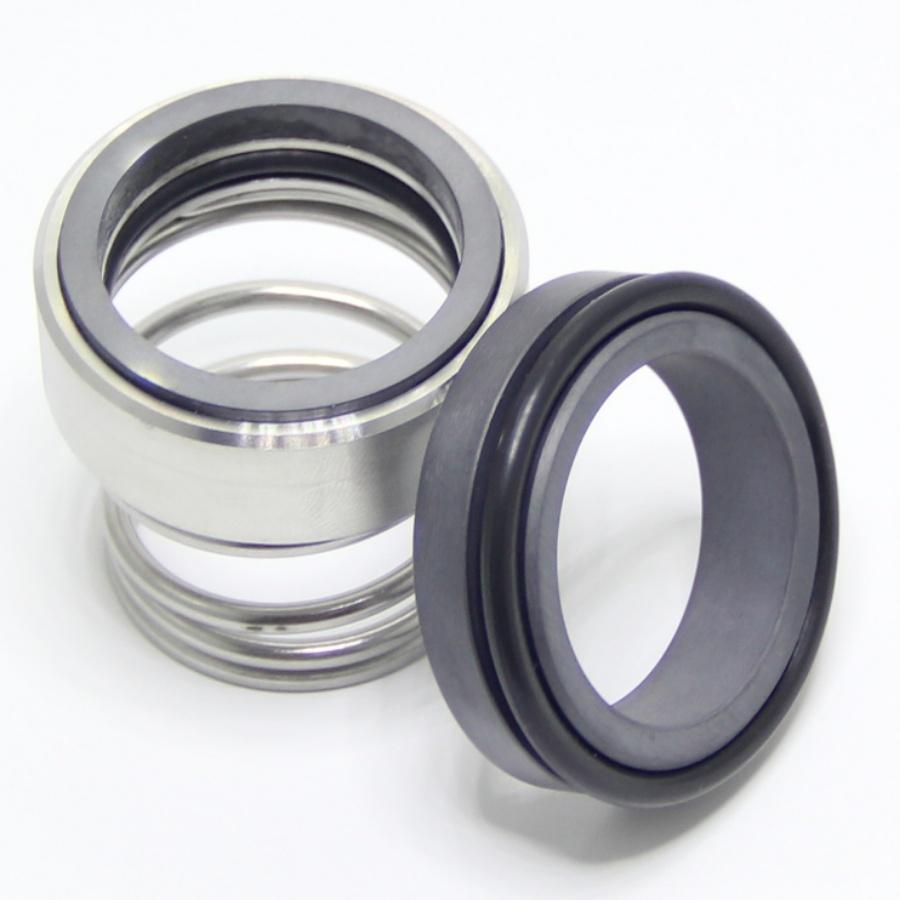
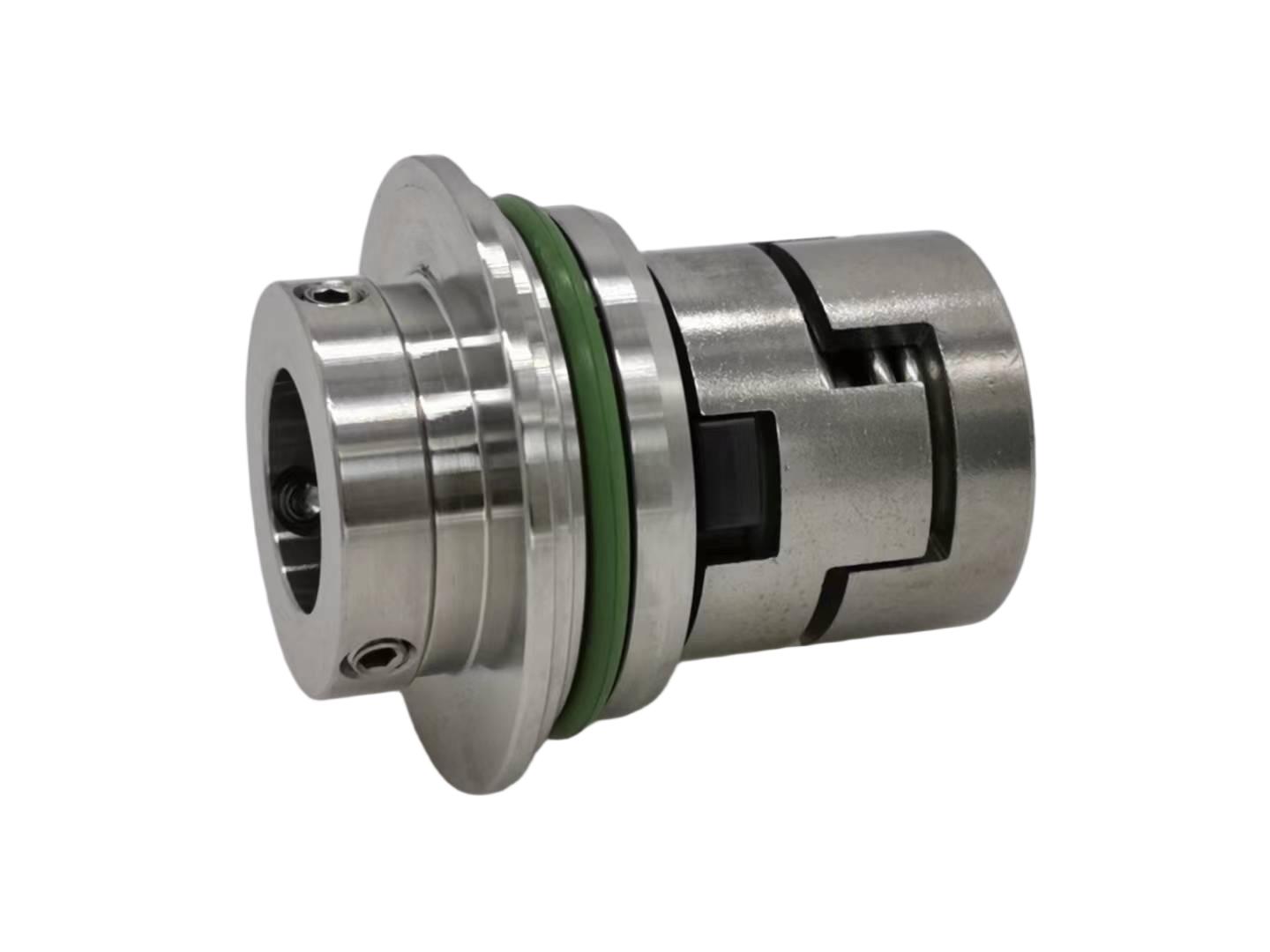
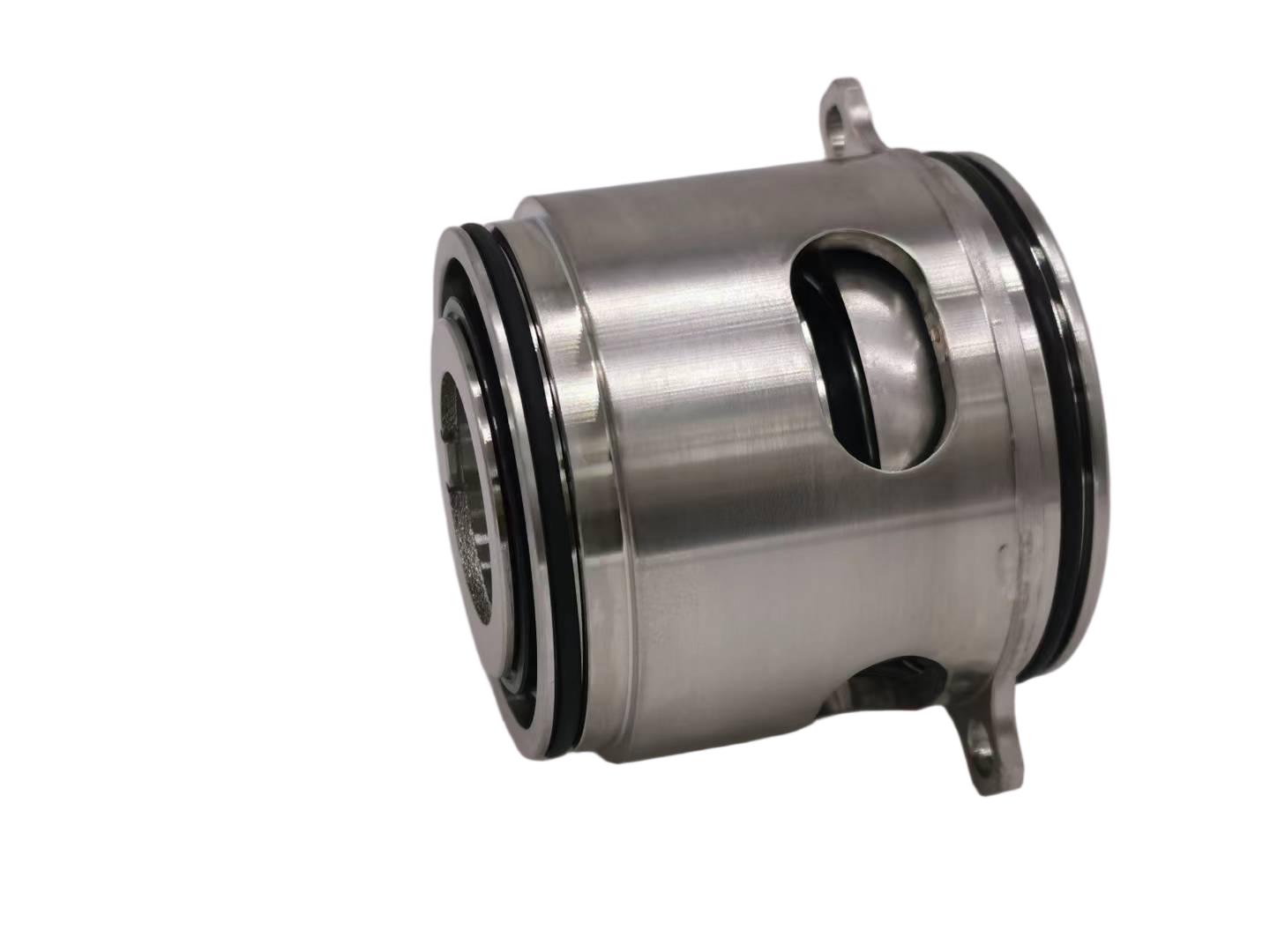
But materials are just the foundation, and often we choose composite seals based on the customer's equipment type, working medium, and installation space.
For example, in hydraulic cylinders used in metallurgy or engineering machinery, where high pressure and high temperature coexist, it is necessary to use a combination of multiple materials for sealing, such as composite seals made of rubber and metal. These seals have both the elasticity of rubber and the strength and corrosion resistance of metal, making them suitable for sealing requirements in complex working conditions.
How long can various seals be used?
Generally speaking, high-quality seals may have a service life of around 5 to 10 years under normal usage conditions. This is because high-quality rubber materials have good aging resistance, wear resistance, and corrosion resistance.
The service life of seals is a relative concept that varies depending on factors such as material properties, usage environment, working pressure, oil temperature, retaining ring size, fatigue condition, etc.
 |
 |
The material determines the basic lifespan
Firstly, it is the quality of the materials. High quality sealing materials can resist more wear and corrosion, thereby extending their service life.
Ordinary rubber: Low cost, but poor aging resistance, may show signs of aging such as hardening and cracking after 3-5 years. It may only last for 2-3 years in harsh environments.
High quality silica gel: using high-purity raw materials and anti-aging additives, it has high temperature resistance and UV resistance, and its service life can reach more than 8-10 years.
Fluororubber: Under ideal conditions, its lifespan can reach 8 to 10 years; If exposed to high temperature, high pressure, or corrosive media for a long time, the lifespan may be shortened to 3 to 5 years.
Ethylene propylene diene monomer: Under normal usage conditions, its lifespan can reach 10 to 15 years; But in the working conditions of frequent vibration and temperature difference changes in the car, it is usually recommended to inspect and replace it every 3 to 5 years.
Nitrile rubber: Good oil resistance, commonly used in industrial seals, with a shelf life of about 6 years. In actual use, the replacement cycle needs to be adjusted according to the medium and temperature.
Environmental accelerated aging
If the sealing ring is in a harsh working environment, such as high temperature, high pressure, strong acid and alkali corrosive media environment, or frequent stretching, compression, friction and other working conditions, its service life will be significantly shortened.
1. In high temperature environments, seals will accelerate aging, which may lead to aging and failure of the sealing ring within 2-3 years;
2.In highly corrosive media, the material of the seal will be rapidly corroded, and its service life may only be 1 to 2 years.
3.Exposure to ultraviolet radiation, ozone, and extreme temperature and humidity may shorten the lifespan to 3-5 years.
4. Long term exposure to oils, acidic and alkaline solvents can accelerate the aging rate of seals, especially silicone that is not resistant to strong acids and oils, which may cause expansion and deformation. It needs to be replaced after 2-4 years of use.
5. Mechanical wear: Static seals experience less stress and have a longer lifespan. Dynamic seals: Frequent compression and friction may shorten their lifespan to 1-3 years.
6. UV damage and frequent alternation of heat and cold can accelerate material fatigue.
7. Improper installation of the sealing ring, misplaced installation leading to excessive local stretching, and tight installation causing deformation of the sealing ring, will accelerate the wear and aging of the sealing ring and shorten its service life.




 IPv6 network supported.