


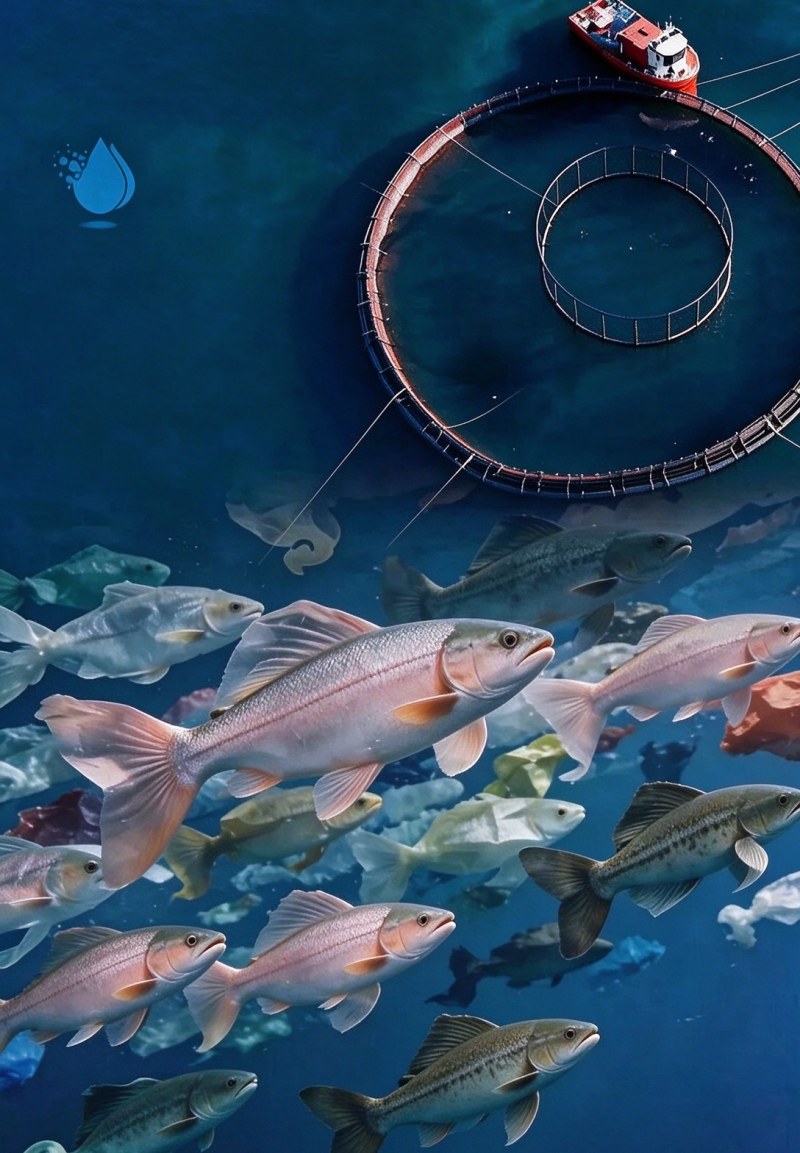
In modern aquaculture, what truly determines survival is the uninterrupted flow of water.
When it comes to aquaculture, most people immediately think of fish ponds, fingerlings, and scheduled feeding.
However, what truly determines whether an aquaculture operation can operate stably and generate profits often lies in areas that go unnoticed—such as the pump house, the water treatment room, and the UV disinfection zone.
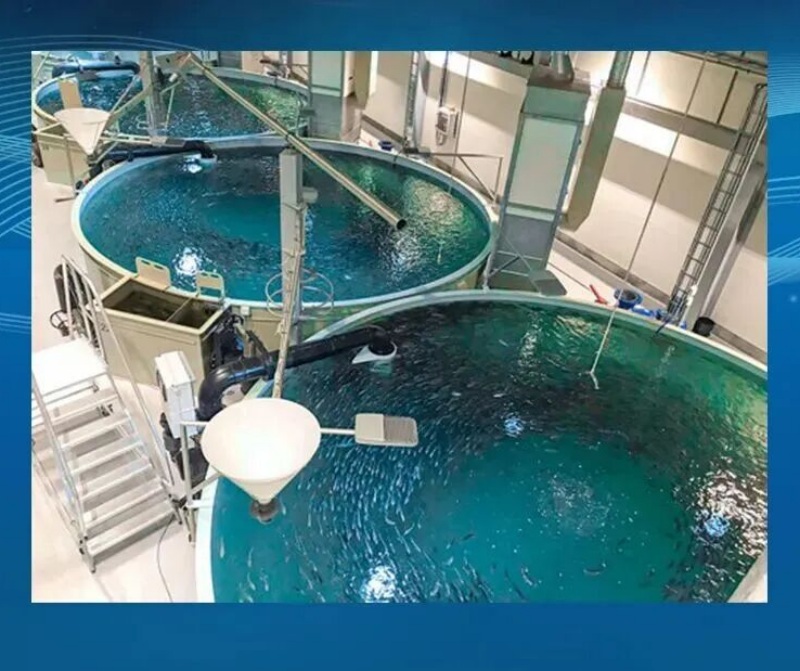
Today, we enter the technical core zone of the DESMI Cooperative Farm. While there are no fish here, every stream of water entering the fish ponds must first pass through this area.
01 Centrifugal pump
The "heart" of the entire factory
One stop can lead to an accident.
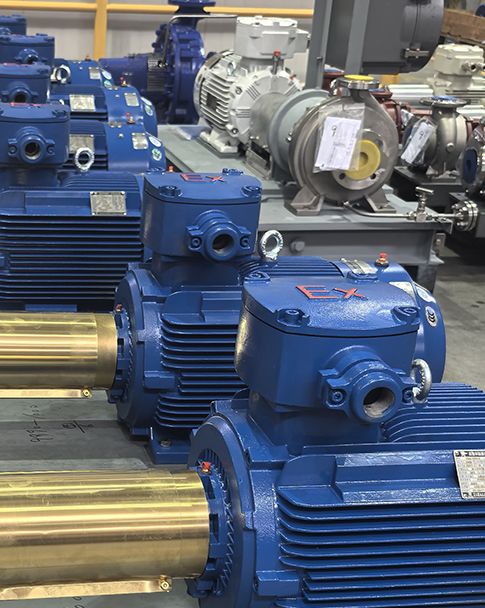
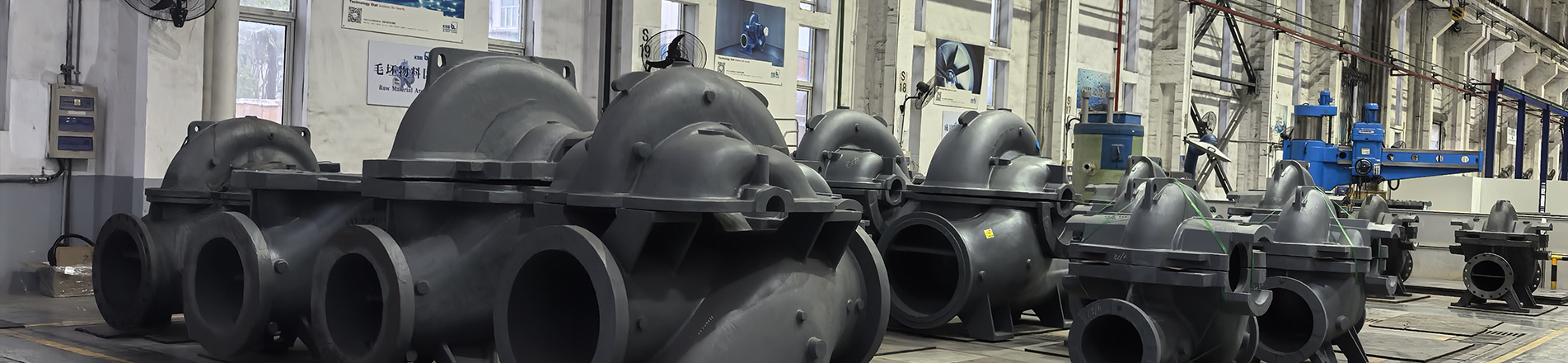
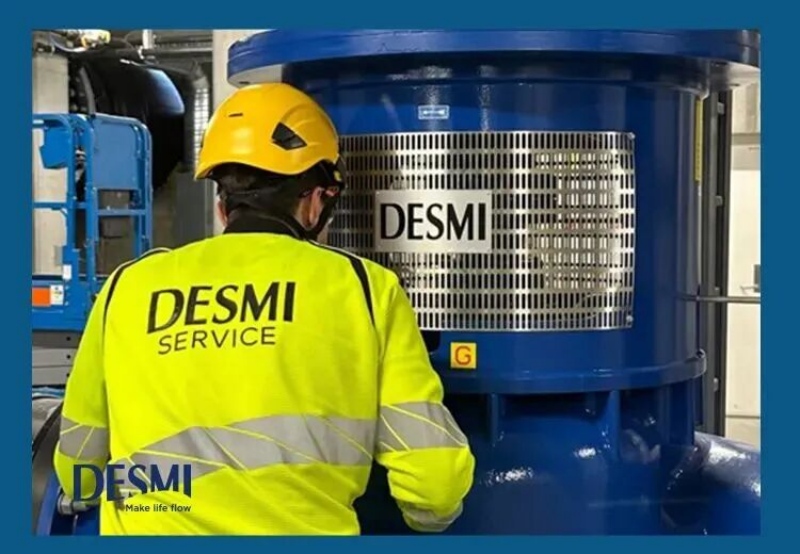
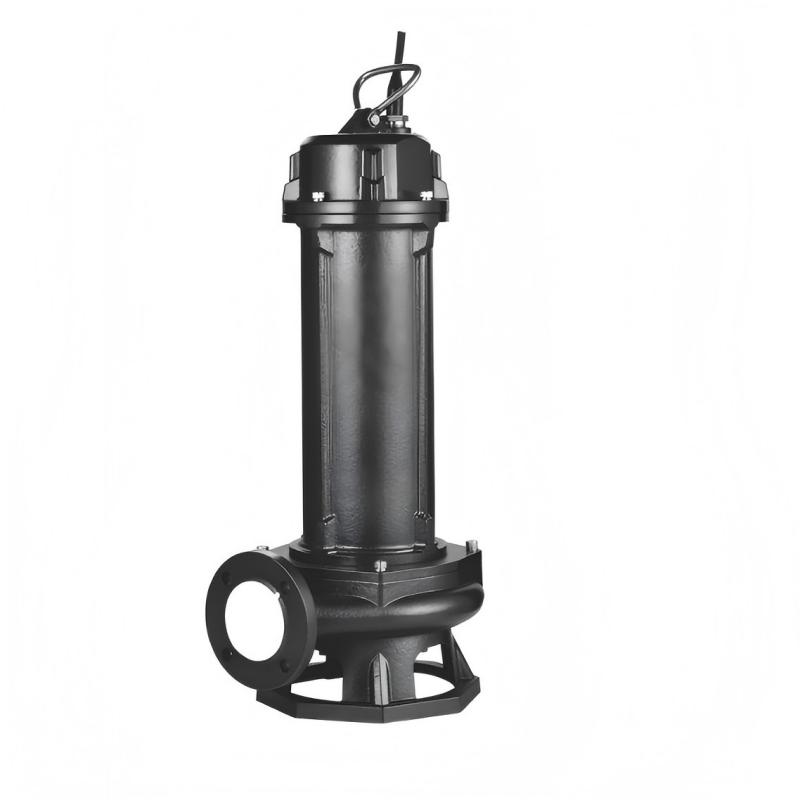
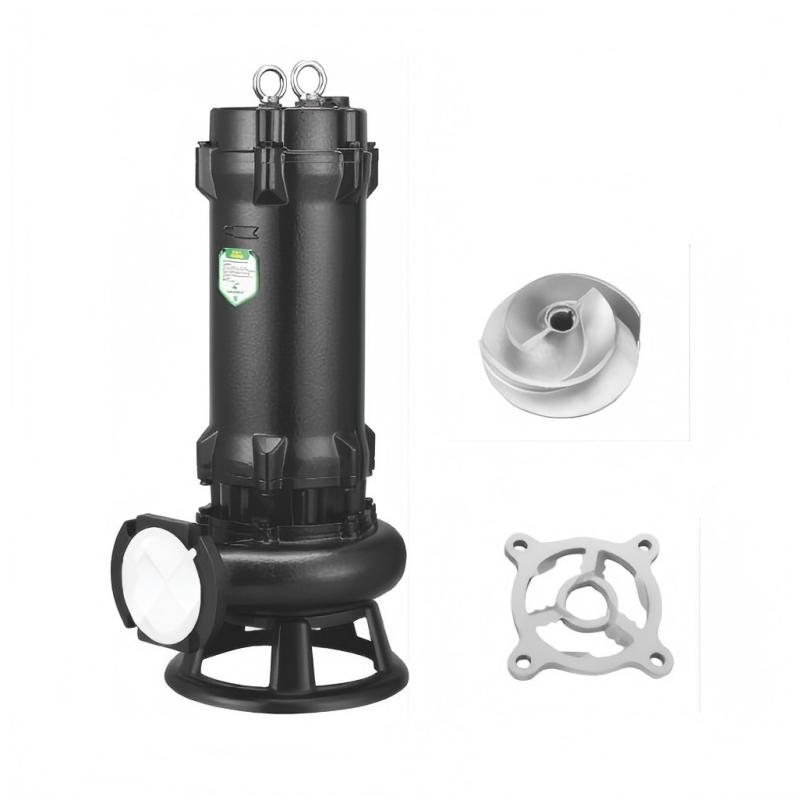
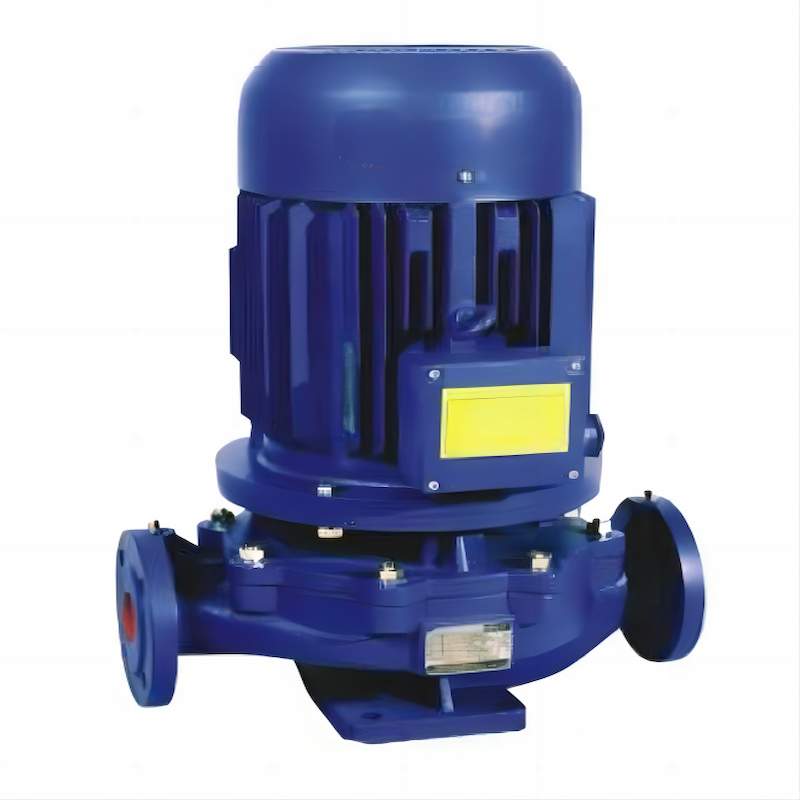
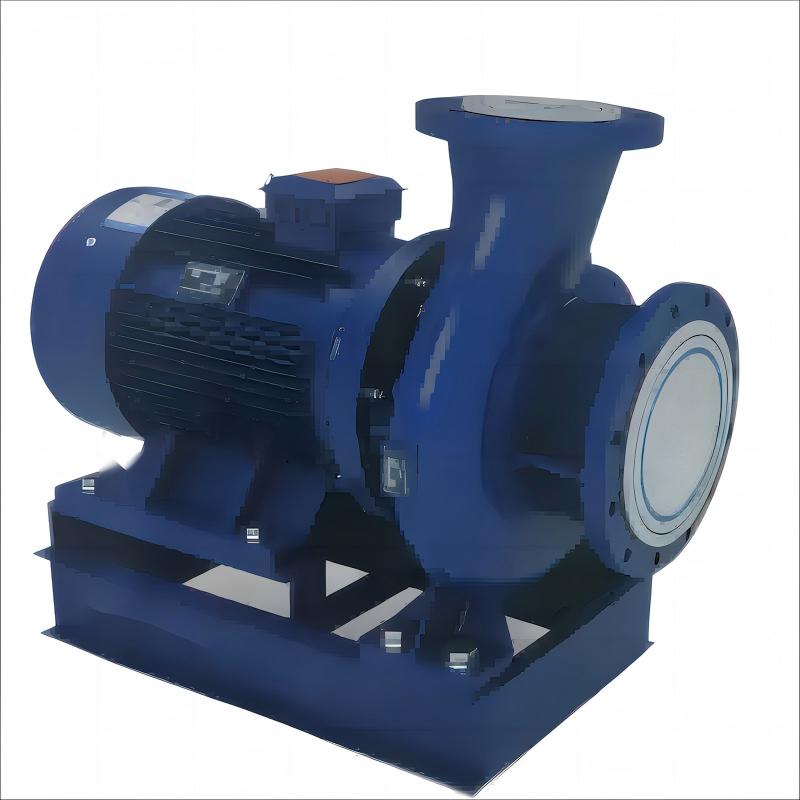
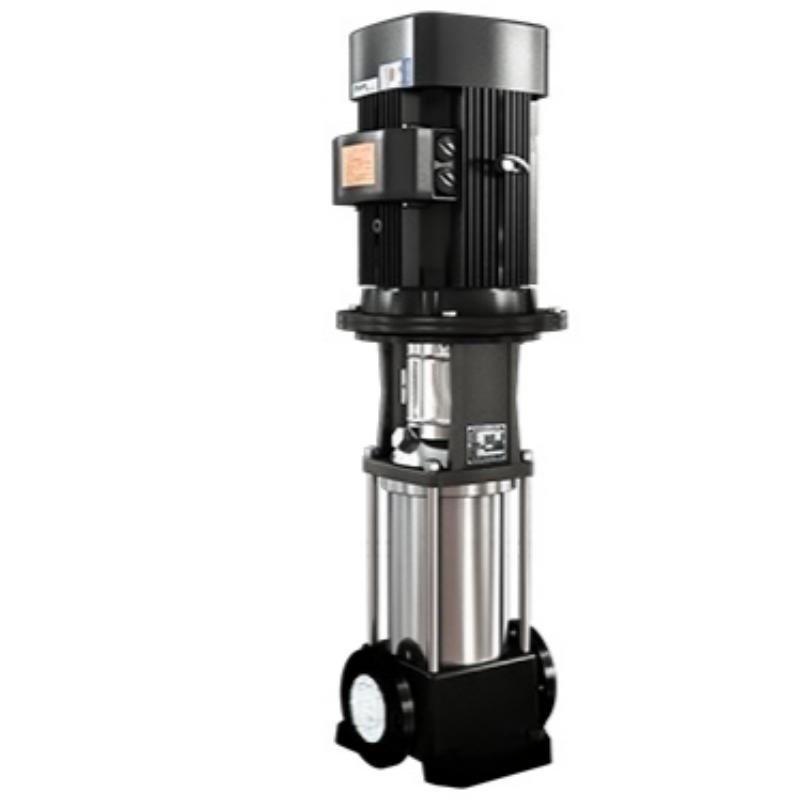
Stepping into the pump house, one sees a row of large centrifugal pumps operating steadily. These are no ordinary industrial pumps; in aquaculture, they perform multiple critical functions—including primary circulation, water intake, filtration, and temperature control—24 hours a day, 365 days a year, with virtually no room for downtime. Fish cannot survive without water; a single unexpected pump failure could lead to oxygen deprivation throughout the entire pond, failure of the filter bed, or complete collapse of the circulation system. Thus, for equipment in this environment, there is only one requirement: it must not only not break down, but also remain fully operational at all times.
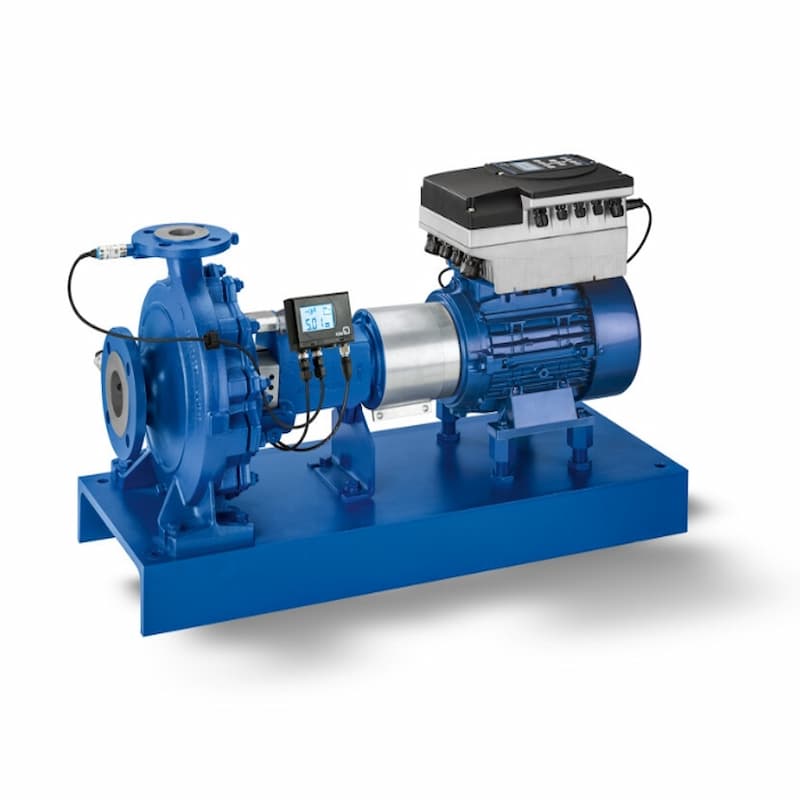
The DESMI centrifugal pump was specifically designed for this application: all water entering the fish pond must first pass through this unit.
High flow rate, low energy consumption —
supporting the continuous operation of the entire circulating water system, which results in a significant difference in electricity costs over extended periods of operation;
Corrosion-resistant and moisture-resistant performance –
engineered to withstand the high humidity, high salinity, and corrosive conditions of aquaculture workshops, with both its structure and materials proven to endure over time;
Stable operation and low vibration —
consistent stable output over multiple consecutive years, reducing unplanned downtime and easing the workload for operators and maintenance personnel;
Mature spare parts and service ecosystem —
ensuring rapid response and no delays to project timelines when maintenance is actually required.
Simply put: whether the fish in the pond can thrive depends on half the effort being put into the pond itself and half in the pump house.
This pump, which has been running continuously and has almost been forgotten.
02 UV System
Even without the use of chemicals, it is possible to effectively control microbial invasion.
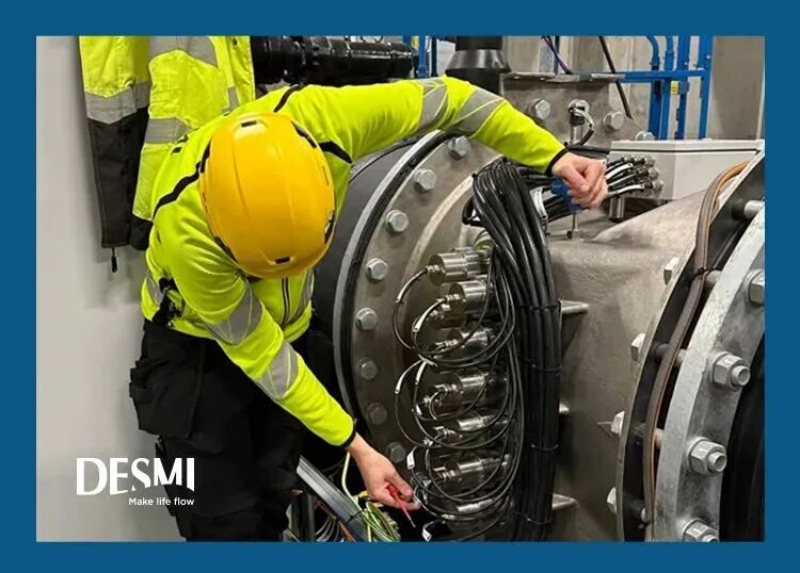
After exiting the pump house, the UV disinfection system comes into play. Its function differs from that of the pump—the pump handles "quantity," while the UV system ensures "quality."
At the water intake, the UV system reduces the number of pathogens entering with the raw water to a sufficiently low level, effectively providing an additional "infection control barrier" for the entire plant.
entrance door".
In the circulating water circuit, this approach is equally effective: it continuously suppresses existing harmful microorganisms within the system without the need to add any chemical agents to the water. For modern aquaculture operations that prioritize sustainability, low pesticide residues, and export readiness, this capability is virtually an essential requirement.
03 Aquaculture production
It's not about being able to survive; it's about being able to thrive stably.
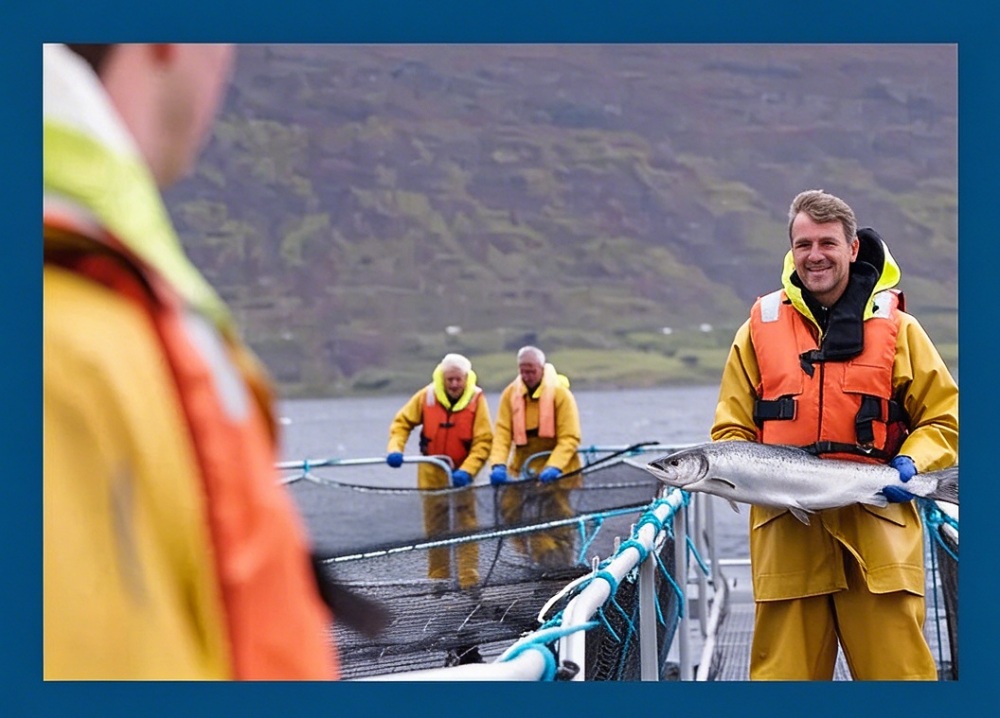
After going through several breeding seasons, you'll understand:
Achieving success once is not difficult; the real challenge is achieving success in every batch, every season, and every year.
Fluctuations in water temperature, dissolved oxygen levels, microbial activity, power outages, or equipment failures—any single failure point could render months of investment futile.
Behind all these fluctuations, the fundamental safeguard lies in the fact that the water is constantly flowing and being continuously treated.
In the field of aquaculture, DESMI's approach is to solidify the "foundation layer": minimizing pump failures, ensuring the system remains reliable, and enabling aquaculture operators to truly focus their efforts on the fish themselves.
Next time you see a pool of crystal-clear water and a school of healthy fish, do not forget—that on the other side of the wall, in the pump house or in the water treatment room, a pump is quietly, steadily, and without interruption supplying water to all of this.
Stable aquaculture has never been confined solely to fish ponds.
It begins behind the scenes: with the water flow, the processing, and the equipment that ensures the water system remains under constant control.



 IPv6 network supported.