Benchmark of 467m head water conveyance: East Pump provides split-case multi-stage centrifugal pumps for Yuxi key water conservancy project
Oct 09, 2026
EAST PUMP
Charming East, Intelligent Water World
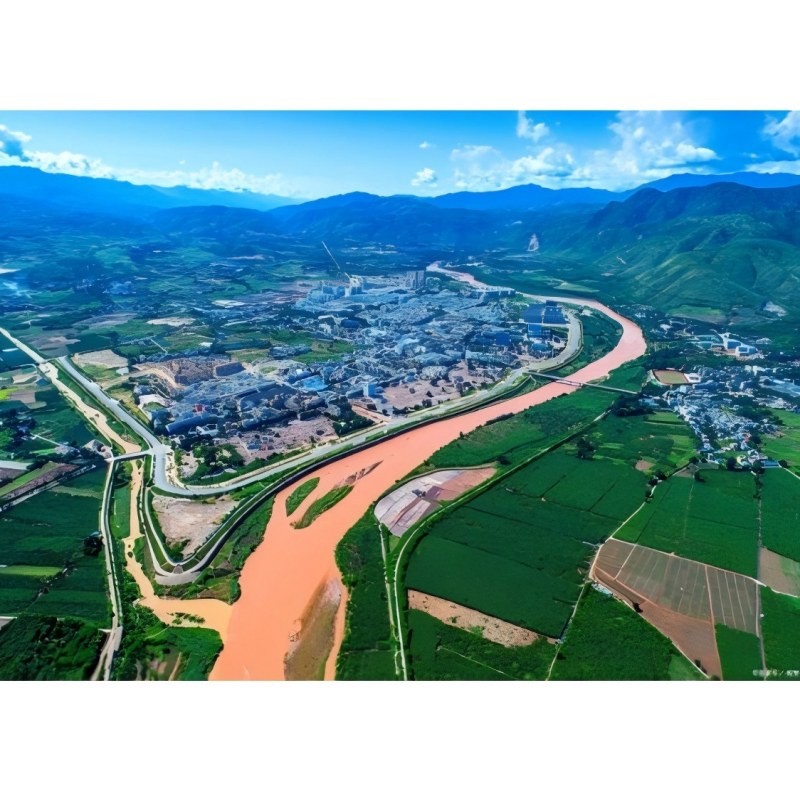
The Qingshuihe Medium-Sized Irrigation District in Yuxi City, Yunnan Province, is a key livelihood water conservancy project classified as Category III, with its primary objective being to achieve pipeline-based precision irrigation and thereby establish a robust safeguard for regional food security. The project covers 132,000 mu of farmland, with two-stage pumping stations achieving a cumulative water lifting head of 616 meters; each individual pump is designed with a head of 522 meters. The ultra-long high-pressure pipelines, however, are highly susceptible to destructive water hammer effects, which impose stringent requirements on the hydraulic performance, wear resistance, and intelligent adaptability of the main pumps. In this context, the Shanghai East Pump DFMSD medium-open multi-stage centrifugal pump has emerged as the core power unit of the pumping stations.
In-depth Analysis of DFMSD Pump, A Robust Product
The DFMSD multi-stage centrifugal pump is a horizontal multi-stage centrifugal pump developed by East Pump by integrating cutting-edge technologies from comparable foreign products with the company's extensive experience in hydraulic equipment research and development. The product features an axial split structure and center-line support at both ends, which provides inherent structural advantages: a wide high-efficiency region, high operational efficiency, outstanding cavitation performance, as well as low vibration, smooth and reliable operation, and an extended service life of the entire unit.
This project utilizes the DFMSD1600-80D×7 model, which is perfectly suited for engineering applications featuring an ultra-high head of 522 m and a large flow rate of 1,500 m³/h. The pump incorporates a dual volute flow path design, which effectively balances radial thrust, ensuring minimal shaft deformation and optimized bearing loads. The pump housing is supported near its centerline, effectively mitigating deformation and misalignment induced by temperature variations. The first-stage impeller features a double-suction design, which fundamentally prevents cavitation damage under high-flow conditions, thereby providing long-term protection for critical components.
The equipment integrates a complete suite of temperature and vibration sensing modules, enabling seamless integration with variable frequency drive cabinets, PLC control systems, and water hammer protection tanks, while also providing integrated, turnkey supplies including valve components and piping systems.
The Four Key Rationale for Selecting Irrigation Districts
1. High-efficiency anti-water-hammer solution: The self-balancing structure ensures stable operation; when combined with variable-frequency soft-start control and a 15 m³ water-hammer tank in coordinated control, this system mitigates the risk of water hammer-induced pipe bursts in long-distance high-pressure pipelines, while reducing the energy consumption of the units during operation.
2. One-stop integrated delivery: pumps, electrical control systems, water hammer protection, and piping accessories are supplied as a unified package, eliminating the challenges associated with equipment compatibility and interface integration across multiple manufacturers;
3. Full compliance with bidding requirements: possession of a complete suite of industry quality certifications; establishment of dedicated after-sales service outlets in Hongta District, Yuxi City; on-site service within 2 hours for malfunctions; and a three-year comprehensive product warranty.
4. Convenient and easy-to-maintain structure: horizontally split-type design, eliminating the need to disassemble inlet and outlet pipelines during maintenance, and compatible with the lifting and hoisting conditions of a 20-ton crane in the pump house.
One-stop implementation service system
Early-stage technical work: actively participate in hydraulic load calculations, concurrently deliver equipment load assessments and foundation design drawings, and collaborate with civil engineering construction planning;
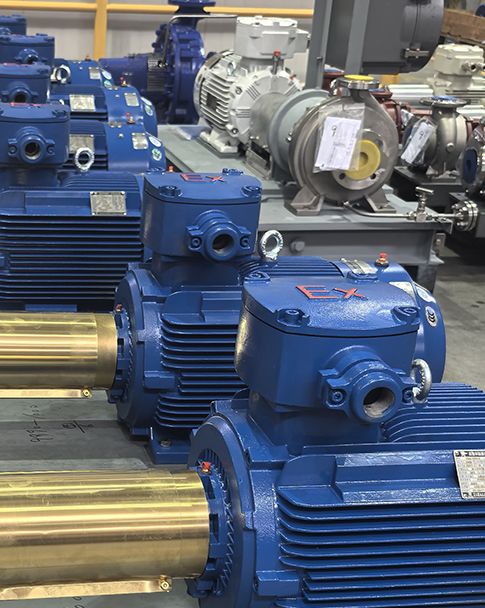
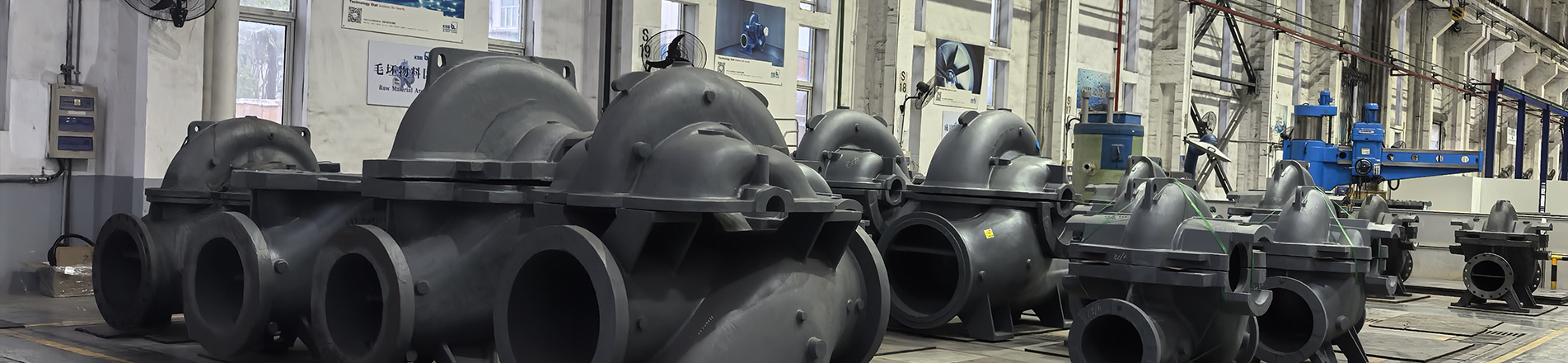
Production Quality Control: The pump body and pump cover, among other components, are manufactured using Nidec machining centers in Japan; comprehensive testing is conducted, including full-process inspections—comprising hydraulic bench testing of the complete unit and non-destructive testing of critical weld seams—ensuring strict compliance with the project's delivery schedule.
On-site implementation: Professional engineers provide on-site guidance for hoisting and alignment, individual unit trial runs, and 72-hour integrated commissioning, while establishing end-to-end control capabilities via the central control dashboard and a mobile remote app.
Long-term operation and maintenance: on-site hands-on equipment training, local service outlets stocked with original equipment manufacturer (OEM) spare parts, and lifelong technical support.
Pump cover machining
Pump body machining
On-site control system
Domestic Pump Industry Deeply Engaged in Water Conservancy
Over the years, East Pump has dedicated itself to serving large-scale irrigation districts and long-distance water diversion projects. The Yuxi Qingshui River Project stands as a prime demonstration of how domestically produced high-end pump equipment can replace imported solutions, thereby supporting critical water conservancy initiatives for public welfare. Once fully operational, the complete system will interconnect 33 reservoirs across the region, enabling balanced allocation of irrigation water resources and facilitating the implementation of high-efficiency, water-saving agriculture. Moving forward, East Pump will continuously iterate its energy-saving, wear-resistant, and intelligent integrated pump sets, leveraging comprehensive equipment solutions coupled with full-lifecycle services to bolster the modernization of water conservancy across the country—ensuring that fresh water continues to nourish vast expanses of farmland for generations to come.
Read More






 IPv6 network supported.