


Understand vibration measurement of centrifugal pumps, common faults, and their causes.
Preface
Pumping systems are critical equipment in industrial processes, with various types of pumps designed to meet diverse production requirements. Among these, centrifugal pumps are the most widely used industrial pumps. Classified as power pumps, they can be further subdivided into axial-flow and radial-flow pumps, featuring multiple characteristics such as single-stage or multi-stage configurations, vertical or horizontal arrangements, and open-, semi-open-, or closed-type impellers.
A centrifugal pump is a rotating hydraulic machine that converts the mechanical energy of its impeller into kinetic or pressure energy by transferring it to an incompressible fluid. The fluid enters the center of the impeller via the suction pipe; the impeller, equipped with a series of blades, utilizes centrifugal force to propel the fluid toward the discharge pipe. During this process, the fluid passes through the pump's volute or casing, and in multi-stage pumps, through additional impellers.
Main components of a centrifugal pump
The main components of a centrifugal pump include:
1. Inlet pipe
2. Impeller
3. Shaft
4. Housing or volute
5. Bearing
6. Bearing box
7. Mechanical seal
8. Discharge pipe
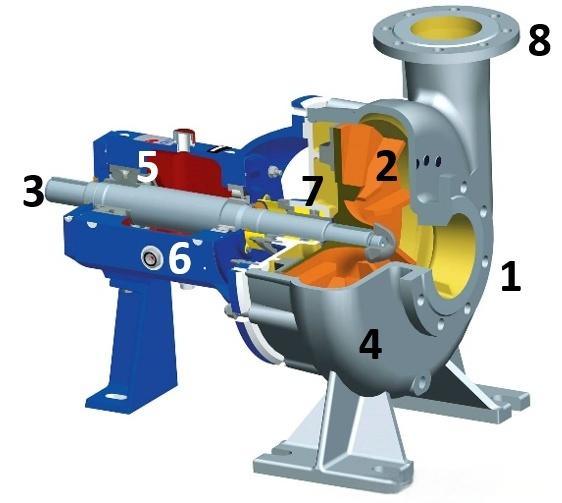
Figure 1: Main components of the centrifugal pump
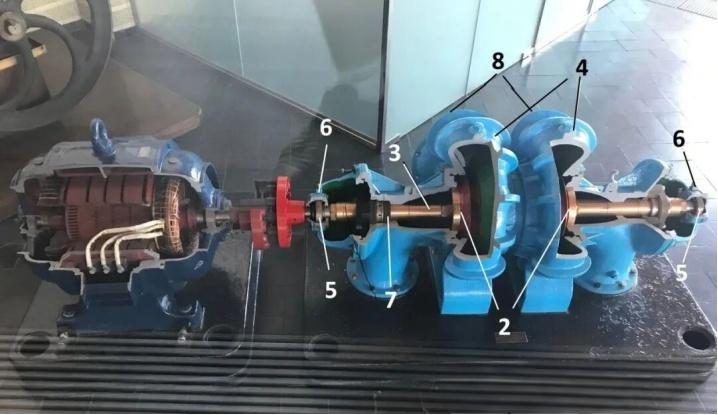
Figure 2: Main Components of the Centrifugal Pump
Vibration Measurement Point
In a centrifugal pump, the vibration measurement point must align with the shaft centerline on the bearing housing (perpendicular to the shaft centerline). Ensure the sensor is securely mounted on a robust component and measure vibrations in all three directions—horizontal (H), vertical (V), and axial (A)—to obtain accurate vibration data.
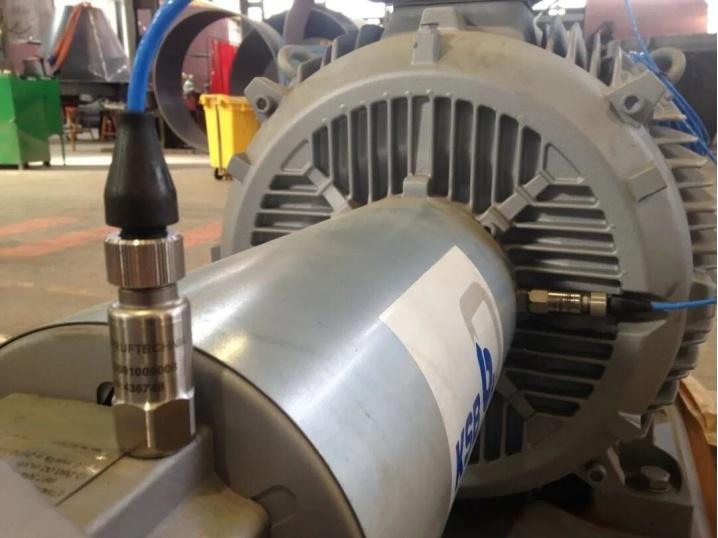
Figure 3: Vibration measurement point
Safety is the paramount consideration when selecting vibration monitoring points. On the coupling side, axial measurements should not be taken unless adequate safety measures are in place. Certain pump components—such as mechanical seals and associated piping—are typically hot; therefore, direct contact with these parts must be avoided. Additionally, measurement instrument cables should not come into contact with hot pipelines to prevent fire hazards.
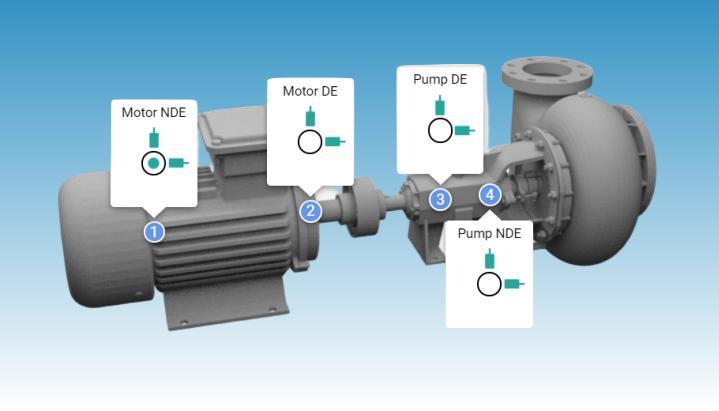
Figure 4: Vibration measurement point
For small pumps, some analysts measure the condition of the pump bearings at a single measurement point.
Typical failure modes of centrifugal pumps
1. Imbalance
In centrifugal pumps, imbalance is typically caused by one of the following reasons:
1) Uneven impeller wear (e.g., cavitation) or blade fracture;
2) Poor coupling condition with wear or deformation.
3) Defective motor rotor winding;
4) Errors in the workshop balancing procedure;
5) Use of inappropriate standards or improper balancing masses
When imbalance is detected in a centrifugal pump, the following measures are recommended:
1) Inspect the wear condition of the impeller and analyze its cause;
2) Examine the vibration of the coupling and its overall condition.
3) Inspect the workshop's balancing procedures and their quality grades
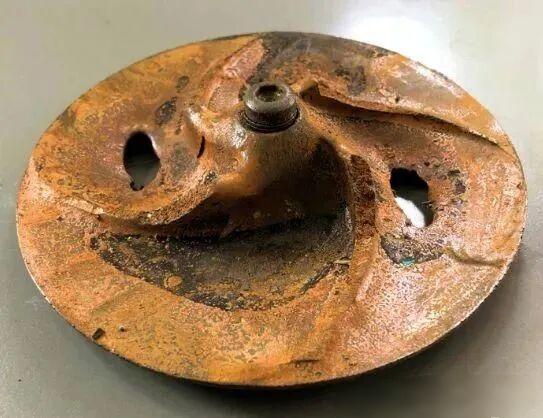
Figure 5: Worn pump impeller
2. Not centered
In centrifugal pumps, misalignment is typically caused by one of the following reasons:
1) Improper installation or incorrect alignment procedure;
2) Pipeline stress;
3) Soft feet;
4) Thermal expansion of the pump itself or its pipelines
5) Lack of employee training; 6) Inappropriate or uncalibrated measuring instruments
When misalignment of the centrifugal pump is detected, the following measures are recommended:
1) Verify the alignment procedures and application standards used;
2) Check for pipeline stresses and flexible feet in pumps and motors.
3) If safety conditions permit, measure the alignment status immediately after the machine stops or when the engine is hot.
4) Record the alignment displacement (i.e., thermal expansion) during machine heating/temperature rise.
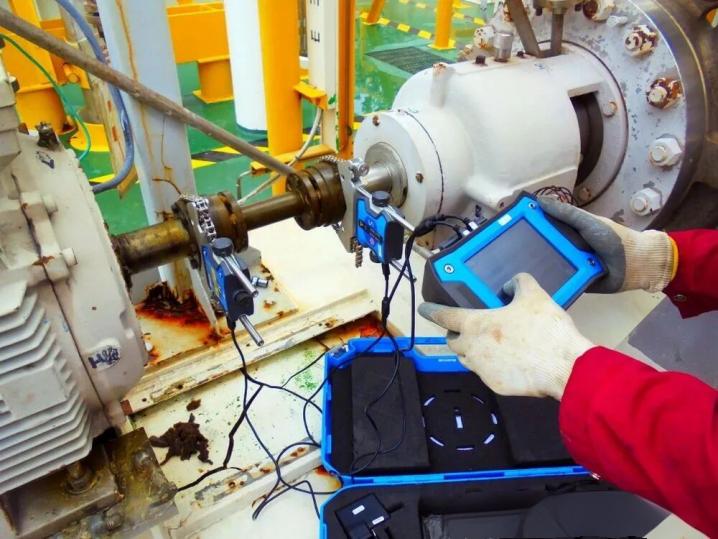
Figure 6: Centrifugal Pump Centering Inspection
3. Bearing issue
In centrifugal pumps, bearing issues are typically caused by one of the following reasons:
1) Improper installation;
2) Inadequate lubrication;
3) Contamination of grease or lubricant with particulate matter;
4) Excessive temperature
5) Not neutralizing/and/or unbalanced;
6) Improper bearing selection
When bearing issues are detected in a centrifugal pump, the following measures are recommended:
1) Replace the bearing and conduct a root cause analysis;
2) Inspect the condition of the bearing lubricating grease.
3) Inspect the bearing installation process;
4) Evaluate the bearing lubrication method.
5) Confirm the alignment and balance of the pump;
6) Check whether the operating conditions are suitable for bearing use.
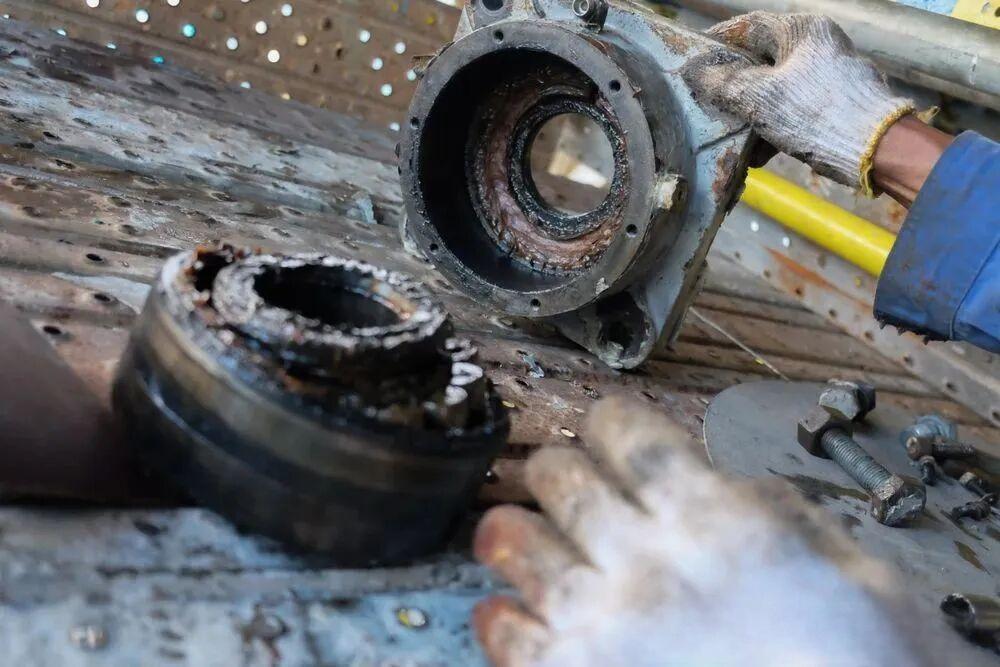
Figure 7: Removal of the defective bearing
4. Leakage
In most cases, leakage in centrifugal pumps occurs at the mechanical seal. The causes of seal damage may include:
1) High vibration caused by misalignment or imbalance;
2) Improper installation
3) Sealing overheating during no-load or dry operation; 4) Improper sealing selection
When sealing issues are detected in a centrifugal pump, the following measures are recommended:
1) Check the alignment and balance of the pump;
2) Ensure proper installation of the mechanical seal.
3) Avoid operating the pump in a dry state;
4) Verify that the operating conditions meet the requirements of the mechanical seal.
5. Rotational loosening
In centrifugal pumps, rotational loosening is typically caused by one of the following reasons:
1) Excessive bearing wear;
2) Improper installation;
3) Inappropriate bearing selection;
4) Poor fit of the bearing housing or excessive manufacturing tolerances
When a rotational clearance is detected in the centrifugal pump, the following measures are recommended:
1) Inspect the condition of the bearing;
2) Check for wear or deformation in the bearing housing.
3) Check whether the selection and installation of bearings comply with specifications.
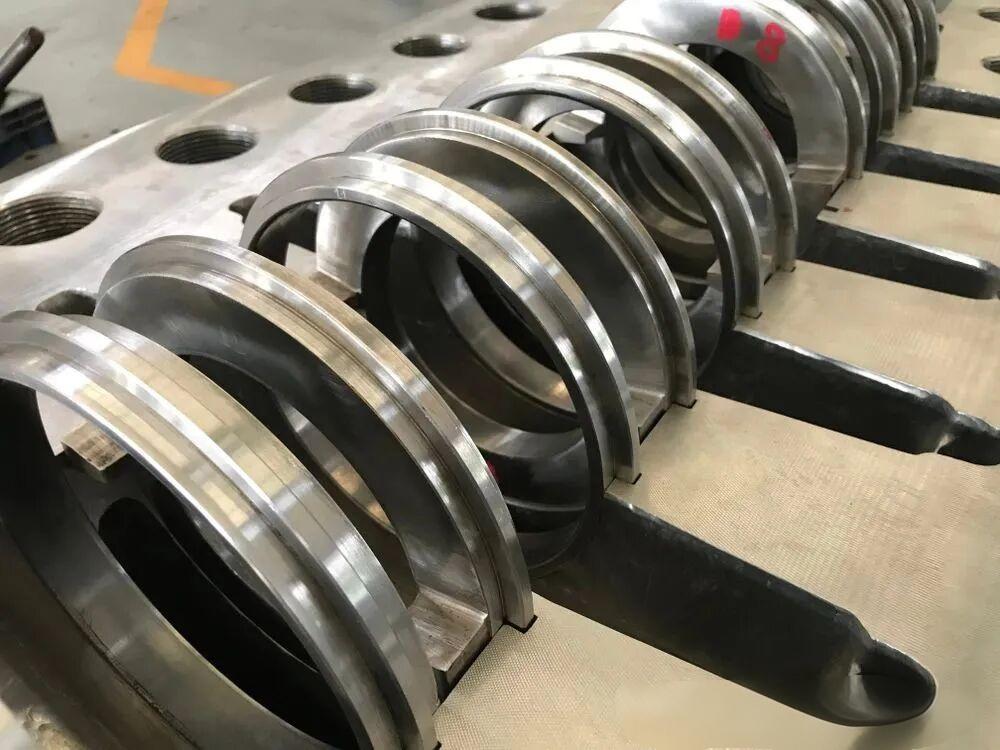
Figure 8: Inspect the clearance (wear condition) between multi-stage pump moving/standing components
6. Structural Issues
In centrifugal pumps, structural loosening is typically caused by one of the following reasons:
1) Poor foundation;
2) Deformation or distortion of the base
3) Wear of pump support or silencer block;
4) Loosening bolts causing soft feet
When structural loosening of the centrifugal pump is detected, the following measures are recommended:
1) Strengthen the structure of the centrifugal pump support;
2) Repair the foundation/base of the centrifugal pump
3) Replace the supports, thermal insulation materials, or sound-absorbing blocks;
4) Use a torque wrench to tighten the bolts of the centrifugal pump.
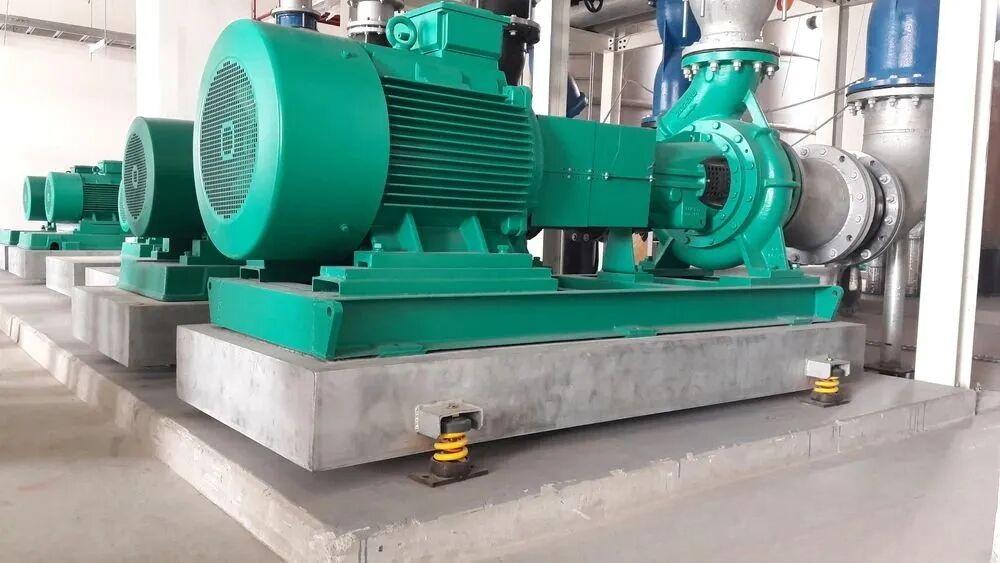
Figure 9: Optimal foundation of the centrifugal pump
7. Fluid dynamics problems
Hydraulic issues in centrifugal pumps are diverse and typically arise from one of the following causes:
1) Cavitation;
2) Recirculation (i.e., internal reflux);
3) Overload;
4) Unstable inlet flow pattern;
5) Pump operation exceeding design specifications
When hydraulic issues are detected in a centrifugal pump, the following measures are recommended:
1) Check the suction conditions of the centrifugal pump;
2) Inspect the impeller and pump housing for any damage.
3) Verify whether the operating conditions (flow rate and pressure) meet the design requirements of the centrifugal pump.
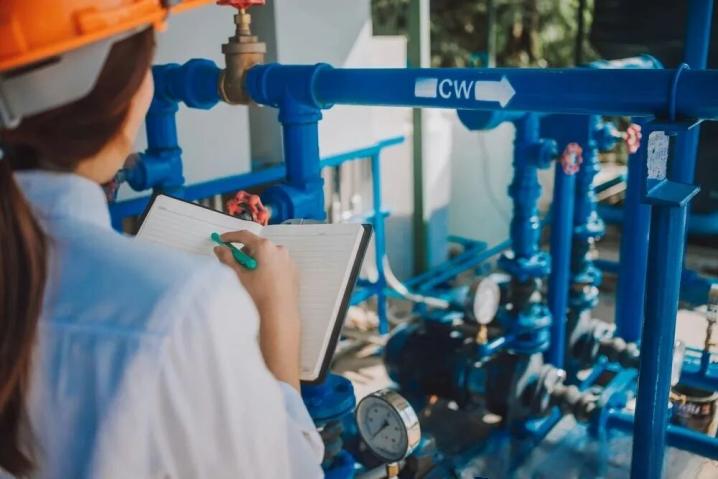
Figure 10: Some hydraulic issues in centrifugal pumps can be identified by checking operating conditions, performing visual inspections, and reading pressure gauge readings.
8. Other prediction techniques
The inspection of centrifugal pumps must be comprehensive, covering dynamic, hot-state, and operational behaviors. The following techniques are equally applicable to centrifugal pumps:
|
Prediction Technology |
Detectable Faults |
|
Visual Inspection |
Leakage, cleanliness, abnormal noise, loose parts, instrument readings. Operational variables such as performance and efficiency (pressure, flow rate, electric current, temperature) can also be included. |
|
Thermal Imaging Technology |
Excessive heat (mechanical seal or bearing) |
|
Ultrasonic Testing |
Bearing problems |
|
Oil Analysis and Tribology Analysis |
Degradation of lubricants (grease), water content, contaminants, bearing wear |



 IPv6 network supported.